



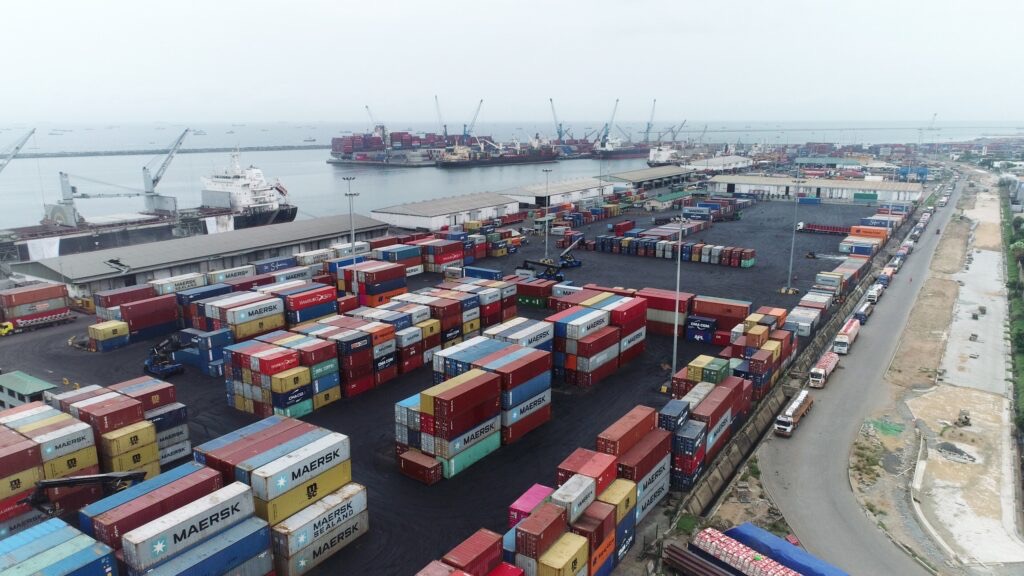
The Ghana Ports and Harbours Authority (GPHA) has activated a raft of emergency operational measures to address severe landside congestion at the Port of Tema, warning that the bottlenecks threaten to disrupt the flow of international trade through Ghana’s premier maritime gateway.
The Authority announced the interventions on Thursday, attributing the growing gridlock to a sharp spike in import volumes, a parallel surge in exports of empty containers, and worsening road traffic congestion within the port enclave. The congestion has resulted in prolonged dwell times for containers, delays in vessel turnaround, and mounting pressure on terminal storage capacity.
Regional Supply Chain Pressures
GPHA noted that the current challenges are not unique to Tema, with several ports across the West African sub-region—including Lomé, Abidjan, and Lagos—experiencing similar logistics strain. The regional nature of the congestion has been exacerbated by global shipping disruptions, including rerouted vessels due to geopolitical tensions in the Red Sea and the lingering effects of post-pandemic supply chain realignments.
Industry analysts say the surge in imports into Ghana reflects a combination of factors: the country’s economic recovery, seasonal stocking ahead of the upcoming election period, and businesses hedging against further currency depreciation by accelerating orders.
The congestion has also been compounded by a shortage of trucking capacity at the port’s hinterland, as road infrastructure around the enclave struggles to cope with the volume of haulage traffic.
Key Operational Interventions
In response, the Authority said it has placed all relevant stakeholders—including shipping lines, terminal operators, and customs officials—on heightened operational alert. The measures, being implemented in close collaboration with the terminal operators, include:
· Accelerated evacuation of empty containers through increased vessel calls to free up space for incoming laden cargo.
· Strengthened container transfer operations between the port terminals and off-dock facilities.
· Deployment of additional trucks to boost the haulage capacity for moving cargo out of the port.
· Improved handling and storage protocols for empty containers to optimise yard space.
· Enhanced yard and traffic management systems, leveraging digital tracking to reduce congestion within the port’s internal road network.
GPHA stressed that these targeted interventions are designed to reduce dwell times, improve operational efficiency, and ensure the uninterrupted flow of goods essential for both domestic consumption and re-export to landlocked neighbouring countries such as Burkina Faso, Mali, and Niger.
Appeal to Importers and Clearing Agents
The Authority has also issued a direct appeal to importers, clearing agents, and cargo owners to expedite the clearance and evacuation of their consignments. GPHA emphasised that prompt removal of cargo is critical to freeing up terminal space and preventing further backlogs.
“Prompt cargo evacuation remains essential to easing pressure on terminal space and supporting the continuous flow of trade through the port,” the Authority stated, adding that delays in clearing goods not only add to congestion but also incur costly demurrage and storage charges for traders.
Historical Context and Capacity Constraints
Tema Port, which handles approximately 80 percent of Ghana’s maritime trade, underwent a major expansion with the completion of the $1.5 billion Terminal 3 project by Meridian Port Services (MPS) in 2021. The project boosted the port’s container handling capacity from 1 million to over 3 million TEUs (twenty-foot equivalent units) annually.
However, the current crisis underscores that physical capacity alone is insufficient without efficient hinterland logistics. This is not the first time Tema has faced such gridlock; a similar container crisis in 2021 saw dwell times stretch to several weeks, forcing the government to intervene with emergency trucking task forces. The latest congestion echoes those earlier struggles, raising questions about the resilience of the port’s supply chain ecosystem.
Economic Implications
Industry stakeholders, including the Ghana Institute of Freight Forwarders (GIFF), have expressed concern over the cascading impact of the congestion. Extended dwell times translate into higher logistics costs, which are ultimately passed on to consumers, potentially fuelling inflationary pressures at a time when the economy is still stabilising.
Moreover, shipping lines operating on the West Africa trade route have been known to impose “congestion surcharges” during such periods, further inflating the cost of imports. Manufacturers reliant on imported raw materials face production delays, while exporters of agricultural commodities risk missing shipping windows due to backlogs.
GPHA Assures Stakeholders
GPHA has assured the trading community that it is closely monitoring the situation and will continue to implement the necessary interventions to restore normal operating conditions as quickly as possible. The Authority expressed appreciation for the patience and cooperation of importers, agents, and the general public, reiterating its commitment to maintaining a safe, efficient, and competitive port system.
As West Africa’s maritime logistics face mounting pressure, GPHA’s ability to clear the current backlog will be closely watched. A failure to ease congestion swiftly could undermine Ghana’s position as the preferred gateway for regional trade and erode investor confidence in the country’s trade infrastructure.
For now, the Authority remains optimistic that the combination of operational adjustments and stakeholder collaboration will reverse the trend and restore the smooth flow of commerce through the Port of Tema.


