


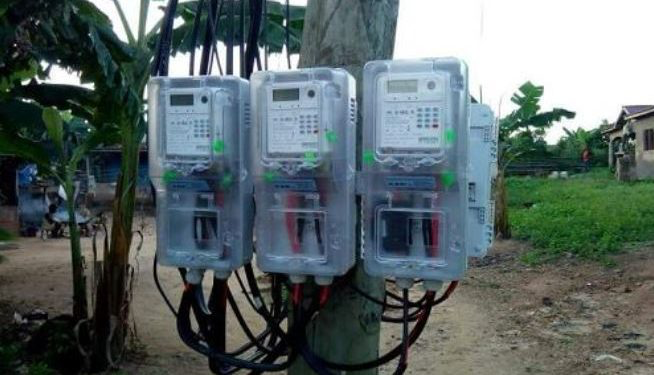
Electricity consumers who suspect they are being overbilled now have a digital tool at their disposal to independently verify their bills, the Public Utilities Regulatory Commission (PURC) has said, urging customers to use its Tariff Reckoner software to challenge questionable charges from the Electricity Company of Ghana (ECG).
The Tariff Reckoner, available on the PURC’s website and as a mobile application, allows consumers to calculate their expected electricity charges based on their monthly consumption in kilowatt-hours and compare the result with the bill issued by ECG . The tool incorporates the commission’s gazetted tariffs and supports computations for both electricity and water, including net metering tariffs .
Speaking on the Citi Breakfast Show on Wednesday, October 21, PURC Executive Secretary Dr. Shafic Suleman said the software was developed to empower consumers to check their bills rather than rely solely on the amounts charged by the utility.
“We have what we call the Tariff Reckoner. It is a software that we developed for consumers and it is on our website and we even educate consumers on how to access it,” Dr. Suleman said. “When you receive your bill, you can input it into the software and it will give you a bill to confirm with what you are paying and if it varies, then you can raise a complaint with us and we will come and investigate on your behalf.”
He added that consumers who remain in doubt after using the tool can file a formal complaint with the commission, which would then take them through the process to ensure they pay only for what they consume.
The push for independent bill verification comes amid persistent complaints from electricity consumers across the country over estimated billing, unexplained adjustments and poor customer service from ECG. In June, residents of Sogakope in the Volta Region stormed the district ECG office to protest what they described as persistent overbilling, with some claiming bills that previously ranged between GH¢150 and GH¢300 had jumped to between GH¢2,000 and GH¢4,000 . Similar concerns have been raised in Kadjebi in the Oti Region, where residents petitioned the PURC over estimated bills and continued charges even after disconnection .
The tariff environment has also been fluid. The PURC announced a 3.49 per cent increase in electricity tariffs for the third quarter of 2026, effective July 1, citing a 0.2 per cent depreciation of the cedi against the dollar and a 1.58 per cent increase in natural gas costs . The adjustment followed a 4.81 per cent reduction in the second quarter, with the Minority in Parliament’s Energy Committee criticising the hike as a “naked political decision” lacking economic justification .
The regulator has faced questions over consumer education and complaint resolution. During a working visit to its Volta Regional Office in September, Dr. Suleman stressed that effective public education is essential to ensuring consumers understand their rights and know how to seek redress, noting that low complaint volumes should not be mistaken for an absence of challenges .
With the Tariff Reckoner now in the public domain, the PURC says consumers have a practical first line of defence against incorrect billing—and a documented basis for escalating disputes to the regulator for investigation.