

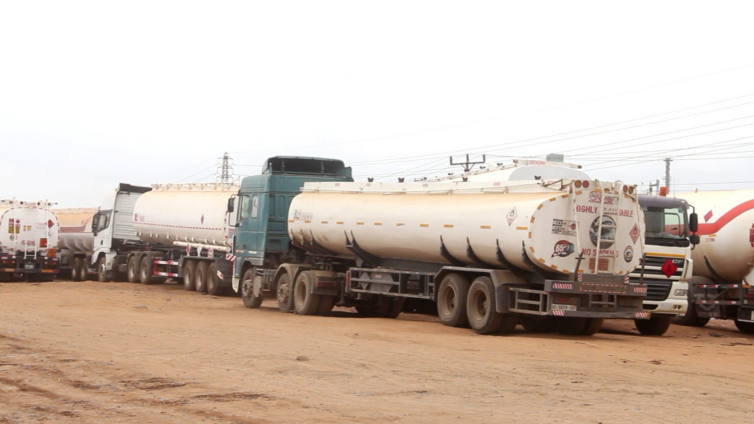
Major fuel importers in Ghana have placed domestic demand ahead of export opportunities to neighbouring countries, the Ghana Chamber of Bulk Oil Distributors (CBOD) has said, as the industry moves to reassure consumers of stable supplies through the end of the year.
Speaking on Joy News’ PM Express Business Edition on Thursday, CBOD Chief Executive Officer Dr. Patrick Kwaku Ofori said the industry’s leading players have demonstrated a clear commitment to the local market amid a tightening regional supply environment.
“Almost all the big guys who were leading on the various news that were published consistently have served, and they have competed fairly and served the Ghanaian public before even thinking about exports into our neighbouring countries,” Dr. Ofori said.
His comments come against the backdrop of broader supply challenges in West Africa. State-owned Bulk Oil Storage and Transportation (BOST) recently disclosed that it had reduced fuel shipments to Burkina Faso and Mali since August in order to meet rising domestic consumption, particularly for diesel. While BOST operates independently of the CBOD’s private-sector membership, the trend of prioritising local demand appears consistent across the downstream sector.
Supply Locked In Through December
Dr. Ofori offered a concrete timeline for supply stability, assuring consumers and oil marketing companies (OMCs) that cargo arrangements are secured through the end of the year.
“We can confidently say that by the end, up till now, till December, we’re going to have all the cargo locked in,” he stated, adding that “supply will never be an issue.” He noted that these deliveries would prevent the fuel queues experienced in previous crises from materialising in Ghana.
The assurance aligns with recent data from the National Petroleum Authority (NPA), which indicated in September that the country had at least six weeks of fuel cover, with significant volumes also in transit on the high seas.
Self-Regulation and Ethical Practices
Beyond logistics, Dr. Ofori attributed the sector’s stability to internal governance. He emphasised that CBOD members adhere to ethical practices and self-regulation to prevent the exploitation of consumers during periods of market stress.
“We even self-regulate ourselves and ensure that nobody takes advantage of the consuming public,” he said. He explained that members have been transparent with the regulator and have avoided opportunistic price hikes, recognising that recovering costs on current stock is necessary to finance future imports and meet obligations to banks and trading partners.
Background: A Year of Global Pressure
The CBOD’s reassurances follow a turbulent year for Ghana’s downstream petroleum sector. Throughout 2026, the industry has been buffeted by geopolitical tensions, including conflicts in Eastern Europe and the Middle East, which drove Brent crude prices past the $100-per-barrel mark at points and significantly increased freight and insurance costs.
These global shocks put immense pressure on the cedi and on the pricing of petroleum products. The CBOD has consistently advocated for a balanced approach, warning against monopolistic tendencies in the refining sector while pushing for policies that protect consumers without jeopardising the financial viability of importers. As the year draws to a close, the Chamber’s latest message seeks to project stability, assuring Ghanaians that the pumps will stay flowing through the festive season.