



The Public Accounts Committee (PAC) of Parliament has directed the Community Water and Sanitation Agency (CWSA) to recover GH¢2.5 million owed by more than 295 public institutions within 30 days, with the committee taking particular interest in over GH¢300,000 owed by 72 police stations and posts across the country.
The directive was issued on Wednesday, 7 October 2026, during a sitting of the PAC, where concerns were raised over the agency’s failure to recover a larger portion of outstanding debts. CWSA officials told the Committee that its customers owed a total of GH¢15,349,706, accumulated over approximately nine years. The agency said it had recovered only GH¢1,158,093 of that amount, a recovery rate the Committee described as inadequate.
30-Day Ultimatum
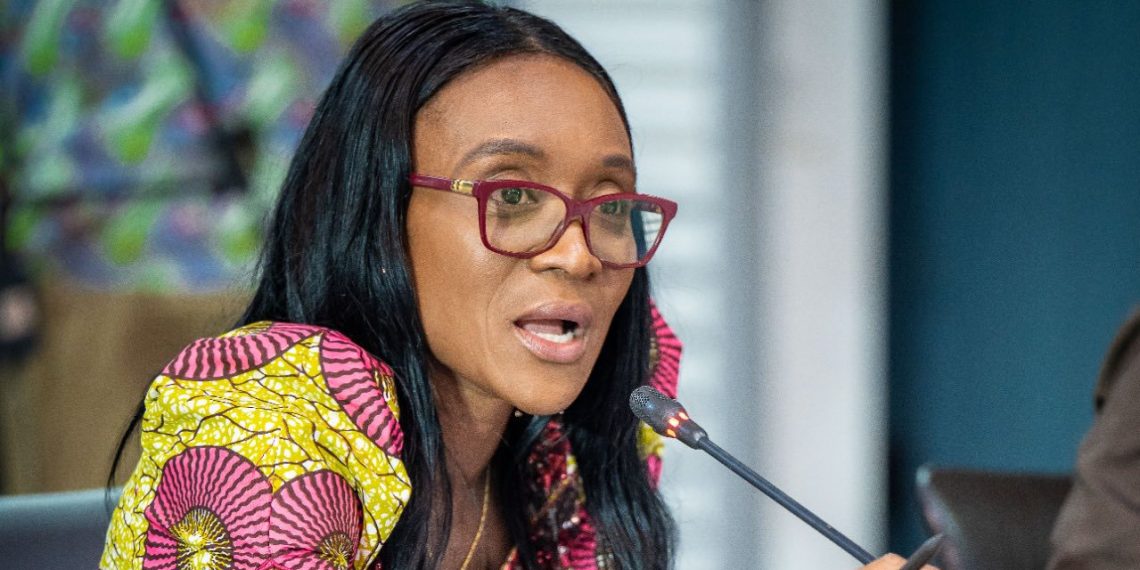
PAC Chairperson Abena Osei-Asare said the directive was non-negotiable and instructed the agency to pursue the identified institutional debtors. “We give you 30 days to collect the GH¢2.5 million. This is non-negotiable. 30 days from today, collect the GH¢2.5 million from these institutions,” she said.
The indebted institutions include Metropolitan, Municipal and District Assemblies (MMDAs), the Ghana Prisons Service, the Ghana Police Service, the Ghana Armed Forces, and the National Ambulance Service.
Police Stations Singled Out
Figures presented to the Committee showed that 72 Ghana Police Service institutions owed GH¢235,898, while 60 hospitals owed GH¢472,970.29. Fifty-six senior high schools owed GH¢978,280.25, while 47 other schools owed about GH¢186,000.
Addressing CWSA management, Osei-Asare expressed frustration that the agency had not pursued the appropriate authorities to recover the police debt. She said the amount, although significant to the agency, could be resolved through direct engagement with the leadership of the Ghana Police Service.
“You think the IGP would be happy that 72 police posts or police stations owe just GH¢300,000? If you go to him today, he will write a cheque for you,” she said. “GH¢300,000 for 72 posts and this is how you want to embarrass the police? That 72 of their outfits owe GH¢300,000 to Community Water. You better go to the IGP and collect the money”.
She directed CWSA management to engage the Inspector-General of Police to facilitate the recovery of the outstanding amount.
Agency Cites Recovery Challenges
CWSA officials told the Committee they had issued demand notices, undertaken revenue mobilisation exercises, installed prepaid meters, and introduced electronic payment systems to improve collections. They also explained that part of the outstanding debt had been inherited from community-managed water systems and had accumulated over several years, with some of the inherited debts remaining unvalidated.
The Committee challenged that explanation, questioning why unvalidated debt figures had been presented to the Auditor-General for audit. The PAC also directed the sector Minister to use her office to pursue debts owed by larger public institutions, and said the GH¢15 million outstanding debt should not appear in the 2026 audit report, signalling its expectation that CWSA would make substantial progress in recovering the money.
Broader Financial Oversight
The directive is part of the Committee’s broader efforts to ensure that public institutions settle outstanding obligations and that state agencies recover monies owed to them.
Osei-Asare, a chartered accountant and economist who served as Deputy Minister of Finance from 2017 until her promotion to Minister of State at the Finance Ministry in 2024, has repeatedly emphasised that accountability in public service begins long before officials appear before oversight committees. In July 2026, she disclosed that the Auditor-General had recovered nearly GH¢12 billion in disallowed expenditure in 2024.
The PAC’s latest action underscores growing concern over the financial sustainability of state agencies, particularly those providing essential services to rural communities and small towns. The Committee warned that prolonged delays in settling such arrears could place pressure on CWSA’s financial operations, particularly if public institutions continue to accumulate unpaid bills.


