



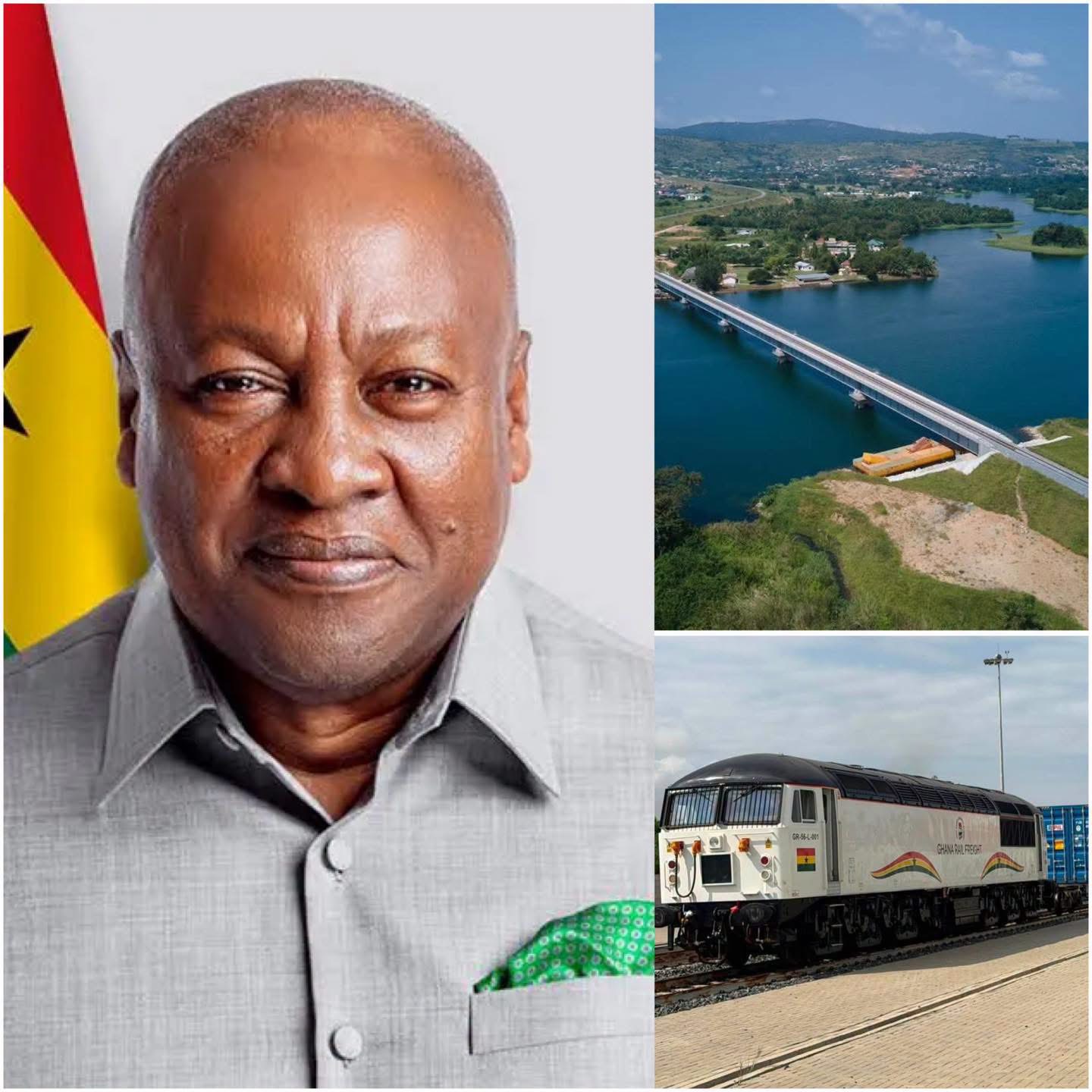
The Ghana Railway Development Authority (GRDA) has formally opened the Tema–Mpakadan Railway Line to qualified private sector operators under a new Open Access Model, in a move expected to inject competition into Ghana’s rail freight sector and unlock private investment in cargo transportation.
The 97.7-kilometre standard gauge line links the Port of Tema to the inland port at Mpakadan. Under the Open Access Model, the GRDA will centrally manage train traffic and set track access charges and operational guidelines, while multiple licensed public and private operators will be allowed to run freight and cargo services on the line.
The Authority has emphasised that no operator, including the state-owned Ghana Railway Company Limited (GRCL), has exclusive rights over railway operations. According to the GRDA, 17 entities have so far submitted applications for operating licences. The GRCL is not among them. The Authority noted that the GRCL neither possesses the requisite rolling stock for standard gauge operations nor has trained staff for the line.
The Tema–Mpakadan line was commissioned in November 2024. It was constructed at a cost of US$447 million through a credit facility from the India Export-Import Bank and executed by Afcons Infrastructure. The project forms part of the Tema–Ouagadougou corridor, connecting Tema Port to Buipe via the Volta Lake and extending to Burkina Faso. It includes newly built stations at Adome, Kpone, Shai Hills, Afienya, Ashaiman, Tema Industrial Area and Tema Port, as well as a 300-metre rail bridge across the Volta River near Senchi.
Despite its commissioning, the line had remained largely inactive for months, with operations hampered by theft, vandalism and the absence of private sector involvement. Dr Frederick Appoh, acting Chief Executive Officer of the GRDA, had previously noted that the state-run system was inefficient and unable to generate enough revenue to maintain operations.
“In most parts of the world, the state owns the railway infrastructure while private companies run the trains,” he said. The Open Access Model is expected to address those operational hurdles.
To prepare for freight operations, the GRDA has procured two heavy freight Class 56 locomotives and 20 container wagons at a cost of approximately GH₵37.6 million (US$3.18 million). The Authority has also deployed essential lifting equipment on-site, including reach stackers and heavy-duty forklifts, with plans to procure two gantry cranes.
A commercial off-taker agreement with MES Logistics is expected to generate approximately US$3.5 million annually, recovering the initial rolling stock investment within two years, according to the GRDA.
The initiative aligns with President John Dramani Mahama’s broader vision for Ghana’s railway sector. The President has outlined plans to transform the Volta Region into a major industrial hub through an integrated rail and lake transport network linking Dawa, Buipe and Keta.
“Heavy trucks place enormous pressure on our roads, and no matter how well a road is constructed, excessive axle loads will shorten its lifespan,” President Mahama said during a recent town hall meeting. “By moving more freight onto the railway network, we will preserve our roads, reduce maintenance costs, and improve the efficiency of transportation across the country.”
The government has also secured a €20 million grant from the European Commission to support the Tema–Mpakadan Railway Signalling Upgrade project under the European Train Control System (ETCS Level 1). The upgrade is expected to enable safe multiple train movements, improve capacity and enhance reliability on the corridor.
Minister for Transport Joseph Bukari Nikpe has said the realignment of the Ministry under the current administration is intended to manage aviation, railways, maritime transport, inland waterways and road transport as one interconnected system. He disclosed that passenger services between Tema and Afienya commenced in October 2025, with freight operations now being rolled out.
The GRDA says it remains resolute in safeguarding the Tema–Mpakadan investment for the benefit of all Ghanaians. With the Open Access Model now in place, the Authority says the line will be put to productive use to support businesses, create jobs and strengthen the national economy.


