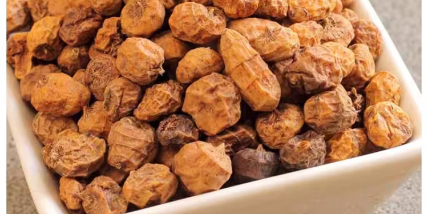
Registered Dietitian Efua Desua Nsiah Normanyo has advised Ghanaians to chew tiger nuts thoroughly and swallow the residue rather than spitting it out, explaining that the fibre in the solid portion of the nut supports blood sugar control and heart health.
She gave the advice on Monday, September 28, 2026, during a discussion on nutrition and movement on Citi FM’s Traffic Avenue, as part of the Citi FM and Channel One TV Healthy Living Project. According to her, the fibre is contained in the solid portion of the tiger nut, which is often spat out after chewing.
“So for good blood sugar control, for good heart health, you need the fiber. So please, chew it well and swallow,” she said. She explained that taking only the liquid extracted from tiger nuts means missing out on the fibre in the solid portion. “The milk alone is the fat, but the fiber is the chaff,” she added.
What the Science Says
Tiger nuts, despite their name, are not actually nuts but edible tubers of the yellow nutsedge plant (Cyperus esculentus), locally known as atadwe in Ghana. A one-ounce (28-gram) serving of tiger nuts contains approximately 10 grams of fibre—more than a third of the recommended daily intake—along with 120 calories, 19 grams of carbohydrates, 7 grams of fat (mostly healthy monounsaturated fat), and 9 grams of sugar.
The fibre in tiger nuts is particularly valuable for blood sugar management. Research shows that tiger nuts contain resistant starch, a type of fibre that resists digestion in the stomach and small intestine, helping to reduce sudden surges in blood sugar. A 2022 animal study found that mixing tiger nuts with date palm fruit helped lower blood glucose, insulin resistance, and oxidative stress in type 2 diabetes models. A human trial also showed that acute consumption of tiger nuts led to a statistically significant decrease in insulin levels, suggesting a possible improvement in insulin sensitivity.
For heart health, tiger nuts contain nutrients that may help reduce blood pressure and cholesterol, particularly low-density lipoprotein (LDL), often called “bad” cholesterol. Their healthy fats, including monounsaturated fatty acids, support cardiovascular health.
The fibre content also supports digestive health, increases stool bulk, and helps prevent constipation by promoting regular bowel movements and supporting beneficial gut bacteria.
A Growing Health Concern in Ghana
The dietitian’s advice comes amid a rising burden of non-communicable diseases in Ghana. Cardiovascular diseases account for approximately 18 percent of total deaths in the country, while about 45 percent of all deaths are attributable to NCDs, according to World Health Organisation data. Hypertension affects about one in five Ghanaian adults—approximately 3.7 million people—with women recording a higher prevalence at 25.3 percent compared with 18.2 percent among men.
Diabetes is also a growing concern. In 2024, Ghana recorded about 317,000 adults aged 20–79 living with diabetes, and projections suggest this number could rise to 808,000 by 2050. A July 2026 study from the Komfo Anokye Teaching Hospital found that type 2 diabetes among Ghanaian children had increased from 10 percent to 15 percent.
The Ministry of Health has identified poor dietary habits—including high consumption of salt, sugar, and processed foods—as key drivers of the NCD burden. The 2023 Ghana WHO STEPS survey found that about nine in 10 people added salt while cooking and at the table, while about 23 percent regularly consumed very salty processed foods.
The Healthy Living Project
The discussion formed part of the Citi FM and Channel One TV Healthy Living Project, a month-long campaign held in September 2026 under the theme “Changing Habits. Transforming Lives” with the call “Ghana, Let’s Live Healthy Together.”
The initiative brings together medical professionals, nutritionists, fitness experts and other specialists to provide practical guidance on healthy living through television, radio and digital platforms. The campaign focuses on diseases including hypertension, diabetes, obesity, heart disease, stroke, fatty liver disease and certain cancers.
The first week of the project, under the theme “Eat to Live – Food Is Medicine,” focused on the connection between diet and health, covering topics such as sugar, salt, portion sizes, vegetables, fibre, food labels, cooking methods and healthier ways of preparing familiar Ghanaian meals.
The Healthy Living Project is powered by Channel One TV and Citi FM, with sponsorship from the National Health Insurance Authority, Synlab and Bel-Aqua Active.
A Versatile Local Food
Tiger nuts are widely consumed in Ghana either as a snack or processed into a drink. In Ghana, the tubers are known as atadwe by the Akans and atangme by the Gas. They are also used to make atadwe milk, a popular beverage, and Atadwe Milkye, a tiger nut pudding.
Beyond their fibre content, tiger nuts are rich in essential minerals including calcium, copper, iron, magnesium, phosphorus, potassium, sodium, zinc, and vitamins E and C. They also contain digestive enzymes such as catalase, lipase, and amylase.
In Ghana, tiger nuts have traditionally been promoted by herbalists as a digestive tonic, for alleviating flatulence, increasing urine production, relieving menstrual pain, reducing cardiovascular diseases, and increasing breast milk output during lactation.
What Happens Next
Dr Akumiah, who spoke at a separate World Heart Day event, encouraged Ghanaians to know their health numbers, including blood pressure, blood sugar and cholesterol levels, and to undergo routine health checks even when they felt well. She explained that cardiovascular damage could develop silently for years before a person experienced a serious event, making prevention and early detection critical.
For those looking to increase their fibre intake through tiger nuts, the dietitian’s message is simple: chew thoroughly and swallow the residue. As she put it, “For good blood sugar control, for good heart health, you need the fiber. So please, chew it well and swallow.”