



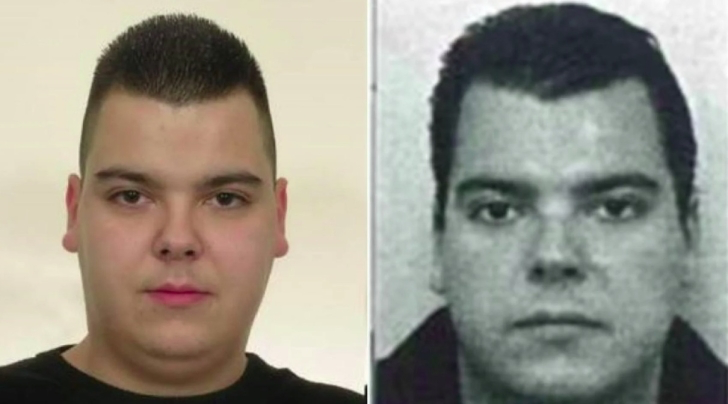
The Netherlands is seeking Ghana’s support to disrupt the drug supply network of fugitive Dutch trafficker Jos Leijdekkers, widely known as Bolle Jos, who is believed to be hiding in Sierra Leone, according to reports.
Dutch Minister of Justice and Security David van Weel is supporting efforts to involve Ghanaian authorities in the pursuit, with the aim of cutting off supply lines linked to the fugitive’s network, Dutch newspaper De Telegraaf reported. The precise form of the support is still being worked out, but the report says it could include the deployment of Dutch police officers to Ghana. The government hopes to have Leijdekkers in custody within a year.
Leijdekkers has been sentenced to more than 80 years in prison in the Netherlands and Belgium for drug trafficking and related offences, with one Dutch court handing him 24 years for cocaine trafficking and a liquidation attempt, while Belgian courts have imposed sentences exceeding 100 years across multiple cases. He is believed to be in Sierra Leone, where reports say he has links to influential figures, including the president’s family. He reportedly has a child with the daughter of Sierra Leone’s President Julius Maada Bio and has allegedly funneled billions of drug money into the Sierra Leonean economy.
The renewed effort comes after French customs officers intercepted nearly 3.9 tonnes of cocaine at the Port of Dunkirk in September 2026. The cocaine was concealed in a container carrying recycled plastic waste from Ghana and was estimated to have a street value of about US$260 million. The shipment was initially destined in part for Antwerp, Belgium. The cocaine has since been destroyed and the French prosecutor has opened an investigation into organised importation of narcotics and participation in a criminal association, charges carrying penalties of up to 10 years’ imprisonment.
Four Ghanaians have since been arraigned before the High Court in Accra in connection with the seizure. They include Desmond Koranteng Curiel, described in reports as a suspected Ghana-based operative for Leijdekkers’ network. The four have pleaded not guilty to charges of conspiracy to export narcotic drugs and exportation of narcotic drugs.
Ghana’s Narcotics Control Commission (NACOC) has said the country will not serve as a safe haven or transit point for international drug trafficking organisations. In a statement signed by Acting Director of Public Affairs and International Relations Francis Opoku Amoah, NACOC confirmed the arrests of three suspects who were allegedly representing and facilitating the activities of Leijdekkers in Ghana. “The three suspects are in NACOC custody, assisting investigators to examine their alleged roles in the trafficking,” the statement read. The Commission said it will continue working with domestic and international law-enforcement partners to disrupt the people, finances and infrastructure sustaining the illicit drug trade.
The Netherlands has been seeking Leijdekkers’ extradition from Sierra Leone for months, but efforts to secure his transfer have so far been unsuccessful. Sierra Leone has rejected the extradition request and refused to cooperate with the Netherlands on the case.
As part of the pressure, the European Commission has suspended €18 million in budget support to Sierra Leone. Dutch Minister Van Weel confirmed the suspension, stating: “I am very happy with this step. It is galling that EU money goes to a country that does not want to cooperate with the extradition of someone like Bolle Jos”. The funds were mostly intended to bolster education, food programs and infrastructure projects. The Netherlands also hopes a further €22.5 million in support earmarked for 2027 will be blocked if Leijdekkers is not handed over.
The Dutch government is pursuing additional European measures to freeze his assets and restrict his movements. Van Weel travelled to West Africa recently to garner support from surrounding nations including Ghana and Liberia, and is attending a meeting with EU justice ministers in Luxembourg where tougher sanctions on criminals hiding outside Europe, such as entry bans and asset freezes, are being discussed. The Netherlands is also seeking cooperation from other African countries to increase regional pressure and disrupt the networks that may be helping him evade arrest.
Pressure to tackle the cocaine trade has grown since an armed attack on a farm in Overasselt, Gelderland, last month, in which a security guard was killed. The attack is thought to be linked to the drugs trade. Drugs shipments passing through the West African coast are an increasing concern, for which Van Weel wants to establish a permanent secretariat.
The Dutch government is reportedly preparing to announce new measures to exert pressure on Sierra Leone to get the drug trafficker into custody. In addition to enlisting the help of other African countries, the government is working on European measures to cripple his movements and freeze his assets.


