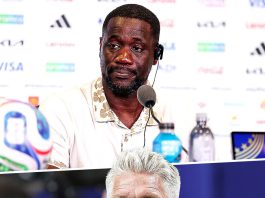
The smallest nation to ever reach the knockout stage now faces the ultimate test: defending champions Argentina.
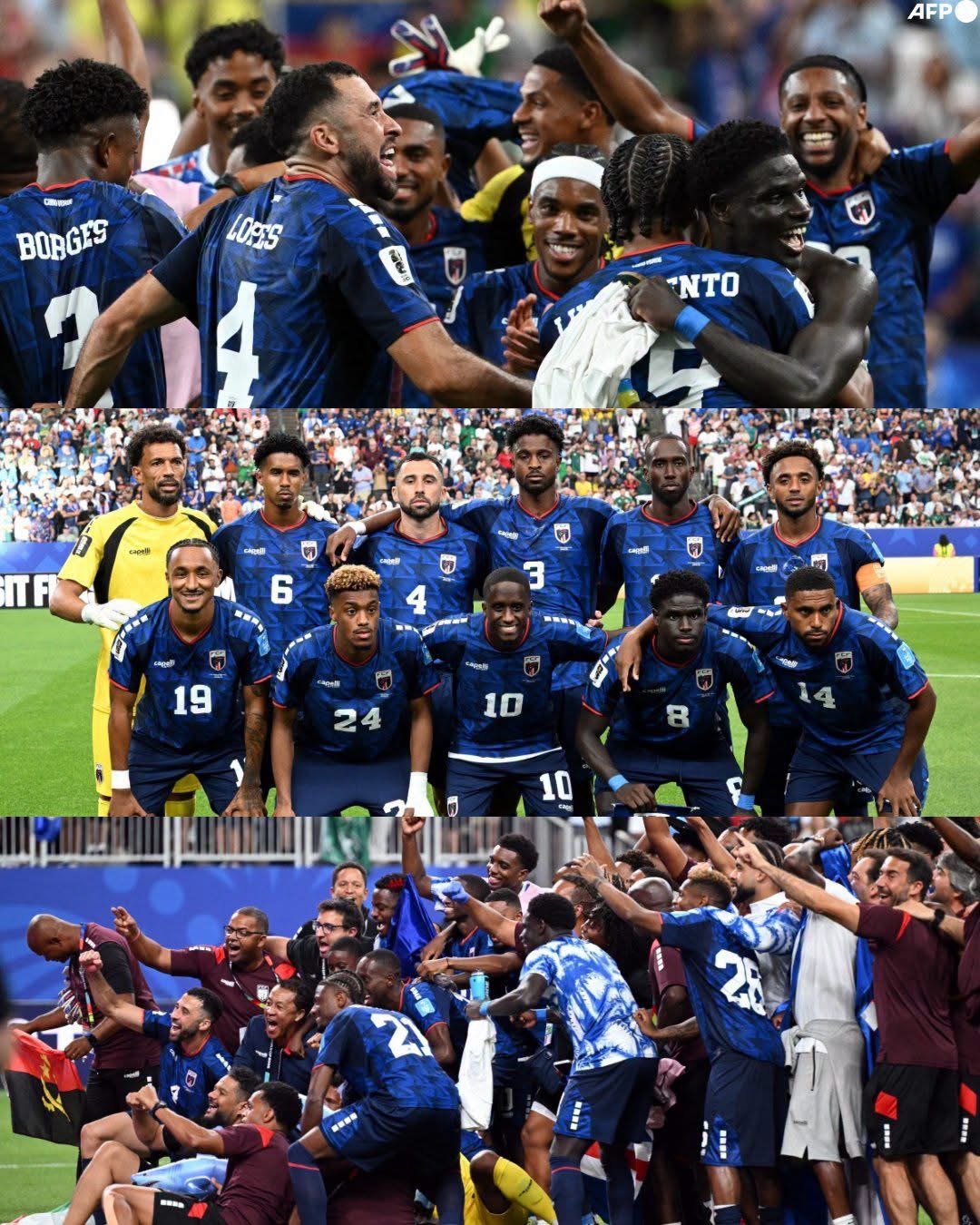
When the Cape Verdean players huddled around a mobile phone on the pitch in Houston, clutching their national flags and wiping tears from their eyes, they were waiting for a result thousands of miles away. When confirmation came that Spain had beaten Uruguay, the celebration erupted. The Blue Sharks—a nation of just over 500,000 people spread across ten volcanic islands off the coast of West Africa—had done the unthinkable.
They had qualified for the Round of 32 of the World Cup. On their first ever attempt.
A Debut for the History Books
Cape Verde entered Group H as the ultimate underdogs, ranked 67th in the world and facing two former world champions—Spain and Uruguay. The gap between Spain and Cape Verde in FIFA’s world rankings was 65 places, the biggest ever in a World Cup game that did not end in the higher-ranked side winning.
Yet the debutants refused to read the script.
In their opening match against the reigning European champions, Cape Verde produced one of the biggest shocks in World Cup history—a stunning 0-0 draw. The hero was 40-year-old goalkeeper Vozinha, who made seven saves against Spain’s 27 attempts, producing a masterclass of goalkeeping that left the Spanish attack frustrated and bewildered. He is now only the third goalkeeper in World Cup history to keep multiple clean sheets after turning 40.
The performance was defined by extraordinary discipline: Cape Verde committed just one foul all match—the fewest by any team in a World Cup game since records began in 1966.
Next came Uruguay, the two-time world champions. Cape Verde fought back to claim a 2-2 draw, with midfielder Kevin Pina scoring the nation’s first ever World Cup goal with a stunning 31-metre strike.
Three matches. Three draws. Zero defeats. And a place in the knockout rounds secured.
The LinkedIn Defender Who Almost Said No
At the heart of Cape Verde’s historic campaign stands Roberto “Pico” Lopes, a Dublin-born centre-back whose journey to the World Cup is so extraordinary it could have been rejected by Hollywood scriptwriters.
Lopes, 33, was working as a mortgage adviser at a bank in Blanchardstown, Dublin, playing part-time for Bohemians before Shamrock Rovers offered him a full-time professional contract in 2017. Then, in 2019, he received a message on LinkedIn from former Cape Verde coach Rui Aguas.
The message was in Portuguese. Lopes didn’t speak Portuguese. He assumed it was spam and ignored it.
Nine months later, Aguas followed up in English. Lopes copied the message into Google Translate and discovered he was being offered the chance to represent his father’s homeland. “I was absolutely buzzing with that,” he said. “Yep, 100% I’d love to be a part of the squad.”
It is believed to be the first time a LinkedIn message has led to a World Cup squad selection. “I responded to a LinkedIn message and it brought me to the World Cup,” Lopes said.
Days after helping Cape Verde qualify for the World Cup, Lopes became a father for the first time when his wife gave birth to their son, Diego. “Being able to represent my family playing for the national team and being able to put our family name out there at one of the biggest sporting events in the world fills me with great pride.”
A Diaspora-Built Dream
Cape Verde’s success is no accident. The football federation deliberately tapped into the country’s vast diaspora—across Portugal, France, the Netherlands, and Ireland—to build a competitive squad. Fourteen members of their 26-man World Cup squad were born abroad, with six hailing from Rotterdam alone.
“It’s not something that’s just been fabricated out of nothing,” Lopes said. “Since I’ve been involved, and before that, there’s been an ongoing plan to get Cape Verde up at the big table with the big football nations of the world.”
The plan has worked. Cape Verde qualified for the World Cup by winning a qualifying group that included five-time African champions Cameroon, winning seven of their ten matches. They have now lost just once in their last 18 matches.
David vs. Goliath: Argentina Awaits
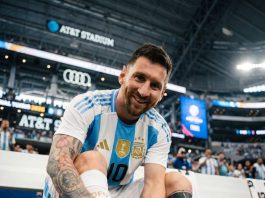
The reward for this fairy-tale run? A date with the defending world champions, Lionel Messi’s Argentina, in Miami on July 3.
For a nation of just over 500,000 people—the smallest to ever reach the World Cup knockout stage—this is the ultimate David versus Goliath encounter.
“It’s just a great story for what the World Cup is all about,” said former Australia manager Ange Postecoglou. “We often talk about how football touches every part of the globe and this is what it can do. Get on the main stage and they finished second in their group. I think they’d love to play Argentina, it just adds to their story.”
Midfielder Deroy Duarte, named man of the match against Saudi Arabia, summed up the feeling: “Honestly, it’s mad. I feel like I’m in a dream.”
Whatever happens in Miami, Cape Verde have already written one of the most remarkable chapters in World Cup history. A team built through LinkedIn messages, diaspora connections, and unwavering belief now stands on the biggest stage of all, ready to face the champions.
The dream continues.