



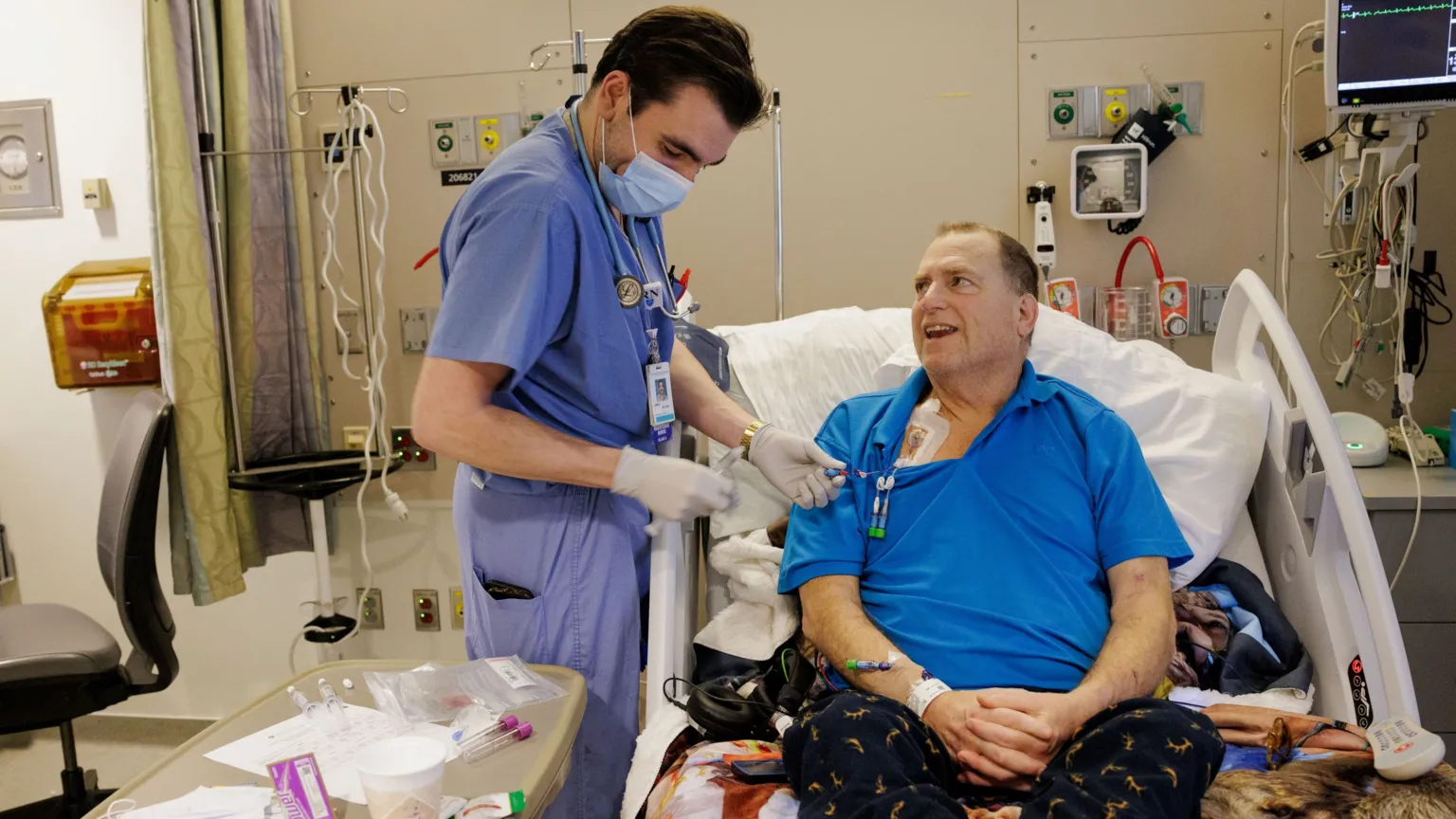
When Tim Andrews was told he faced a seven-year wait for a human kidney transplant—despite having only five years to live on dialysis—he felt time slipping away. “It becomes very depressing,” the 66-year-old recalled.
But a pioneering procedure at Massachusetts General Hospital offered an unexpected lifeline: a kidney from a genetically modified pig.
The transplant, performed on January 25, 2025, functioned for a record 271 days—the longest a pig organ has ever worked inside a human body. The case, published in The Lancet, represents both a breakthrough and a stark reminder of the challenges still ahead in xenotransplantation.
‘Hope Was Everything’
Andrews, whose kidneys were failing due to type 2 diabetes, had been told he would need dialysis for years before reaching the top of the transplant list. Dialysis patients live an average of just five years—a timeline that made the wait feel impossible.
“The idea of a pig transplant was hope—the light at the end of the tunnel,” Andrews said. “Hope is the biggest thing: the chance to be free from the machine and live your life.”
On the morning of his surgery, he embraced his wife Karen outside the hospital. Weeks later, after the kidney began working immediately, he walked out of Mass General Brigham—not cured, but free from dialysis for the first time in months.
The Science Behind the Surgery
Pigs are ideal for xenotransplantation: their organs are roughly human-sized, and we have generations of experience farming them. But a standard pig kidney would be destroyed within minutes by the human immune system—turning black as cells rupture and clots form.
To overcome this, researchers at Mass General Brigham used Yucatan miniature pigs engineered with 69 genomic modifications:
· Knocked out pig genes that trigger immediate immune rejection
· Added human genes to camouflage the organ from immune attack
· Disabled viruses embedded in pig DNA to prevent hidden infections
The donor kidney was harvested and attached to Andrews’ blood vessels, where it began filtering blood like a human organ.
A Bridge, Not a Cure
Dr. Leonardo Riella, of the hospital’s Center for Transplantation Sciences, described the procedure as a “bridge” strategy.
“We are working hard to bring hope,” he said. “Xenotransplantation can be an alternative for patients who don’t have a living donor—potentially bypassing dialysis altogether.”
The numbers underscore the urgency. In the United States, 100,000 people await a kidney, but only 25,000 transplants occur annually. In the UK, more than 7,000 remain on the waiting list.
The Long Road to Failure
For the first six months, the pig kidney thrived. Early signs of immune rejection were successfully managed with medication adjustments.
But around the six-month mark, the organ began to change. Blood vessels became damaged, inflammation set in, and function started to decline. By October 2025—271 days after surgery—the kidney had failed and was removed.
What caused the failure remains unclear. Doctors found no antibodies attacking the kidney, suggesting the rejection mechanism may be different from standard organ rejection.
Andrews returned to dialysis for 82 days until a human donor kidney became available in January 2026. That transplant, he reports, is working well.
What This Means for the Future
The case illustrates both the extraordinary promise and the persistent obstacles of xenotransplantation. While 271 days is a dramatic improvement over previous attempts—the first pig kidney recipient in 2024 survived just two months—it falls short of the years-long function patients ultimately need.
“This case illustrates both the promise and the remaining challenges of clinical kidney xenotransplantation,” the authors wrote in The Lancet.
Dr. Tatsuo Kawai, who led the surgical team, said the knowledge gained from Andrews’ experience is already shaping the next generation of genetic modifications.
For Tim Andrews, the journey wasn’t about setting records. “The pig kidney gave me time,” he said. “Time I didn’t have to spend hooked to a machine. That’s everything.”
The research was conducted at Massachusetts General Hospital, part of the Mass General Brigham healthcare system, with headquarters in Somerville and Boston, Massachusetts.


