



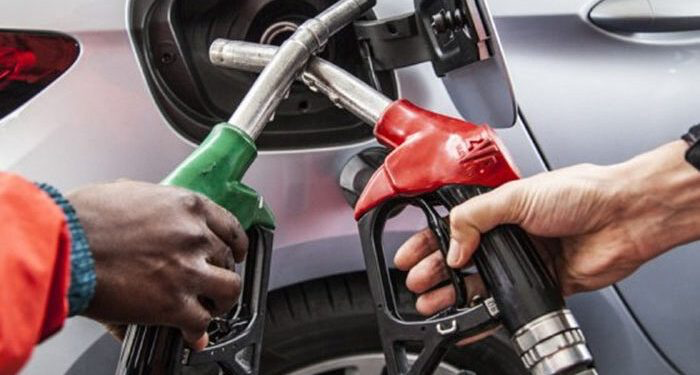
Consumers of petroleum products in Ghana will pay more at the pumps starting today as the second pricing window of September takes effect, driven by elevated international crude oil and refined product prices amid renewed tensions in the Middle East.
Petrol prices are projected to increase by about 9.63%, while diesel prices could rise by 6.97%, according to the latest pricing outlook from the Chamber of Oil Marketing Companies (COMAC). LPG prices are also expected to increase by 3.22%.
What the Numbers Look Like
Based on COMAC’s projected cash-purchase ex-pump prices, petrol could sell at GH¢17.23 per litre, while diesel could reach GH¢18.35 per litre. LPG is projected at GH¢16.66 per kilogramme.
Under the National Petroleum Authority’s (NPA) price floors for the second pricing window of September, petrol will sell at a minimum of GH¢16 per litre, while diesel will sell at GH¢16.77 per litre. Compared with the first September window, the petrol floor has been raised by GH¢1.47 from GH¢14.53, while the diesel floor has gone up by GH¢1.17 from GH¢15.60. The LPG floor was adjusted marginally upward by GH¢0.12 to GH¢10.97 per kilogramme.
However, the NPA price floors do not necessarily represent the final prices consumers will pay at the pumps. Actual pump prices also reflect other components of the pricing structure, including the premiums of international oil trading companies, the operational margins of bulk importers and distributors, and the margins of marketers and dealers, which are determined by individual companies in line with pricing guidelines.
Global Oil Prices Remain Elevated
The core driver of this latest increase is the international market. According to COMAC data, the average crude oil price for the pricing window rose by 12.29% month-on-month to **US100 mark since May this year.
Brent crude has been even more volatile. On Monday, Brent surged as much as 3.6% to **US107. The surge was triggered in part by Saudi Arabia’s closure of a key East-West pipeline following an attack, heightening market concerns over supply disruptions in the Middle East.
Refined product prices have also climbed across the board. Gasoline FOB prices rose by 13.21%, diesel by 7.50%, and LPG FOB prices jumped by 16.42%.
Cedi Exchange Rate Adds to Pressure
For Ghana, which relies heavily on imported petroleum products, the performance of the cedi is another critical variable. COMAC noted that the cedi appreciated marginally against the US dollar by about 0.29% during the window, with the average interbank exchange rate improving from GH¢11.5166 to GH¢11.4830. However, that slight appreciation is nowhere near enough to offset the sharp rise in international oil prices.
More worrying still, the cedi is facing fresh depreciation pressure this week. According to The Ghana Report, the local currency has fallen to GH¢11.95 to the US dollar in the retail forex market, bringing its year-to-date depreciation to roughly 8.77%.
Transport Fares Could Follow
The impact of higher fuel prices is already rippling through the broader economy. The Ghana Private Road Transport Union (GPRTU) has signalled a possible 25% to 30% increase in transport fares should the projected fuel price increases materialise.
This is not the first time GPRTU has raised the prospect of higher fares this year. In May, the union announced a 20% increase in nationwide public transport fares effective June 2, citing rising fuel prices and the cost of vehicle spare parts. At the time, the Chamber of Petroleum Consumers (COPEC) backed the move, with its Executive Secretary, Duncan Amoah, describing the adjustment by transport operators as “justified” and warning that maintaining the old fares would make commercial transport “unsustainable.”
The Chamber of Bulk Oil Distributors (CBOD) has also added its voice in support of transport operators. Following the release of COMAC’s latest projections, CBOD said transport operators seeking a fare adjustment have “a legitimate case.”
Impact on Businesses and Households
For businesses, particularly those dependent on road transport and diesel-powered operations, higher fuel costs could increase production, logistics and distribution expenses. This could feed into the prices of goods and services, putting additional pressure on household budgets that are already stretched.
If elevated global oil prices persist, there are concerns that pump prices could return to levels recorded in 2022, when some petroleum products crossed GH¢23 per litre. That would represent a significant reversal from the single-digit pump prices recorded earlier this year and could intensify pressure on transport costs, business operating expenses and household spending.
COPEC has called on the government to extend subsidy interventions, proposing a GH¢1 per litre relief on petrol while maintaining the existing GH¢2 per litre subsidy on diesel until international petroleum benchmark prices return to more normal levels.


