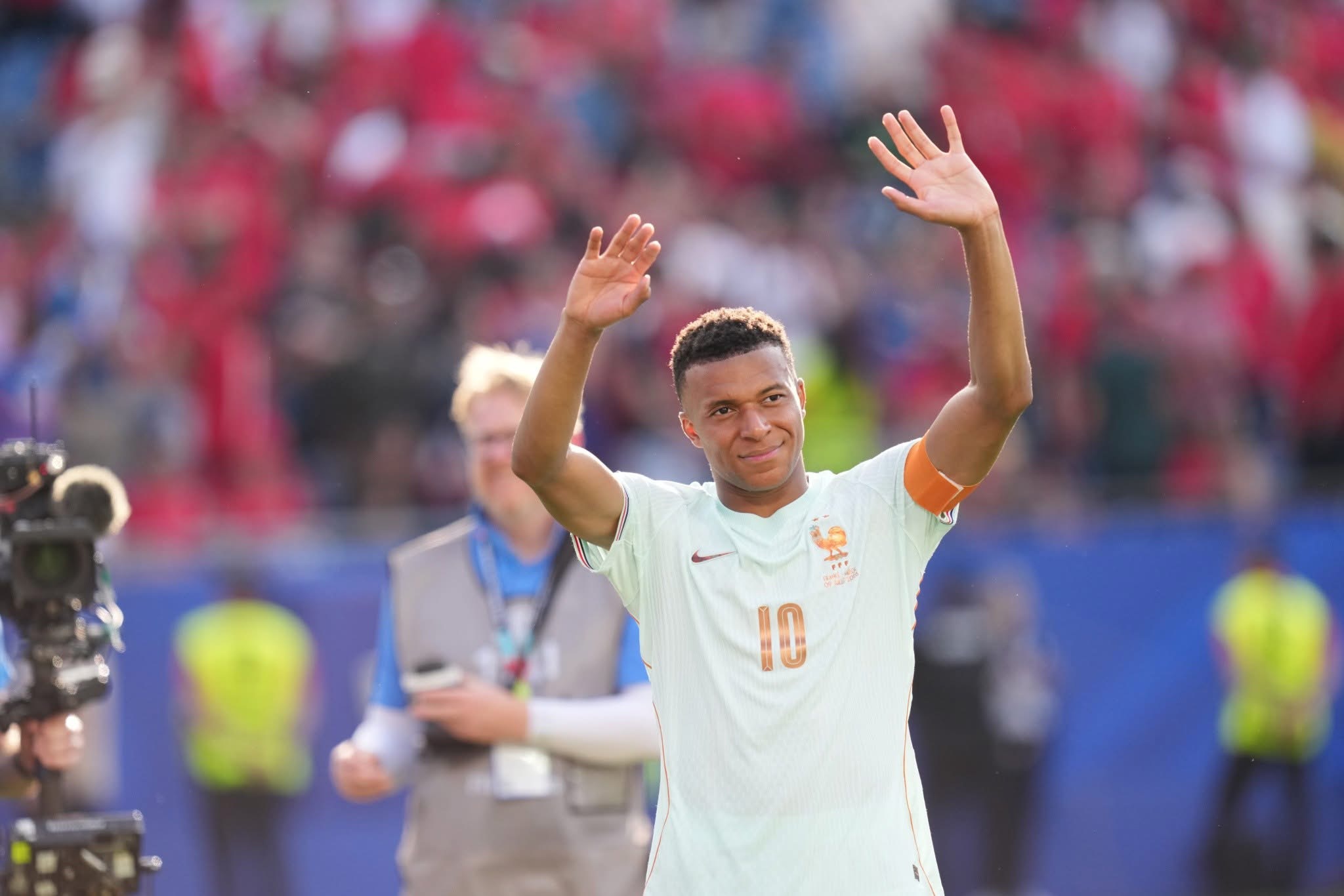
Kylian Mbappé has once again demonstrated that his principles carry more weight than his pay-check, revealing that he personally turned down a lucrative request to appear in a sports betting commercial—despite contractual pressure from his image-rights handlers—and that he even foots the bill for his own travel when representing France.The Real Madrid and Les Bleus captain made the frank disclosures during a press briefing, lifting the lid on the often-opaque world of national-team image rights and the ethical tightropes elite footballers must walk.
A Firm ‘No’ to Gambling
The controversy traces back to a standard image-rights clause within Mbappé’s agreement with the French Football Federation (FFF). As part of that arrangement, the federation’s commercial partners routinely request the participation of star players in promotional campaigns. This year, that request involved a leading betting operator—a sector that has become increasingly woven into European football’s commercial fabric, from shirt sponsorships to pitch-side hoardings.
Mbappé, however, drew a hard line.
“I don’t take part in sports betting advertisements,” he stated flatly. “I’ve seen what gambling has done to people I know. It’s not a vice I am willing to monetise, even indirectly.”
His refusal is noteworthy given the financial stakes. Top-tier players can command seven-figure fees for single endorsement days, and the betting industry is among the most aggressive spenders in sports marketing. Yet Mbappé’s decision reflects a growing generational shift, with younger athletes increasingly wary of associating their personal brands with high-risk sectors like alcohol, fossil fuels, and gambling.
Behind the scenes, sources close to the player suggest that his stance caused friction with marketing executives, who argued that the campaign fell squarely within his contractual obligations. Mbappé’s legal team reportedly countered that moral stipulations in his personal endorsement contracts take precedence over collective federation agreements—a position that, while not unprecedented, is rarely tested so publicly.
The Cost of Patriotism
Perhaps even more striking was Mbappé’s revelation regarding his personal finances while on international duty. Unlike many of his peers, he receives no salary or match fee from the French national team—a fact he emphasised to underline that his commitment to Les Bleus is not commercially motivated.
“The French national team doesn’t pay me a single cent,” he confirmed. “And I even pay for my own flights from Madrid.”
This arrangement is exceptionally rare at the highest level. While it is common for federations to cover all travel, accommodation, and expenses for their players—often in business or first-class cabins—Mbappé chooses to arrange and fund his own private transport. Insiders suggest this allows him greater flexibility in managing his recovery schedule and family commitments, but the player framed it more simply: if he is going to represent his country, he wants to do so entirely on his own terms, free from any sense of financial obligation or favour.
A Longstanding Image-Rights Battle
Mbappé’s latest comments are the latest chapter in a protracted tug-of-war with the FFF over player image rights. In 2022, he famously refused to take part in a photo shoot for the federation’s commercial partners, triggering a crisis that forced the FFF to rewrite its image-rights charter. That revised agreement now gives players greater veto power over how their likenesses are used—a direct result of Mbappé’s insistence that footballers should not be treated as “billboards” for partners they morally object to.
At the time, he argued that the previous contract, signed en masse by squad members, effectively stripped them of individual agency. His successful rebellion has since inspired other French internationals to scrutinise their own agreements more closely.
Wider Implications for Sport
The timing of Mbappé’s defiance is significant. Across Europe, regulators are tightening scrutiny on gambling advertising, with countries such as the Netherlands, Italy, and Spain imposing stricter caps on betting sponsorships. In France, a proposed bill to ban gambling companies from sponsoring sports clubs is currently making its way through parliament, though it remains bitterly contested by Ligue 1 clubs that rely heavily on betting revenue.
By publicly rejecting such a campaign, Mbappé adds substantial moral weight to that legislative push. His immense global following—particularly among younger demographics—means his stance is likely to resonate far beyond the pitch, potentially influencing both fan attitudes and the commercial calculations of other high-profile athletes.
A Principle Over Profit
When asked whether he regretted turning down the substantial fee involved, Mbappé smiled but did not hesitate. “Some numbers on a bank statement are not worth the look on a friend’s face when they talk about what gambling cost them,” he said. “I play for trophies, not for betting slips.”
For now, the FFF has declined to comment on the specific advertisement request, but internal sources acknowledge that Mbappé’s refusal has forced them to re-evaluate certain partnership agreements. Whether other players will follow his lead remains to be seen—but one thing is clear: the French captain is determined to rewrite the rules of engagement, one principled refusal at a time.