



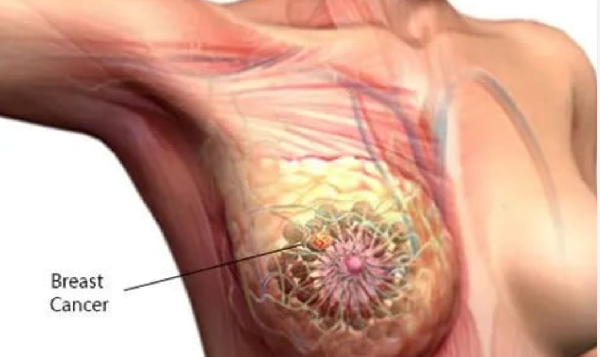
Health experts are sounding the alarm over a projected dramatic rise in global breast cancer cases, warning that without immediate intervention, the number of women diagnosed annually could increase by approximately one-third by the year 2050.
According to最新 global health research, annual breast cancer cases are expected to climb from roughly 2.3 million recorded in 2023 to approximately 3.5 million by mid-century. The projections paint a concerning picture of the growing strain on healthcare systems worldwide.
Rising Death Toll
Even more alarming is the anticipated surge in mortality. Researchers estimate that breast cancer-related deaths could jump from approximately 764,000 annually to nearly 1.4 million by 2050 – a staggering 44 percent increase.
Breast cancer currently ranks as the most commonly diagnosed cancer among women globally, and these projections suggest the disease will remain a formidable public health challenge for decades to come.
Developing Nations Face Steepest Challenges
The projected increase is expected to hit low- and middle-income countries hardest, where healthcare infrastructure often struggles to provide adequate screening, diagnosis, and treatment services.
“Many developing nations face significant barriers in cancer care delivery,” researchers noted. Limited access to modern medical facilities frequently results in late-stage diagnosis, when treatment options are fewer and survival rates plummet.
By contrast, wealthier nations typically benefit from established screening programmes, advanced medical technology, and broader access to specialized treatment – factors that enable earlier detection and improved survival outcomes.
Health experts warn that without substantial investments in healthcare systems across developing regions, the survival gap between high-income and low-income countries will likely continue widening.
Lifestyle Factors Play Significant Role
The research highlights that approximately 28 percent of global breast cancer cases are linked to modifiable risk factors – lifestyle choices and health conditions that could potentially be addressed through prevention efforts.
Key risk factors identified include:
· Excessive alcohol consumption
· Smoking
· Obesity
· High blood sugar levels
· Physical inactivity
· High red meat intake
Public health officials emphasize that education campaigns promoting healthier lifestyles, improved nutrition, and regular physical activity could significantly reduce future breast cancer cases.
Concerning Trend Among Younger Women
Researchers have noted an troubling increase in breast cancer diagnoses among younger women, particularly those aged 20 to 54. While the disease remains more prevalent among women 55 and older, cases in younger demographics have been gradually rising over recent years.
This trend is believed to be linked to changing lifestyle patterns, environmental exposures, and shifts in reproductive factors, though researchers continue to investigate the underlying causes.
Call for Coordinated Global Response
Medical professionals are urging governments and health institutions to strengthen global efforts against breast cancer through expanded screening programmes, improved treatment access, and robust public health campaigns focused on prevention.
“Early detection remains one of the most powerful tools we have to reduce breast cancer mortality,” experts stressed. When identified at an early stage, treatment success rates improve dramatically, and survival chances increase significantly.
Researchers emphasize that investments in cancer care infrastructure must be prioritized, particularly in regions where healthcare access remains limited. With case numbers projected to rise sharply in coming decades, coordinated international action will be essential to mitigate the future impact of breast cancer and protect the health of millions of women worldwide.


