



Ghana’s gross international reserves fell by approximately US$1.9 billion between June and August 2026, prompting the Institute of Economic Research and Public Policy (IERPP) to demand a full public accounting from the Ministry of Finance and the Bank of Ghana (BoG).
Bank of Ghana data show reserves declined from US11.07 billion by the end of August. The August figure represents 4.2 months of import cover, down from 5.7 months at the start of the year — a loss of about US$30 million per day over the two-month period.
The decline is part of a broader erosion. Reserves peaked at US13.95 billion in April, US11.07 billion in August — a cumulative loss of US12.05 billion by September 22, according to the latest reported data.
The drawdown occurred despite strong export earnings. Gold exports rose from US14.86 billion in the same period of 2026. Ghana also recorded a US5.1 billion. The divergence between strong export receipts and falling reserves has raised questions about where the foreign exchange is being deployed.
Gold Export Pause Adds Pressure
A significant factor in the reserve decline has been a pause in gold exports by the Ghana Gold Board (GoldBod) since mid-August 2026. BoG Governor Dr Johnson Asiama, speaking at the opening of the 132nd Monetary Policy Committee meeting on September 23, identified three risks to the economy: a projected current account deficit, declining reserves, and the GoldBod export suspension.
“The weaker current account, the decline in reserves, and the pause in gold exports by GoldBod since mid-August call for a careful look at our buffers ahead of the usual rise in foreign exchange demand in the fourth quarter,” Asiama said.
The GoldBod was established as a central pillar of Ghana’s strategy to use gold not only as an export earner but as a tool for reserve accumulation and exchange-rate stabilisation. Until recently, the Domestic Gold Purchase Programme relied heavily on the Bank of Ghana’s balance sheet. From July 2026, GoldBod assumed responsibility for domestic gold purchases, with the central bank exiting quasi-fiscal financing of the programme. The IMF estimated that the previous arrangement generated losses of approximately GH¢22 billion in 2025, equivalent to 1.5 percent of GDP.
Despite the pause, GoldBod reported generating US646.59 million was made available to the Bank of Ghana for reserve accumulation, while US$668.21 million was sold to commercial banks.
IERPP Demands Transparency
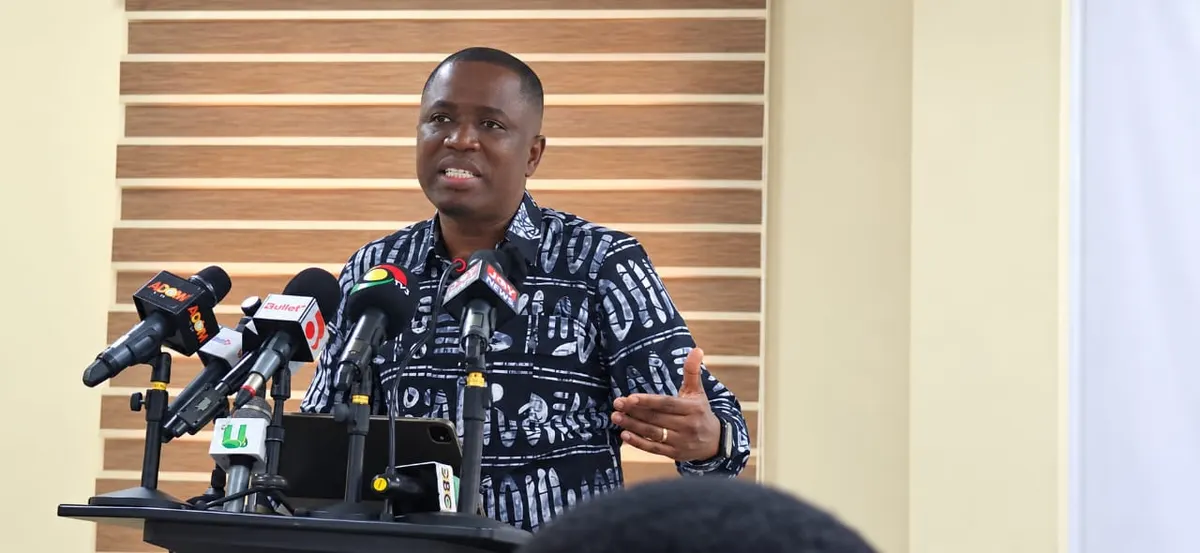
In a statement signed by its Director, Dr Frank Bannor, the IERPP posed four specific questions to the Finance Ministry and the BoG:
- Exactly what was the US$1.9 billion used for between June and August?
- Why have Ghana Gold Board gold exports been paused, and when will they resume?
- How much of the reserves went into defending the cedi or paying debt, or financing of fiscal spending?
- What concrete steps will stop the decline before the 2027 debt payments fall due?
“The people’s reserves are not a secret. Ghanaians deserve the truth,” the IERPP statement said. “We call on the Minister for Finance and the Bank of Ghana to give Ghanaians a full, public account of the reserve losses without delay.”
The IERPP is a Ghanaian policy think tank that has previously raised concerns about fiscal space, revenue leakages in the petroleum sector, and disparities in cocoa export earnings. Dr Bannor is a Development Economist and Lecturer at the Ghana Institute of Management and Public Administration (GIMPA), who also serves as a spokesperson for the New Patriotic Party’s Finance and Economy Sector Committee.
Debt Obligations Loom
The reserve decline comes as Ghana faces substantial debt repayments in 2027 and 2028. The country must repay GH¢111 billion of restructured domestic bonds — GH¢58 billion in 2027 and GH¢53 billion in 2028 — as bullet payments on four settlement dates. External debt service obligations of US2.4 billion in 2028, according to Finance Minister Dr Cassiel Ato Forson.
The IERPP warned that entering 2027 with a shrinking buffer would be perilous. “Rebuilding reserves later is not a plan. It is an admission that they were not protected,” the statement said.
The cedi had depreciated by 9.5 percent in real bilateral terms against the US dollar on a year-to-date basis by September, according to BoG data cited by economist Dr Gideon Boako. A weaker cedi raises the prices of fuel, food, medicine, and other imported goods, compounding cost-of-living pressures.
Divergent Assessments
Not all analysts view the reserve decline as an immediate crisis. Professor Godfred Bokpin of the University of Ghana Business School said the development does not present an immediate threat but exposes vulnerabilities in the external position.
“There should not be any panic necessarily, because we still have considerable level of reserves to be able to fight the pressure,” Bokpin said, while cautioning that the Bank of Ghana may need to moderate its interventions in the foreign exchange market to preserve reserves.
Professor Bokpin also highlighted Ghana’s dependence on a single major commodity — gold — for foreign exchange earnings, noting that Middle East tensions could disrupt gold export flows and that demand for foreign exchange typically rises in the fourth quarter.
The Monetary Policy Committee, which held its 132nd meeting from September 23 to 24, maintained the policy rate at 14 percent for the third consecutive time. Governor Asiama said rebuilding reserves would be a key priority for the Bank in the coming months.
The Ministry of Finance and the Bank of Ghana have not yet issued a detailed public response to the IERPP’s demands. As Ghana approaches a period of elevated foreign exchange demand and a looming debt maturity wall, the reserve trajectory remains a critical gauge of the country’s external resilience.


