



The United Nations has a message for Ghana’s government: your Rent Control Department is broke, broken, and barely breathing. Fix it, or watch the housing crisis eat the country alive.
UN Special Rapporteur on the Right to Adequate Housing, Koldo Casla, wrapped up a 12-day official visit to Ghana on October 9, 2026, and dropped a statement that reads less like diplomacy and more like a warning shot. His demand: give the Rent Control Department the logistics and resources it needs to actually do its job, and strengthen the institutional mechanisms to monitor and curb arbitrary rent hikes that are squeezing tenants dry.
Casla didn’t mince words about what he saw. Flashy billboards across Accra advertising real estate at “stratospheric prices” far beyond the reach of the average Ghanaian. A formal housing market that has abandoned the working class. A country where about 31 per cent of the urban population lives in informal settlements — and a considerable number of people are outright homeless.
Here’s the ugly truth the UN expert put on blast: Ghana faces a housing deficit of more than 1.8 million units, and up to 37 percent of the urban population lives in informal settlements. The construction sector employs hundreds of thousands and contributes an estimated seven to 15 per cent of GDP. And yet the institutions meant to protect tenants from predatory landlords are running on fumes.
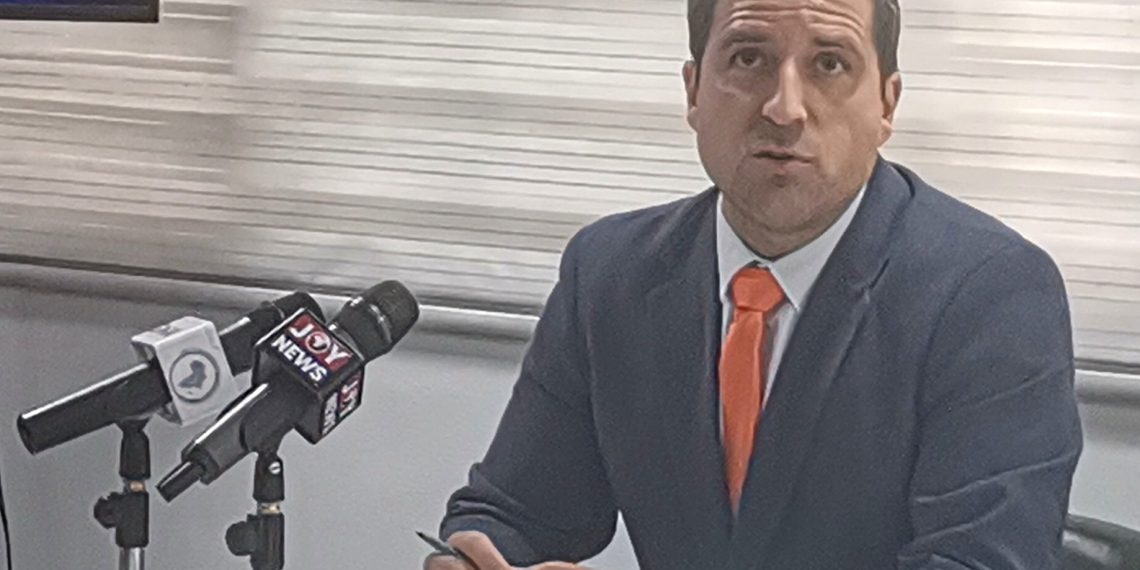
The Rent Control Department is a case study in state neglect. Acting Commissioner Frederick Opoku — a man who once called the department a “toothless bulldog” and “useless” before taking the job — has been screaming into the void about its condition. In the first quarter of 2026, the entire department received just GH¢60,000 to run 66 offices across the country. That’s roughly GH¢909 per office for three months. For a national institution. Opoku’s public appeal to Finance Minister Ato Forson was blunt: “GH¢60,000 to run Rent Control for three months? What’s the meaning of this?”
Staffing is just as dire. The department has fewer than 200 employees nationwide — some offices that should have five people are running on two. Officers have no vehicles to conduct property assessments, so landlords or tenants end up paying for their transport, a setup the Commissioner himself admits “creates room for corruption”.
Meanwhile, the rent crisis is metastasizing. In Juaboso, a single room now goes for GH¢2,000 to GH¢2,500 a year — and landlords are demanding two years’ advance. In Kasoa, tenants have taken to the streets over unjustified hikes. In Gomoa Budumburam, landlords are jacking up prices and demanding three years’ advance because foreign tenants can pay upfront while locals can’t compete. The Rent Control Department, underfunded and understaffed, is supposed to stop this. It can’t. It’s been structurally kneecapped for years.
Casla also called out the deeper rot: the high cost of formal housing is funneling Ghanaians into informal settlements by design, not accident. He urged authorities to listen to people living in poverty when designing public housing policies — a polite way of saying the government has been building for the rich and ignoring everyone else.
The Special Rapporteur will present a full report to the UN Human Rights Council in March 2027. Ghana’s government has until then to prove it gives a damn. The tenants already know the answer. The question is whether the people in charge will ever stop pretending they don’t.


