



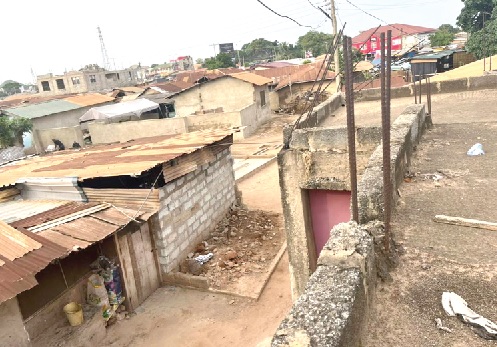
Long before the bustling streets and sprawling housing estates of Oyarifa took shape, the land was a wilderness trodden by a lone hunter from La. That man, Nii Sowah Oblie, founded the town in 1963, according to the regent of the community.
In an interview with The Mirror last Friday at the Nii Odzenmado House, Regent Nii Mensah recounted that Nii Oblie first set foot on the land—originally called “Oyamfa”—before moving through Adenta and Frafraha and finally settling in what is now Oyarifa. The name has since been adulterated over time to its current form.
Nii Oblie, who later became the first chief of the land, marked his arrival with a traditional libation and a prayer proclaiming “wo yi afa”—a call for growth, multiplication and prosperity among his people. That moment, the regent said, established both the leadership and spiritual foundation of the community.
Today, Oyarifa spans more than 5,000 acres and remains a place of cultural importance. The people celebrate the Homowo Festival, locally known as Yaleyale, and the area is home to several shrines, including Kermieteh, Koblaa Tenten, La Letso and Afiena.
The regent noted that the Nii Odzenmado House stands as the first and main palace, predating the Gyasi Palace, which now serves as the second.
Symbolism remains central to Oyarifa’s traditions. A red-dominated flag featuring the Sankofa symbol and the inscription “Oyarifa Ashanti Kotoko” is reserved for solemn occasions, leading the funeral processions of chiefs, queenmothers and linguists. A ceremonial umbrella adorned with a tiger and a lion—symbolising authority, strength and dignity—is used to honour chiefs during durbars.
However, rapid population growth and urban development have drastically changed the community. Farming and hunting, once dominant activities, have declined as farmlands are increasingly converted to housing and other modern uses.
“From the footsteps of a lone hunter to a rapidly developing community,” Nii Mensah said, Oyarifa continues to be shaped by modern life—yet its traditions, symbols and the stories of its people remain deeply rooted.


