



The Ghana Cocoa Board (COCOBOD) will raise GH¢16.3 billion (US$1.4 billion) from domestic investors to finance cocoa purchases for the 2026/2027 crop season, marking a historic shift away from the offshore syndicated loan model that financed Ghana’s cocoa sector for more than three decades.
The Deputy Chief Executive Officer of COCOBOD in charge of Finance and Administration, Ato Boateng, said the decision to pivot to domestic financing was driven by two factors: the relative stability of the cedi and the sharp decline in domestic interest rates, both of which have made cedi-denominated borrowing more attractive than dollar-denominated offshore loans.
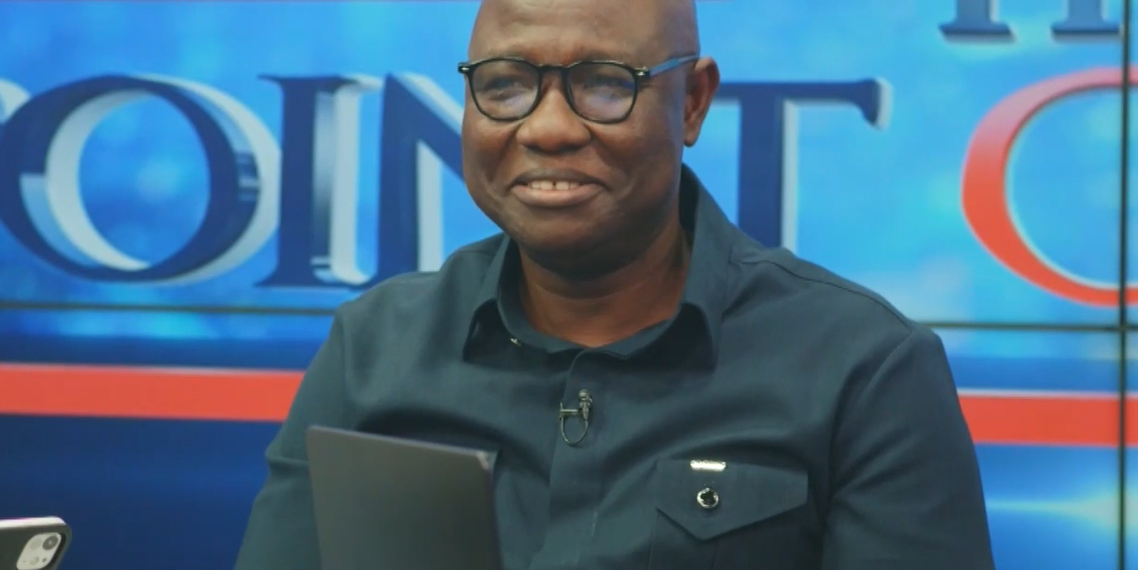
“This change is as a result of the currency stability that we want in the country. Historically, the syndication brought in a lot of money and given the new macro environment, the cedi-dollar exchange rate would want to stabilise it,” Boateng said on Channel One TV’s The Point of View on Monday, September 28, 2026. “So a stabilising effect would be to do domestic funding so that you don’t have a lot of chunk dollars coming in at the same chunk going out.”
Boateng also cited the broader macroeconomic environment, noting that the interest rate environment has “gone down significantly,” making this “the right time to sort of use the domestic resources to finance the purchase of the crop.”
From Offshore Syndication to Domestic Notes
Traditionally, COCOBOD has relied heavily on foreign currency loans to pre-finance cocoa purchases, a system that allowed farmers to be paid promptly upon delivery while the cocoa was subsequently sold on the international market in US dollars. The funds enabled COCOBOD to pay farmers in cash immediately, with the proceeds from cocoa exports used to repay the offshore lenders.
That model, which had been in place since the 1992/93 crop season, collapsed ahead of the 2024/25 season after international banks lost confidence in COCOBOD following failures to honour contractual supply obligations. Ghana was denied access to syndicated financing after it was unable to supply the agreed 800,000 metric tonnes of cocoa to off-takers, despite receiving the syndicated loan. The 2023 facility had already been delayed, and the 2024/25 season marked the first time in 32 years that Ghana entered a cocoa season without pre-export financing.
The transition to a self-financing model proved rocky, with delayed payments to farmers and licensed buying companies that triggered widespread complaints and, in some cases, protests at the farm gate. COCOBOD’s inability to meet its obligations created a liquidity crisis that rippled through the cocoa supply chain.
Structure of the Domestic Programme
The financing will be managed through Cocoa Capital PLC, a wholly owned subsidiary of COCOBOD incorporated on August 7, 2026. Of the GH¢16.3 billion target, GH¢14 billion will be issued via 270-day commercial paper to fund short-term liquidity requirements for the 2026/27 crop season cocoa purchases, while the remaining GH¢2.3 billion will be raised through five-year senior unsecured amortising bonds to refinance existing COCOBOD legacy debt.
Commercial paper with maturities ranging from 15 to 270 days will finance cocoa purchases, while bonds lasting as long as five years will be used to refinance approved legacy debts. Repayment obligations will be supported by receivables from selected executed cocoa forward sales contracts assigned to Cocoa Capital PLC, with proceeds flowing through designated ring-fenced accounts held with appointed account banks.
The programme received approval from the Securities and Exchange Commission, with bookrunners including Absa Bank Ghana Ltd, Cal Bank PLC, Fincap Securities Ltd, GCB Bank PLC, One Africa Securities Ltd and Stanbic Bank Ghana Ltd. An initial tranche comprising a GH¢2.3 billion bond and GH¢4 billion in commercial paper was expected to be issued in the week beginning September 28, with allotment on September 30 and issuance on October 1, 2026.
Eligible participants include banks, pension funds, insurers, stockbrokers, institutional investors, and international cocoa buyers.
Pension Funds: The Domestic Capital Backbone
The viability of the domestic financing programme rests heavily on Ghana’s pension fund industry, which currently manages approximately GH¢100 billion (US$8.5 billion) in assets. Under existing investment regulations, pension funds can allocate up to about 35% of their assets to eligible investment instruments, potentially unlocking roughly GH¢35 billion for investment in the cocoa notes programme.
Pension funds, starved of investment options following the December 2022 domestic debt exchange programme (DDEP), have expressed willingness to invest in the cocoa bond if the terms are acceptable. The programme fills a genuine gap in the market for long-tenor, yield-generating instruments with a quasi-sovereign risk profile.
Boateng has previously noted that the scale of available domestic capital is sufficient to meet COCOBOD’s financing needs. “We could potentially tap into 35 per cent of the 100 billion cedis,” he said at a Ghana-UK Investment Summit in June 2026.
COCOBOD’s Financial Turnaround
The pivot to domestic financing comes amid a dramatic improvement in COCOBOD’s financial performance. According to the 2025 State Ownership Report by the State Interests and Governance Authority (SIGA), COCOBOD recorded a net profit of GH¢5.11 billion (US$453.6 million) in 2025, reversing a GH¢5.73 billion loss in 2024. Operating revenue surged 207.7% from GH¢15.8 billion in 2024 to GH¢48.6 billion in 2025, while the net profit margin improved to 10.4% from a negative 35.1%.
Revenue from cocoa bean exports nearly tripled to GH¢35.70 billion, while domestic cocoa bean sales rose 252.28% to GH¢12.92 billion. COCOBOD purchased 597,377 tonnes of cocoa during 2025, a 33% increase from 448,969 tonnes in 2024.
The Board’s total equity moved from negative GH¢3.65 billion in 2024 to positive GH¢1.48 billion in 2025 — a positive swing of approximately GH¢5.13 billion. COCOBOD ended the financial year with GH¢1.11 billion in cash and cash equivalents.
However, COCOBOD entered 2025 with a cumulative debt of GH¢32.9 billion, a legacy of indiscriminate contract awards and operational challenges under the previous administration. The government has cleared GH¢3.4 billion of loans and converted major obligations as part of a broader reform effort. The Board’s current ratio improved from 0.72 times to 0.80 times in 2025 but remained below one, meaning current assets were insufficient to fully cover short-term obligations.
Outstanding Obligations to Licensed Buyers
Despite the financial turnaround, COCOBOD still owes licensed cocoa buyers approximately US$347 million (GH¢4 billion) for cocoa supplied during the previous season. The Chamber of Cocoa Marketers has warned that the unpaid obligations and uncertainty over new financing could affect purchases when the new season begins.
COCOBOD also paid GH¢2.3 billion to holders of restructured bonds in September 2026, including GH¢162 million to holders of cocoa bills who declined to participate in the DDEP — removing one of the last unresolved liabilities from the debt restructuring exercise.
A Sector at a Crossroads
Ghana is the world’s second-largest cocoa producer, with the cocoa sector contributing an estimated 5–8% of GDP and accounting for approximately 26.8% of export earnings. Cocoa exports rose from US3.8 billion in 2025, reflecting both higher volumes and elevated global prices.
Yet the sector faces significant headwinds. Ghana cut the official farmgate price for cocoa in February 2026 and expects production to fall at least 16% in the 2026/27 season. Ivory Coast, the world’s largest producer, opened its season on September 1, but Ghana had yet to announce its opening date when the financing plan was disclosed — putting additional pressure on Accra to secure funding before farmers begin delivering the new crop.
The delayed start of the season and the outstanding payments to licensed buyers add urgency to the domestic financing programme. If the cocoa notes issuance is successful, it could establish a new template for domestic financing of key sectors and reduce Ghana’s reliance on offshore borrowing at a time when the country is still rebuilding its access to international capital markets following the 2022 debt default.
A Signal of Confidence in Domestic Markets
The programme is also being closely watched by investors as a measure of confidence in Ghana’s domestic debt market following the DDEP, which restructured GH¢137 billion of domestic notes and bonds. A successful issuance would demonstrate that the domestic capital market can absorb large-scale quasi-sovereign issuance and provide a viable alternative to offshore financing.
The shift to domestic financing aligns with a broader government strategy to reduce foreign currency exposure and support cedi stability. By borrowing in cedis rather than dollars, COCOBOD avoids the exchange rate risk that made offshore syndicated loans increasingly costly as the cedi depreciated during the crisis years.
As Ghana’s cocoa sector enters a new financing era, the coming weeks will determine whether the domestic market can deliver the resources the sector needs — and whether COCOBOD’s gamble on local capital will mark the beginning of a sustainable new model or expose the limits of Ghana’s domestic financial capacity.


