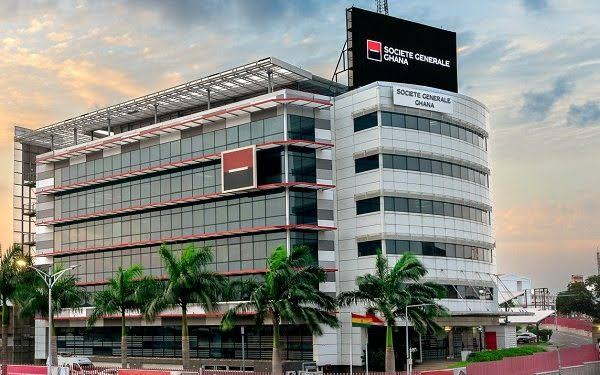
The Bank of Ghana has issued a “No Objection” to the proposed takeover of Société Générale Ghana by Morocco-based Attijariwafa Bank, marking a major regulatory milestone in a transaction that will see the French banking group exit Ghana after more than two decades. The approval, first reported by Joy Business and confirmed by Citi Business News, paves the way for Attijariwafa Bank to become the majority shareholder of the Ghana Stock Exchange-listed lender.
Sources familiar with the regulatory process said the Bank of Ghana’s decision was influenced by Attijariwafa Bank’s financial strength and its potential to support large-scale financing transactions in Ghana. The regulator also weighed the impact of a major international banking group’s entry on competition within Ghana’s commercial banking sector. Crucially, none of the existing shareholders, including Ghanaian shareholders, raised objections to the proposed takeover during the approval process.
Transaction Structure and SSNIT’s Expanded Role
Under the agreement announced on October 1, 2026, Société Générale Group will divest its entire 60.22% controlling stake in Société Générale Ghana. Attijariwafa Bank will acquire 55.22%, while the Social Security and National Insurance Trust will acquire an additional 5%. The additional acquisition will raise SSNIT’s shareholding from 19.36% to 24.36%, significantly boosting Ghanaian ownership in the bank.
SSNIT said the increased stake “represents a significant strengthening of its investment on behalf of workers and pensioners in Ghana” and “enhances the Trust’s position to safeguard and grow contributors’ retirement assets”. The pension fund also acknowledged the support of the Government of Ghana, particularly the Finance Minister, in securing the additional stake.
SEC Approval Still Required
Despite the Bank of Ghana’s clearance, the transaction is not yet fully completed. Because Société Générale Ghana is listed on the Ghana Stock Exchange—having been listed in 1995 under the name Social Security Bank—the deal requires approval from the Securities and Exchange Commission, particularly regarding the transfer of shares and other developments on the exchange. Completion of the outstanding regulatory processes will pave the way for the takeover to be finalised.
Job Protections and Management Commitments
Discussions surrounding the transaction have included commitments aimed at protecting jobs at Société Générale Ghana, with assurances secured to allow some senior management positions to remain under Ghanaian leadership. The ownership change is therefore expected to introduce a new strategic majority shareholder while maintaining the bank’s existing operations and workforce.
An Established Franchise with Strong Fundamentals
Attijariwafa Bank will inherit a well-established banking operation rather than building a Ghanaian presence from scratch. Société Générale Ghana operates a network of 40 branches and outlets across 24 cities, employing more than 500 people. At the end of 2025, the bank reported total assets of GHS9.7 billion, shareholders’ equity of GHS2.6 billion, net banking income of GHS1.36 billion and net profit of GHS397 million. Its market capitalisation stood at approximately GHS3.9 billion as of late September 2026.
Attijariwafa Bank: A Pan-African Powerhouse
Attijariwafa Bank, created in 2004 through the merger of Banque Commerciale du Maroc and Wafabank, is Morocco’s largest banking group and ranks third in Africa by Tier 1 capital and fifth by total assets. The group operates in 27 countries across Africa and Europe, with over 7,000 branches and more than 21,782 employees serving over 12 million clients. Its international retail banking segment contributed 32.8% to net banking income and 27.3% to group net profit in 2025. Attijariwafa Bank is listed on the Casablanca Stock Exchange with a market capitalisation of $17 billion as of December 2025.
The Ghana acquisition represents a strategic step into an Anglophone West African market for Attijariwafa Bank, which has traditionally built its African presence across North Africa and Francophone markets. Ghana’s position as host of the AfCFTA Secretariat could provide an additional strategic dimension to the entry.
Market Context
The transaction comes amid growing concentration of foreign ownership in Ghana’s banking sector. Bank of Ghana Governor Dr Johnson Pandit Asiama disclosed in September 2026 that foreign-owned banks now control more than 60% of the industry’s total assets, which stood at GH¢500.2 billion as of August 2026. The Governor noted that this level of concentration “may not be very, very optimal” from a strategic perspective and expressed a desire to see local banks increase their market participation. SSNIT’s increased stake in Société Générale Ghana aligns with this objective by advancing greater Ghanaian participation in the banking sector.
A Bank with Deep Ghanaian Roots
Société Générale Ghana traces its history to February 7, 1975, when it was incorporated as Security Guarantee Trust Limited, wholly owned by SSNIT. The bank was renamed Social Security Bank Limited in 1976 and granted a banking licence on September 17, 1976, officially opening to the public on January 17, 1977. It merged with the National Savings & Credit Bank in May 1994 and made a public offer of 30% of its shares in July 1995, listing on the Ghana Stock Exchange in October 1995.
Société Générale acquired a controlling 46.7% stake in 2003, increasing it to 51% through a tender offer later that year. The bank became SG-SSB Ltd in March 2004 and was rebranded Société Générale Ghana in March 2013. Subsequent rights issues in 2009 and 2016 raised Société Générale’s shareholding to 52.24% and 56.67% respectively, before reaching 60.22%—the stake now being divested.
What Next
With Bank of Ghana approval secured, attention now turns to the Securities and Exchange Commission for the remaining regulatory clearances. Once completed, the transaction will mark the end of Société Générale’s 23-year control of the Accra-based lender and signal Attijariwafa Bank’s formal entry into Ghana’s banking sector.