



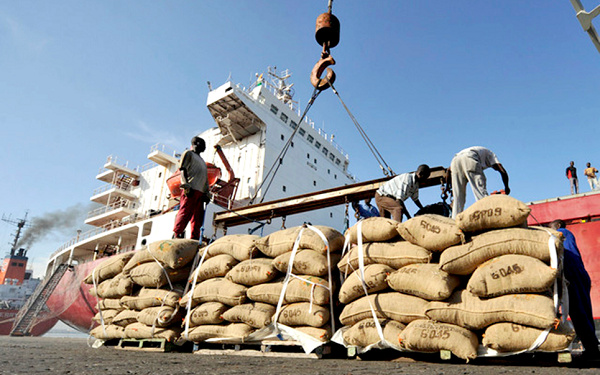
West Africa’s cocoa sector is on high alert as Ivory Coast, the world’s leading cocoa producer, reportedly considers a reduction in the price paid to its farmers. This move comes on the heels of a similar adjustment by neighboring Ghana, signaling a potentially significant shift in regional cocoa policy.
Together, Ghana and Ivory Coast control over 60% of the global cocoa supply. Consequently, pricing decisions made in these two nations have a profound ripple effect across international commodity markets. Following Ghana’s recent adjustment to its farm-gate prices, industry analysts indicate it was only a matter of time before Abidjan initiated a review of its own pricing framework.
According to sources familiar with the matter, discussions are currently underway involving Ivorian government officials, agricultural authorities, and key industry stakeholders. These consultations are aimed at navigating a complex web of pressures, including volatile global market prices, domestic economic challenges, and the need to secure the long-term sustainability of the nation’s most vital agricultural export.
The core challenge for policymakers is striking a delicate balance. On one hand, they must align domestic prices with international market realities to maintain competitiveness. On the other, they must safeguard the welfare of millions of smallholder farmers for whom cocoa is the primary source of income.
Cocoa farming forms the economic backbone of rural communities in both nations. A reduction in producer prices carries significant socio-economic risks, potentially squeezing household incomes, weakening rural economies, and threatening food security. Many farmers are already grappling with soaring input costs, including fertilizers, transportation, and farm maintenance.
Farmer groups and cooperatives have voiced concerns that an abrupt or poorly managed price cut could inflict long-term damage on the sector, making it harder for growers to sustain their farms and support their families.
However, governments contend that pricing decisions cannot be made in a vacuum. International cocoa prices are buffeted by a range of factors, including global supply and demand dynamics, the purchasing patterns of major chocolate manufacturers, currency fluctuations, and broader economic conditions. Officials argue that aligning domestic prices with these market trends is essential to ensure the sector’s stability and prevent future distortions.
Ivory Coast’s careful consideration of Ghana’s move reflects a growing trend toward policy harmonization among West African producers. By closely monitoring each other’s strategies, the two nations aim to maintain a united front and avoid undercutting one another in the global marketplace.
If implemented, the price reduction would mark a major policy pivot with far-reaching consequences. It is expected to reshape farmer expectations, impact national export revenues, and alter the dynamics of the regional cocoa trade. The decision could also trigger further dialogue among other cocoa-producing nations in the region seeking to protect their shared interests.
As the consultations continue, stakeholders are urging the Ivorian government to prioritize transparency, engage in meaningful dialogue with farmer representatives, and pair any pricing decision with supportive policies. The goal, observers note, must be to protect the livelihoods of the millions who depend on cocoa while ensuring the industry remains viable for generations to come.


