



Damang Gold Mine Limited (DGML) has recruited 180 workers from local catchment communities within just four months of taking over operations, with another 220 candidates progressing through various stages of the hiring process, according to company officials. The development marks an early test of the promise that indigenous Ghanaian ownership of the mine would translate into tangible local economic benefits.
The recruitment drive comes as DGML builds its workforce after formally assuming responsibility for the Damang Mine on April 18, 2026, following the transition of the asset from its previous foreign operator to Ghanaian ownership. The mine, located in the Western Region near Tarkwa, is one of Ghana’s oldest and most significant gold-producing operations, having been in production since the 1990s.
Recruitment Numbers and Positions
Of the nearly 400 candidates currently in the recruitment pipeline, 180 have already been engaged and are actively working at the mine. Another 135 candidates have been selected for various positions and are at different stages of the employment process, ranging from pre-employment medical examinations to orientation and induction programmes. An additional 85 candidates have completed interviews and are awaiting results. The positions being filled include maintenance roles, heavy-duty drivers, security personnel, and general hands—roles that are critical to daily mine operations but have historically been outsourced or filled by expatriates.
Community Response and the 60:40 Agreement
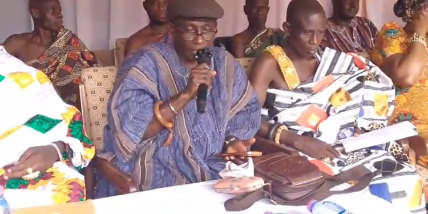
The recruitment has been warmly welcomed by chiefs, opinion leaders, and youth representatives in the mine’s catchment communities, who say the numbers offer early evidence that the transition to an indigenous Ghanaian operator could deliver on longstanding demands for greater local participation in mining sector opportunities.
Speaking at a press conference on behalf of the communities, the Chief of the Bosomtwi Divisional Council, Nana Kwabena Amponsah IV, expressed satisfaction with the employment figures. “We are particularly encouraged by the reported recruitment of more than 400 people within the first few months of operation, including opportunities for people from the catchment communities,” he said.
Nana Amponsah also commended the appointment and involvement of Ghanaian professionals in key positions within the operation, describing the development as evidence that Ghanaian workers and professionals can play meaningful roles at different levels of the mining industry. He noted that the communities were especially encouraged by an agreement between DGML and host communities stipulating that 60 per cent of the company’s employees will come from local communities, with the remaining 40 per cent sourced externally—including employees’ wards, corporate sources, and the broader Ghanaian workforce.
Background: The Damang Mine and the Transition to Indigenous Ownership
The Damang Mine, operated for decades by the South African company Gold Fields, was acquired by a Ghanaian consortium led by the Asante Gold Corporation in a landmark deal completed in early 2026. The transaction, valued at approximately US$300 million, was hailed by government officials as a victory for local content policies that seek to increase Ghanaian ownership and control over the country’s mineral wealth.
Asante Gold, which already operated the Bibiani Gold Mine in the Western North Region, had been pursuing expansion opportunities to solidify its position as Ghana’s premier indigenous gold producer. The acquisition of Damang added approximately 150,000 ounces of annual production capacity to Asante’s portfolio and provided a platform for deeper community engagement in the Western Region mining belt.
The transition has been closely watched by industry observers and policy makers, as it represents one of the largest transfers of a major mining asset from foreign to indigenous ownership in Ghana’s history. The success of the Damang transition could set a precedent for future acquisitions and shape the direction of Ghana’s local content policies in the mining sector.
Local Content in Ghana’s Mining Sector
Ghana’s Minerals and Mining Act of 2006, as amended, provides the legal framework for local content requirements, mandating that mining companies prioritise Ghanaian employment, procurement, and services. The Minerals Commission has set progressive targets for local participation, including requirements that at least 70 per cent of mine employees be Ghanaian, with management positions increasingly filled by locals.
Despite these policies, implementation has been uneven, with many mining communities complaining that foreign-owned operations have historically recruited from outside the catchment areas or relied on expatriates for skilled and supervisory roles. The Damang recruitment figures represent a significant departure from this pattern, offering a concrete example of how indigenous ownership might alter hiring practices.
Economic Impact and Community Development
Beyond direct employment, the local recruitment is expected to generate ripple effects in the surrounding communities. Workers’ incomes will flow into local economies through spending on housing, food, transportation, and other goods and services. Additionally, DGML has committed to a community development agreement that includes investments in infrastructure, education, and healthcare.
The mine’s catchment area includes several villages and towns that have historically relied on small-scale mining and subsistence farming. The formal employment opportunities offered by DGML provide a stable income alternative to the often hazardous and environmentally destructive activities of illegal mining, commonly known as galamsey.
Challenges and Sustainability
While the recruitment numbers are encouraging, challenges remain. The 220 candidates still in the pipeline must clear medical examinations and induction programmes before they can begin work, and some may not ultimately be hired due to health or other issues. Additionally, DGML will need to sustain its hiring momentum and ensure that local employees receive adequate training and opportunities for advancement.
There are also concerns about the long-term viability of the mine, which has faced declining grades and increasing production costs in recent years. Gold Fields had considered closing the mine before the sale, raising questions about whether Asante Gold can maintain profitable operations while fulfilling its community commitments.
A Promising Start
Despite these uncertainties, the early recruitment figures provide a tangible demonstration of the potential benefits of indigenous ownership. As Nana Kwabena Amponsah IV put it, the communities are “encouraged by the reported recruitment of more than 400 people within the first few months of operation.” The challenge now is to translate this initial enthusiasm into sustained economic empowerment and to ensure that the Damang Mine serves as a model for how local ownership can transform Ghana’s mining sector from a enclave industry into a genuine engine of national development.


