



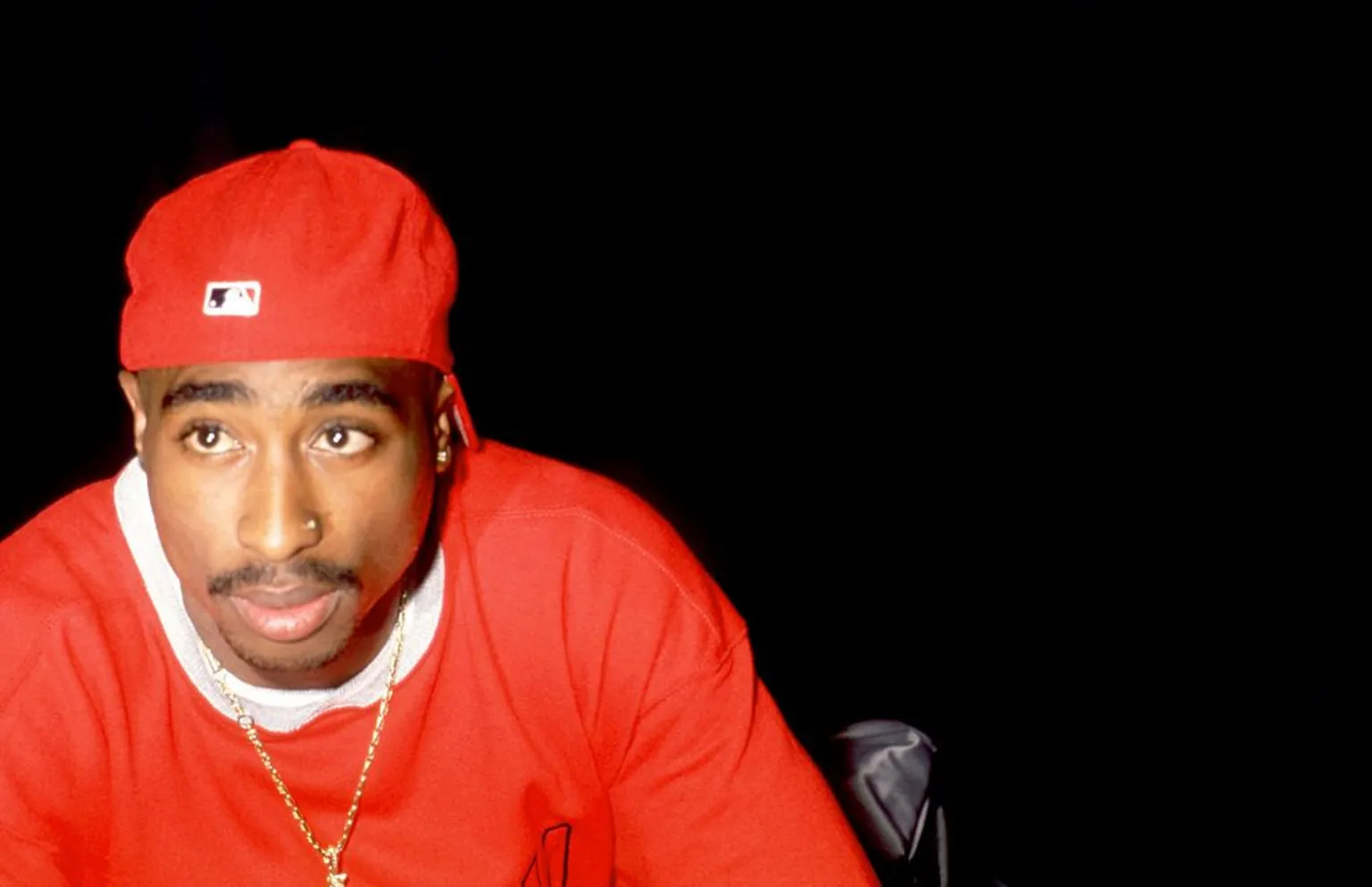
It has been exactly 30 years since the bullets struck Tupac Shakur on the Las Vegas Strip, turning the rap icon into a martyr and his death into one of popular culture’s greatest unsolved mysteries. This week, the man accused of orchestrating that killing finally faces a jury.
Jury selection commenced Monday in Clark County District Court for the trial of Duane “Keffe D” Davis, the 63-year-old former South Side Compton Crips gang boss charged with murder with a deadly weapon. Prosecutors allege the killing was committed to promote, further, or assist a criminal gang. Davis, who has pleaded not guilty, faces life in prison without parole if convicted. Opening arguments are slated to begin on 17 August.
The case, which has captivated the world for three decades, is set to unravel the intricate and deadly web of 1990s hip-hop – a bitter bi-coastal rivalry between Death Row Records and Bad Boy Records, immortalised in rap lyrics, and the violent turf wars between the Bloods and the Crips street gangs that fuelled them.
The Night That Changed Hip-Hop
On the night of 7 September 1996, Shakur and Suge Knight, the former CEO of Death Row Records, attended the Mike Tyson-Bruce Seldon boxing match at the MGM Grand. Surveillance footage captured Shakur and members of his entourage – alleged associates of the Mob Piru Bloods – violently attacking Orlando Anderson, an alleged member of the South Side Compton Crips.
Roughly three hours later, Shakur was riding in the passenger seat of Knight’s BMW when a white Cadillac pulled alongside them and opened fire. The rapper was struck four times and died six days later. He was 25.
Despite identifying Anderson as a suspect within weeks, Las Vegas police faced a wall of silence. Witnesses refused to cooperate, leads vanished, and a street code that forbade informing to police stalled the investigation for nearly three decades. Anderson was killed in an unrelated gang shooting in 1998, never charged.
A Memoir That Broke the Case
The breakthrough came not from forensic evidence, but from a book.
In 2019, Davis co-authored a tell-all memoir, Compton Street Legend, in which he claimed he was not only inside the Cadillac when the shots rang out but also the person who “tossed” the gun used in the killing into the back seat. He never claimed to be the trigger man, but his account positioned him as the architect of the retaliation – a response to the beating of his nephew, Orlando Anderson, hours earlier.
Davis had previously spoken to law enforcement in the mid-2000s, sharing his knowledge of the case in exchange for an informal agreement that he would not be charged. However, prosecutors successfully argued that by going public with his memoir and granting media interviews, Davis voided that deal. In September 2023, police raided his home, seizing computers, photographs, and Tupac-related memorabilia – including a Vibe magazine – before arresting him.
The Defense: ‘I Made It All Up’
Davis’s defence team has argued that the memoir is partially fictionalised, embellished for profit, and cannot be treated as a direct admission of guilt. In a recent interview with Fox 5 Las Vegas, Davis distanced himself entirely from the book, claiming, “I did not write that book. A ghost writer wrote that.”
He has also suggested he might take the stand in his own defence. “If I have to, I will,” he told the station.
Trial attorney Shaun Kent, speaking to the BBC, highlighted the unusual nature of the case. “This is what makes this case so fascinating. The two biggest pieces of evidence against Keffe D came from Keffe D,” he said. “Keffe D has the right to take the stand and say ‘I made all this up. I lied to sell copies of the book. I lied to the police. I’m a liar but I did not murder Tupac.'”
The Diddy Connection and a Star-Studded Witness List
Davis has publicly claimed multiple times that Bad Boy Records head Sean “Diddy” Combs offered him $1 million to kill Death Row rivals Shakur and Suge Knight. Combs, currently serving a 50-month prison sentence in New York on unrelated sex trafficking and prostitution convictions, has repeatedly denied any involvement in Shakur’s death.
Prosecutors have released a preliminary witness list with over 200 names, including members of Shakur’s family, former Las Vegas Mayor Oscar Goodman, and former LAPD Detective Greg Kading. Also on the list is Suge Knight – the last surviving direct witness to the shooting. Knight, the former rap impresario, has previously stated he would not testify. If he takes the stand, Kent described it as a monumental moment, noting, “This would be huge as he has never offered law enforcement any information that would lead to the conviction of anyone.”
A Cultural Reckoning, 30 Years in the Making
For three decades, Tupac’s murder has been shrouded in conspiracy, myth, and a gnawing sense that justice would never come. The trial now promises to be a legal spectacle that could finally untangle fact from fiction.
“This trial is going to be a legal scholar’s Super Bowl,” Kent added.
Shakur’s legacy, cemented by his 1996 double album All Eyez on Me, has only grown in the years since his death, elevating him from the face of gangsta rap to a global cultural icon. As jury selection proceeds and the countdown to opening arguments begins, the question lingering in the courtroom and across the world is whether – after 30 years – the man prosecutors say pulled the strings will finally be held accountable.


