



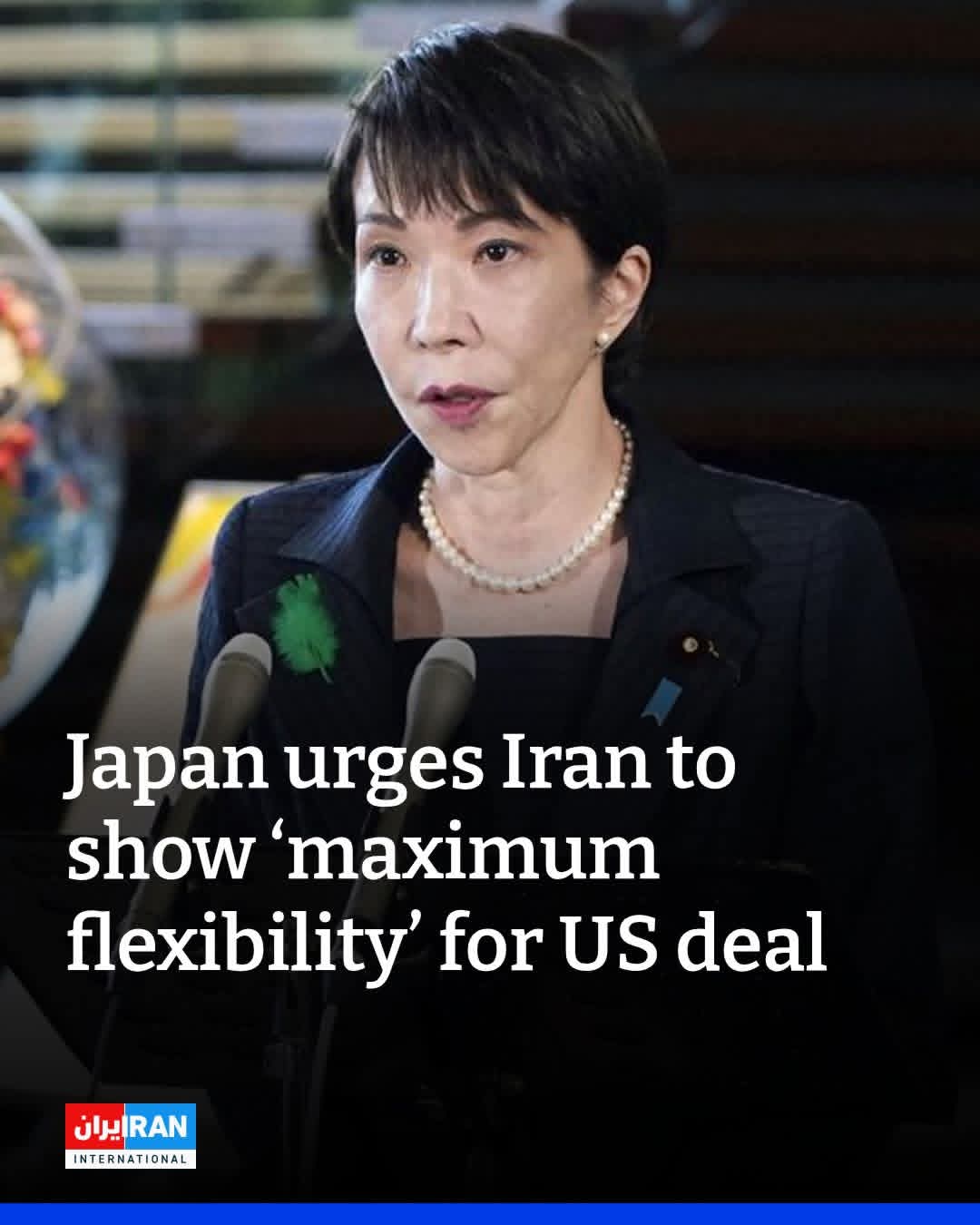
Japanese Prime Minister Sanae Takaichi held urgent phone talks with Iranian President Masoud Pezeshkian on Monday, pressing Tehran to demonstrate “maximum flexibility” to seize what she described as a critical opportunity for a ceasefire agreement with the United States .
In a press briefing following the call, Takaichi revealed that she also issued a strong demand for the immediate reopening of the Strait of Hormuz, emphasizing the necessity of ensuring free and safe navigation for vessels from Asian nations and the global community .
The Japanese leader did not elaborate on Pezeshkian’s specific response to these demands. However, she confirmed that both heads of state agreed to maintain close communication moving forward .
A Critical Energy Lifeline at Stake
The diplomatic outreach by Tokyo comes as the Strait of Hormuz—a critical chokepoint between the Persian Gulf and the Gulf of Oman—remains effectively disrupted amid ongoing hostilities . The waterway is a vital artery for global energy supplies, through which approximately 27% of the world’s crude oil and petroleum products maritime trade typically passes .
For resource-poor Japan, which relies heavily on Middle Eastern imports for crude oil and liquefied natural gas (LNG), the strait’s closure poses significant risks to energy security and economic stability . Reports indicate that nearly 95% of Japan’s oil imports transit through this strategic waterway .
The call marks the third such phone conversation between Takaichi and Pezeshkian since the broader conflict erupted in late February . According to analysts, Japan is seeking to position itself as a diplomatic mediator, leveraging its historic ties with both Washington and Tehran to help de-escalate tensions .
Broader Diplomatic Context
The appeal for flexibility follows a pattern of heightened diplomatic activity regarding the West Asian crisis. Reports indicate that the United States and Iran have been engaged in final calibrations over a draft memorandum of understanding (MOU) to end the war .
Media reports from both countries suggest that while both sides are seeking revisions to extend a ceasefire, disagreements persist regarding nuclear program provisions and the specifics of reopening the Strait of Hormuz .
Takaichi’s direct intervention highlights growing Asian concern over the economic fallout of the conflict, as surging energy costs and supply chain disruptions continue to weigh on business confidence across the region .


