



The owner of a Chinese kindergarten was sentenced to life in prison on Friday for her role in a lead-paint food poisoning scandal that sickened more than 200 children, in what has been described as the country’s worst food safety crisis involving children in nearly two decades.
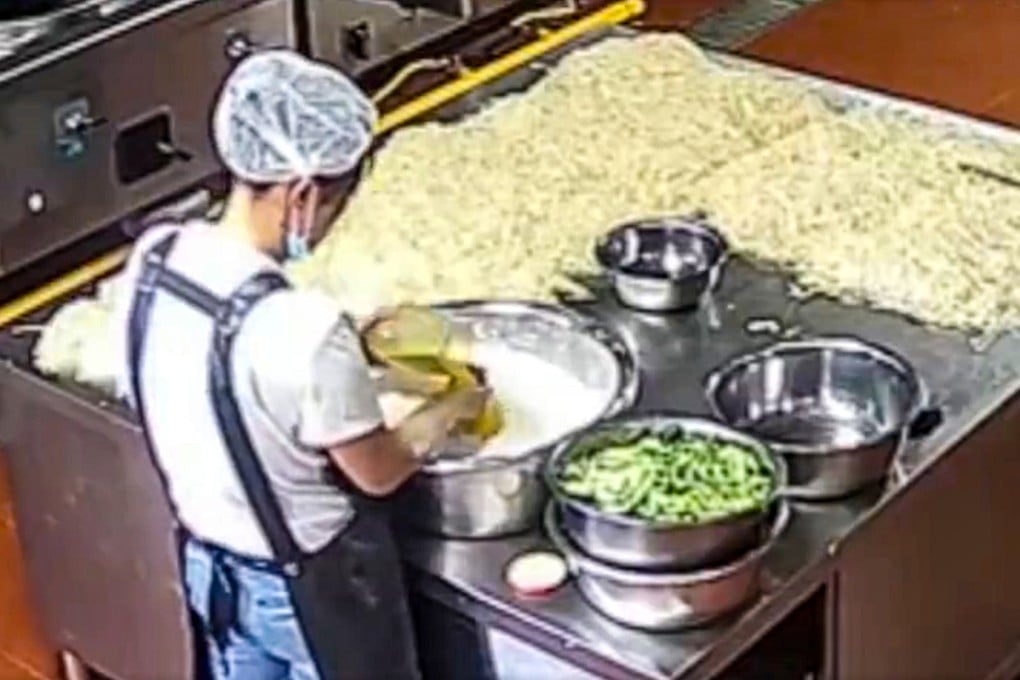
Li Huifang, the de facto operator of the Heshi Peixin Kindergarten in Tianshui, Gansu province, was convicted of producing and selling toxic and harmful food by the Lanzhou Intermediate People’s Court. The court found that Li and executive principal Zhu Jinglin instructed kitchen staff to mix inedible, lead-containing decorative paint into food to make it appear more colorful and attractive for marketing purposes.
Li was deprived of political rights for life and ordered to forfeit 500,000 yuan (about US$74,000) of personal assets. Zhu received a 15-year prison term and a 300,000 yuan fine. Four kitchen workers — Niu Aiyuan, Wen Yafang, He Xuxia and An Chunling — were sentenced to between six and eight years in prison, each with fines, for carrying out the instructions. All six defendants were found to have violated national food safety regulations under “particularly serious circumstances.”
The scandal surfaced in July 2025, but the poisoning had been ongoing for more than a year. According to a provincial investigation report, the tainted pastries were served to children and staff monthly starting in May 2024. Canteen staff purchased the paint online; its packaging was clearly marked as “not edible.” Laboratory tests later confirmed that food samples contained lead levels exceeding the national safe limit by more than 2,000 times. Separate Chinese-language reports put the contamination at up to 2,680 times the legal limit.
The health impact was severe and widespread. Of 251 children tested at the kindergarten, 247 were found to have abnormal blood lead levels; 28 of 34 staff members were also affected. Parents had begun raising alarms months earlier, reporting symptoms including leg pain, loss of appetite, stomach problems, nausea and diarrhea. Many families traveled to hospitals in neighboring Shaanxi province for testing and treatment.
By July 20, 2025, most of the affected children had completed their first course of treatment and been discharged. Experts recorded an average 40.21 percent decrease in blood lead levels following treatment, meeting projected therapeutic targets, according to official reports. The Gansu provincial government pledged full support for the children’s medical care.
The case has triggered broader official scrutiny. Provincial disciplinary authorities investigated 10 local officials, including the director of the provincial health commission and Tianshui city leaders. People’s Daily, the Communist Party’s flagship newspaper, said the scandal had “dealt a severe blow to food safety standards” and called for “zero tolerance” toward acts harming public health. The Central Political and Legal Affairs Commission also urged that illegal acts endangering food safety be “severely punished,” with a focus on school food.
The poisoning has drawn comparisons to the 2008 melamine milk scandal, in which an estimated 300,000 children were sickened after suppliers added an industrial chemical to powdered milk to artificially boost protein readings. For many families in Tianshui, the life sentences handed down on Friday close a legal chapter but leave lingering questions about how a kindergarten could serve industrial paint to children for more than a year without detection.


