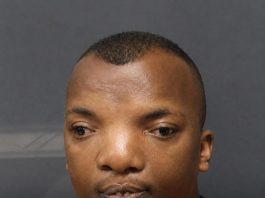
The teacher, identified by sources as a science tutor responsible for teaching Chemistry and Physics, was captured on camera in a compromising situation with the student—an incident that has since ignited widespread public debate about teacher conduct, student welfare, and the erosion of professional standards within Ghana’s educational institutions.
Investigation and Interdiction
School authorities at Bole Senior High School triggered internal disciplinary procedures immediately after the video surfaced online. A committee was reportedly scheduled to meet with the teacher on Monday, June 15, 2026, as part of efforts to establish the facts surrounding the incident.
The following day, the GES issued a formal statement confirming that the teacher had been interdicted pending the outcome of investigations. The statement, signed by Daniel Fenyi, Head of Public Relations at GES, strongly condemned all forms of amorous relationships between teachers and students.
“Management strongly condemns all forms of amorous relationships between teachers and students. The Service reiterates its zero-tolerance towards sexual misconduct and cautions all staff to uphold the highest standards of professional ethics and conduct at all times,” the statement read.
The GES further assured the public that appropriate disciplinary and legal action would be taken against any individual found culpable.
Student Claims and Community Reaction
The video, which has since gone viral across social media platforms, has generated intense public discussion and renewed concerns about student welfare within educational institutions. Many Ghanaians have expressed sympathy for the young woman at the centre of the controversy, with mental health advocates calling for counselling services for the student.
Some individuals who identified themselves as students of Bole Senior High School have alleged that the teacher involved had previously been accused of inappropriate conduct towards female students. These claims remain unverified, and authorities have yet to issue an official statement on the matter.
Residents of the Bole community have expressed shock over the nature of the allegations, calling for a thorough probe into the matter.
A Broader Pattern of Abuse
The Bole SHS incident is far from isolated. In recent years, Ghana has witnessed a troubling pattern of teacher-student sexual misconduct cases that have exposed deep flaws in the country’s education system.
In October 2025, a teacher at Okadjakrom Senior High Technical School in the Oti Region was interdicted after a video allegedly showed him engaged in a sexual act with a female student in his office. Around the same time, an assistant headmaster at KNUST Senior High School was relieved of his duties following the circulation of a video showing him fondling a female student. Another teacher in the Eastern Region was accused of manipulating a 15-year-old student into sending naked videos.
These incidents have led child rights advocates to argue that such abuse should not be viewed narrowly as isolated cases of individual misconduct. Rather, they point to a systemic failure that allows authority figures to exploit students with impunity.
The Root of the Problem
The recurring nature of these scandals raises fundamental questions about what drives educators to betray the trust placed in them. Many observers argue that the problem stems from a corrupt system where individuals enter the teaching profession not out of passion or vocation, but because of salary considerations.
The teaching profession in Ghana faces significant challenges. Teachers have reported going months without salaries, with some yet to receive payments nearly a year after assuming post. The GES has attributed these delays to expired financial clearance, documentation challenges, and recruitment anomalies.
Meanwhile, systemic corruption has plagued the education sector. The Auditor-General’s report revealed that some senior staff of the Ministry of Education and GES received unearned salaries, with headteachers validating payments for staff who had passed away. Payroll fraud has reportedly cost Ghana GHȼ50 million monthly. The President of the Ghana National Association of Teachers (GNAT) has warned that inadequate support for teachers contributes to corruption and undermines the education system.
When teachers are underpaid, undervalued, and burdened by a dysfunctional system, the professional standards that should guide their conduct are inevitably eroded. Those who enter teaching for the wrong reasons—driven by economic necessity rather than a genuine calling—are more likely to lose sight of their fundamental responsibility: to protect and nurture the students in their care.
A Call for Systemic Change
The Bole SHS incident serves as a stark reminder that Ghana’s education system requires urgent reform—not just in terms of accountability and disciplinary measures, but in addressing the structural issues that allow such abuses to persist.
Mental health advocates have called for support and counselling services for the student involved, arguing that the intense public scrutiny and online circulation of the video could have serious emotional and psychological consequences.
As the investigation continues, the GES has reiterated its commitment to ensuring the safety, protection, and well-being of all students within the educational system. The public awaits further updates as the probe progresses.
—Reporting from Bole, Savannah Region