
هذا المقال غير متوفر باللغة العربية بعد — نعرض لك النص الأصلي باللغة الإنجليزية.
Billionaire TikTok founder now the richest person in Asia, worth $105 billion — Gained $92 billion since 2019 thanks to AI
Zhang Yiming, the founder of TikTok parent company ByteDance, has overtaken Indian tycoon Gautam Adani to become the richest person in Asia, with a net worth of $104.8 billion, according to Bloomberg. Despite regulatory hurdles that nearly shut down TikTok in the United States, Zhang’s fortune has swelled to a staggering $105.5 billion. The entrepreneur…
بقلم Ralph Waldo Emerson
نُشر في مدة القراءة: 5 د
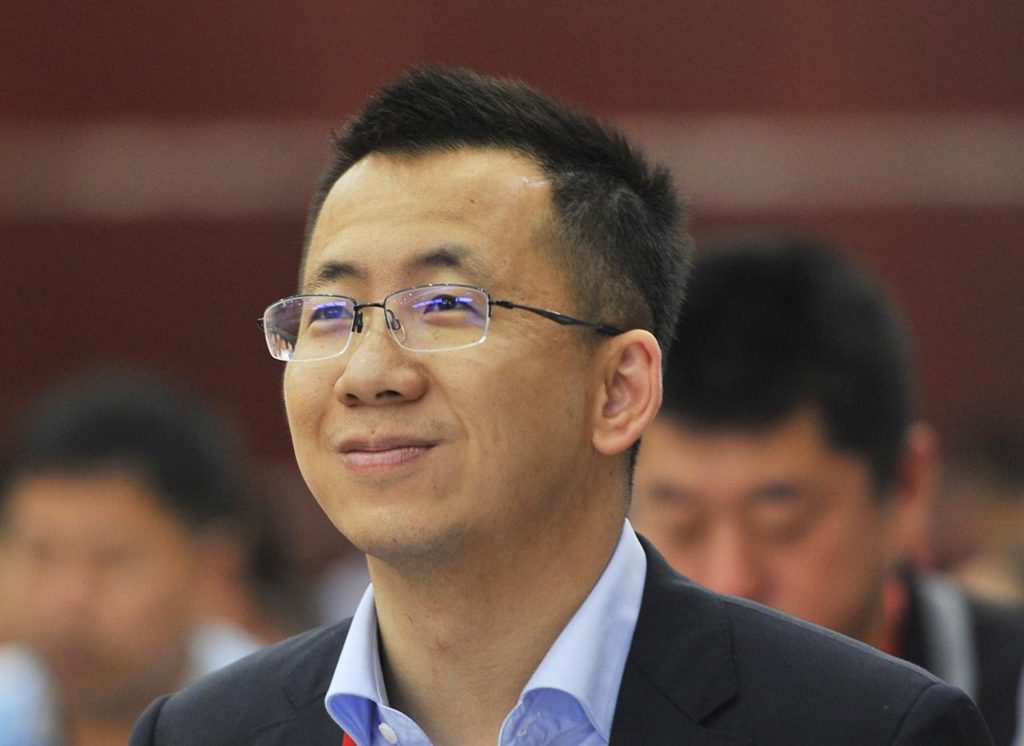
Zhang Yiming, the founder of TikTok parent company ByteDance, has overtaken Indian tycoon Gautam Adani to become the richest person in Asia, with a net worth of $104.8 billion, according to Bloomberg. Despite regulatory hurdles that nearly shut down TikTok in the United States, Zhang’s fortune has swelled to a staggering $105.5 billion.
The entrepreneur behind TikTok and its Chinese counterpart, Douyin, owns approximately 21% of ByteDance, and his net worth skyrocketed by $12 billion this month alone following new valuations from BlackRock and Fidelity. His riches are now nearly eight times greater than the $13 billion he had in 2019, when Bloomberg first began tracking his wealth.
How AI Fueled His Rise
Zhang won big on the AI boom by taking bold swings at the right time.
He developed ByteDance’s AI technology in the midst of the U.S.-TikTok standoff, and Bloomberg reporting indicates the company can leverage data from its social media apps to train its AI models. These advanced tech products may be the business’s biggest growth engines aside from the success of its video platform, which boasts over a billion daily active TikTok users and hundreds of millions on Douyin.
“He plays his cards right,” Lian Jye Su, chief analyst at research firm Omdia, told Bloomberg. “He stayed on course and then continued to double down on AI investment.”
Background on Zhang Yiming and ByteDance
Zhang Yiming, 43, founded ByteDance in 2012 in Beijing. A software engineer by training, he previously worked at Chinese tech companies including Kuxun and Fanfou before striking out on his own.
ByteDance launched Toutiao, a news aggregation app, in 2012, and followed with Douyin in 2016 and TikTok in 2017. The company’s flagship products have since become global phenomena, with TikTok becoming one of the most downloaded apps in the world and a cultural force that has reshaped social media, music and entertainment.
Zhang stepped down as ByteDance’s CEO in 2021 but remains a major shareholder and continues to influence the company’s strategic direction. He has largely stayed out of the public eye in recent years.
ByteDance has faced significant regulatory challenges, particularly in the United States, where TikTok’s future was uncertain for years amid national security concerns. In 2024, the U.S. Congress passed legislation requiring ByteDance to divest TikTok or face a ban. The company ultimately reached an agreement to restructure its U.S. operations while maintaining a stake.
Despite these challenges, ByteDance’s overall valuation has continued to soar, driven by TikTok’s advertising revenue and the company’s growing AI capabilities.
AI Is Minting New Billionaires and Sending Net Worths Soaring
Zhang’s rise is one of many examples of how AI is reshaping the billionaire ranks — creating new fortunes and rapidly growing the wealth of some of the world’s richest people.
Michael Dell, founder and CEO of Dell Technologies, nearly doubled his wealth in just one year thanks to the AI boom. The 61-year-old entrepreneur, who owns 40% of his tech company, has gained around $122 billion since this month in 2025, nearly doubling his wealth to $262 billion, according to the Bloomberg Billionaires Index. He is now the fifth richest man in the world.
During its Q1 fiscal 2027 financial results earlier this year, Dell reported better-than-expected quarterly adjusted earnings, which more than tripled from the year before as AI-optimized server revenue rocketed 757% to $16.1 billion. That helped Dell shoot past Meta CEO Mark Zuckerberg on the billionaires list.
Similarly, Google cofounder Larry Page overtook Amazon founder Jeff Bezos in net worth last year after unveiling a new AI product. Following the debut of Google’s latest AI model, Gemini 3, in December 2025, Page enjoyed a net worth surge of $6 billion in November 2025, sending his fortune soaring to $252 billion.
The innovation — seen as an improvement from Gemini 2.5 released around eight months earlier — ignited optimism from investors and analysts, causing Alphabet stock to jump 3%. In the months since, Page’s net worth has swelled to $293 billion, making him the second richest person in the world, according to Bloomberg.
AI Is Also Creating Young Billionaires
AI isn’t just accelerating the wealth of established bigwigs — it’s also adding young newcomers to the billionaire club.
Last year, the number of self-made billionaires under 30 hit an all-time high, according to an analysis from Forbes. The majority made their wealth by jumping on the AI industry while it’s hot.
For example, 25-year-old Sualeh Asif found success as the creator of Anysphere — the team behind the popular $29.3 billion AI editing tool Cursor. And Gen Zers Adarsh Hiremath and Surya Midha hit ten figures cofounding Mercor, an AI-powered recruiting startup helping connect talent with Silicon Valley’s biggest AI labs.
Of the 11 young entrepreneurs who became billionaires analyzed by Forbes, eight saw their fortunes boom through AI innovations.
What’s Next for ByteDance and Zhang
ByteDance remains one of the world’s most valuable private companies, with a valuation estimated at over $400 billion. The company continues to invest heavily in AI, including large language models, recommendation algorithms and generative AI tools.
Zhang’s wealth is expected to continue growing if ByteDance’s AI ventures succeed and TikTok maintains its global user base. However, regulatory challenges in the U.S., Europe and other markets remain a significant risk factor.
For now, Zhang’s rise from a relatively unknown tech entrepreneur to the richest person in Asia is a testament to the transformative power of AI — and the speed at which fortunes can be made in the technology sector.
About the Author
Emma Burleigh is a reporter at Fortune, covering success, careers, entrepreneurship and personal finance. Before joining the Success desk, she co-authored Fortune’s CHRO Daily newsletter, extensively covering the workplace and the future of jobs. Emma has also written for publications including the Observer and The China Project. She holds a joint master’s degree from New York University in Global Journalism and East Asian Studies.
شارك هذا الخبر
اشترك في النشرة الإخبارية لـ AfroAsia Media
أبرز أخبار اليوم من أفريقيا وآسيا، مباشرةً إلى بريدك الإلكتروني.




التعليقات
عدد التعليقات: 0
جارٍ التحميل…