



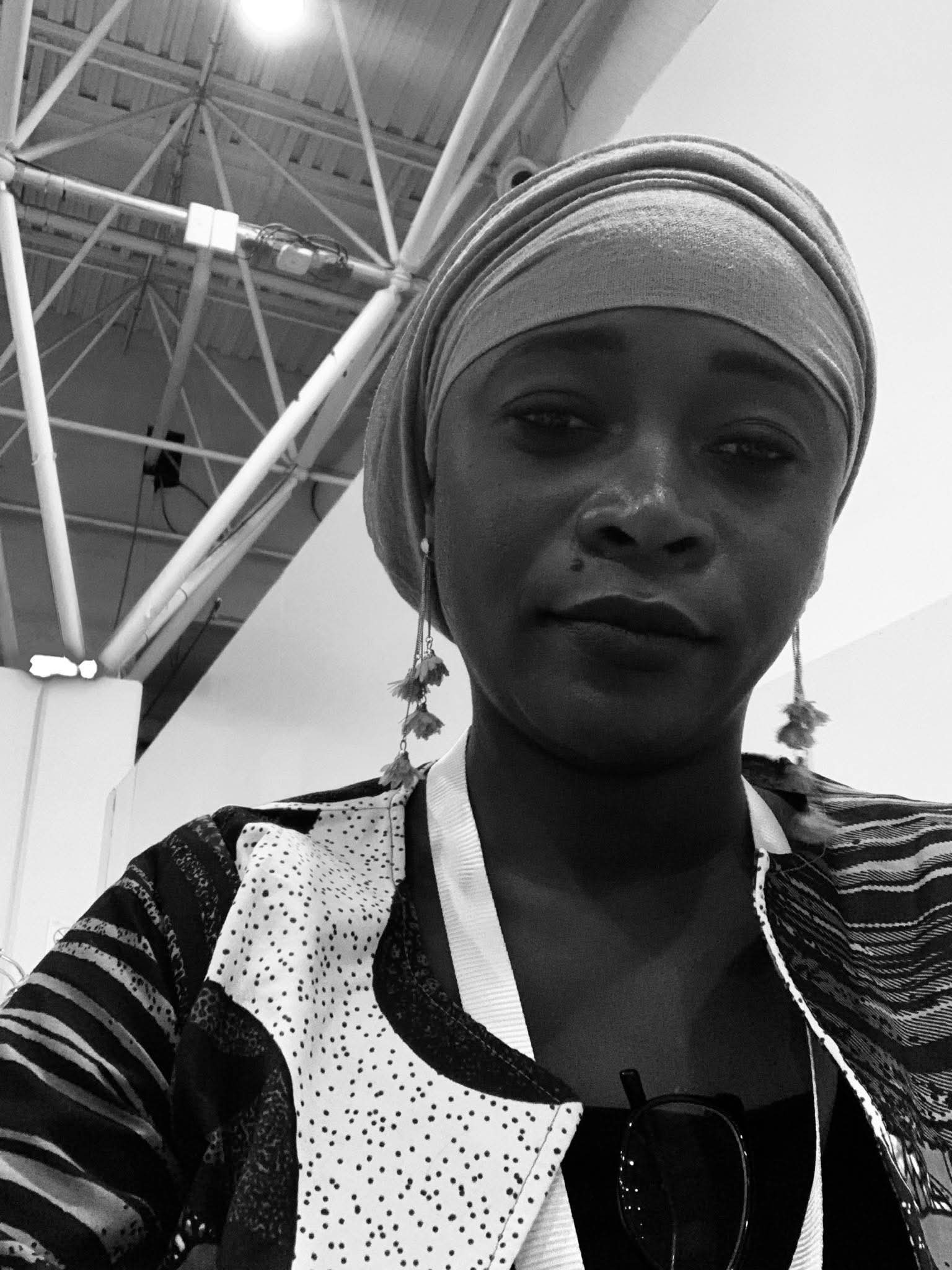
Award-winning Ghanaian-American filmmaker and women’s activist Leila Djansi has ignited fresh controversy with a fiery social media commentary, arguing that many churchgoers are sabotaging their financial futures by giving away money they desperately need, all while waiting for a “fantastic miracle.”
In a detailed Facebook post, Djansi, known for her outspoken critiques of religious exploitation, reframed the debate about lavish pastoral living. Rather than blaming wealthy pastors, she pointed the finger directly at the financial decisions of congregants.
“The problem is not the pastor,” she wrote. “The problem is that many people receive their income and divide it into three parts: the pastor, their bills, and themselves. At the end of the day, there’s nothing left to invest in their future or their children’s future.”
Djansi used a pointed hypothetical to drive home her argument: “You send tithes, offerings, and seeds to a pastor pulling in upwards of $2 million a year. Let’s say he uses $1 million for charity and keeps the other $1 million. That isn’t sin. That’s business. Church business,” she stated, noting that even Jesus spoke of the value of a shrewd manager.
A Tale of Two Givers
The filmmaker distinguished between the sacrificial giving of the poor and the calculated generosity of the wealthy. “A lot of wealthy people give from surplus. They give to offset taxes, build relationships, gain goodwill, and grow their businesses. They are not giving away money they need to survive,” she explained.
To illustrate her point, Djansi shared the story of a friend who works as a fuel attendant. “Every January, she gives her entire salary as first fruit. Most days, when business is slow, she sits on TikTok. One day I asked her what she did with her spare time. The answer was nothing,” Djansi recounted.
After a long conversation, her friend started a side business selling palm oil. “Today, she sells palm oil on the side. Instead of spending hours scrolling, she’s using social media to advertise her business,” Djansi shared. The filmmaker urged readers to learn skills and explore online opportunities like affiliate marketing and content creation, emphasizing that “none of it is instant wealth. It takes effort, consistency, and patience”.
A Call to Action Over Passive Faith
Djansi has been a vocal critic of what she calls the “monetisation of Christianity,” previously describing modern religious practices as “pimping Jesus for profit”. She has frequently lambasted the imbalance where “pastors enjoy salaries, gifts, and luxuries like houses and cars, while ordinary church workers are expected to await their reward in heaven”.
In her latest message, she turned her gaze from criticising the church to challenging the individual. “There is money to be made online… Have you gotten into the AI storytelling world?” she asked. “Shorts remain one of YouTube’s biggest growth engines. Film students and struggling filmmakers should be paying attention.”
She concluded with a blunt directive: “Go to Google. Type ‘passive income.’ Start learning. Build a skill. Start a side hustle. Invest in yourself. Wealth rarely appears by accident.”
“If you’re waiting for a fantastic miracle,” she warned, “you might be waiting forever.”
Who is Leila Djansi?
Djansi, born on July 17, 1981, is an award-winning filmmaker who began her career in Ghana at age 19. She has directed acclaimed films such as Sinking Sands and Like Cotton Twines, often focusing on women’s issues and social justice. Currently based in the United States, she continues to be a prominent voice on faith, finance, and empowerment.


