



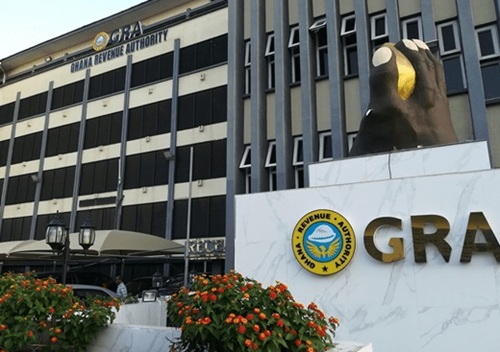
The Ghana Revenue Authority (GRA) has issued a firm reminder to all income earners, businesses, and self-employed individuals to file their income tax returns by the end of April, warning that defaulters will face financial penalties and possible prosecution.
The directive forms part of activities marking this year’s Tax and Good Governance Month, during which the authority is intensifying public education and enforcement measures to boost domestic revenue mobilisation.
In an interview with the media in Accra yesterday, the Commissioner of the Domestic Tax Division at GRA, Dr Martin Kolbil Yamborigya, stressed that filing returns is not optional but a legal obligation.
“Filing returns is a statutory obligation for all persons who earn income, and we expect full compliance before the end of April,” he said. “Beyond meeting a legal requirement, it allows taxpayers to benefit from reliefs and refunds while supporting national development.”
Penalties for non-compliance
According to the GRA, taxpayers who fail to meet the deadline will be liable to a penalty of GH¢500, in addition to a daily fine of GH¢10 for each day the default continues. The authority further warned that wilful default could lead to prosecution and a possible jail term.
The returns serve as a statutory declaration of income from business, employment, or investment, as well as the tax payable.
Digital filing system introduced
To ease the process, Dr Yamborigya said the GRA has rolled out a digital filing portal that allows taxpayers to submit their returns online using their Ghana Card details. The system automatically computes tax liabilities and allows applicants to claim reliefs, including those for child education, marriage, disability, and mortgage.
Taxpayers who have overpaid are also eligible for refunds upon filing, the commissioner noted.
Compliance gaps remain
Despite ongoing reforms, Dr Yamborigya acknowledged that compliance—particularly among individuals and operators in the informal sector—remains below expectations. While some tax categories record over 50 per cent compliance, the GRA is targeting levels above 85 per cent in the medium term.
“A significant proportion of informal sector operators are yet to register,” he said, calling for intensified education and enforcement.
Tax clinics and enforcement
As part of the campaign, the GRA has rolled out tax clinics, public education programmes, and media engagements nationwide to guide taxpayers through the filing process. The authority has also strengthened enforcement measures to ensure fairness and deter non-compliance.
The GRA reiterated that filing income tax returns is both a civic duty and a legal requirement, urging all eligible persons to act before the April deadline.


