



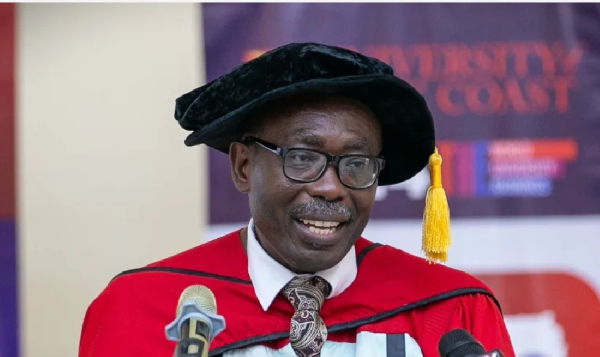
The Director-General of the Ghana Education Service (GES), Ernest Davis, has appealed for calm and a renewed commitment to peaceful dialogue following recent demonstrations by teacher groups across the country. The protests highlighted growing concerns over teacher welfare, working conditions, and other systemic challenges within the education sector.
In an official statement, Mr. Davis acknowledged the legitimacy of the concerns raised by educators, affirming their right to advocate for better conditions. However, he strongly urged teacher unions and their representatives to prioritise structured dialogue and official engagement channels to resolve disputes, warning that prolonged unrest could have detrimental effects on the academic calendar and student learning.
“The GES is committed to improving conditions within the education sector, and we are ready to work collaboratively with all stakeholders,” Mr. Davis stated. “However, it is crucial that disruptions to the learning environment are minimised, as the education of our students must always remain the top priority.”
The recent demonstrations have successfully drawn public attention to long-standing issues faced by teachers, including inadequate welfare provisions, delays in promotions, and concerns over the implementation of educational policies. While recognising the value of raising awareness, the Director-General cautioned that industrial action and public unrest often lead to unintended consequences, such as disrupting academic programmes and negatively impacting students’ preparedness for examinations.
He called on teacher leaders to maintain open lines of communication with the GES and government officials. “Negotiation and dialogue are far more productive than public unrest,” Mr. Davis emphasised. He reassured educators that the GES is actively working on planned meetings, consultations, and policy reviews designed to deliver long-term, sustainable improvements in the sector.
The Director-General’s appeal comes at a critical juncture, with the government already engaged in ongoing discussions with major teacher unions to review welfare packages, working conditions, and operational policies.
Stakeholders across the education sector are closely monitoring these developments, acknowledging the delicate balance required between advocating for teachers’ rights and ensuring the stability of the academic environment.
Mr. Davis concluded by reminding teachers of their indispensable role in national development. “Teachers are central to Ghana’s development, and their work impacts generations of students. While advocacy for better conditions is important, it must be conducted responsibly and in a manner that does not compromise educational outcomes,” he said.
Consultations between teacher unions, the GES, and government authorities are expected to continue in the coming weeks, with all parties aiming to reach mutually beneficial agreements that enhance teacher welfare while maintaining stability and continuity in Ghana’s education system.


