



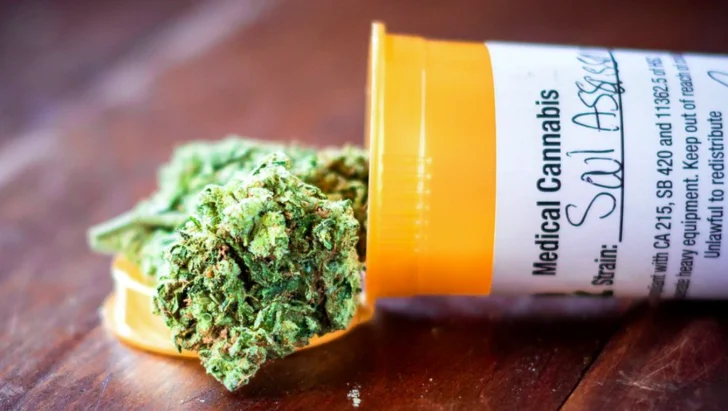
The Narcotics Control Commission (NACOC) has confirmed it will begin accepting applications for licences to cultivate cannabis for medicinal and industrial purposes, following parliamentary approval of outstanding regulatory instruments.
In a statement issued on February 11, 2026, the Commission announced that the necessary fee and cost structures have now been ratified, completing the legal architecture required to operationalise a licensing regime for cannabis with tetrahydrocannabinol (THC) content not exceeding 0.3 per cent.
The move marks a definitive step from legislative approval to administrative implementation. Although Ghana amended the Narcotics Control Commission Act in 2020 to permit cannabis cultivation for industrial and medicinal use, the sector remained dormant due to the absence of detailed regulations and an approved fee schedule. That hurdle has now been cleared.
Strict Conditions, Clear Boundaries
NACOC was emphatic, however, that the development does not signal broader liberalisation.
“The Commission reiterates that recreational use of cannabis remains illegal in Ghana,” the statement read, underscoring the distinction between regulated industrial activity and unlawful consumption.
Licences will be granted only to “qualified entities that meet stringent requirements,” including security protocols, product traceability systems, quality assurance standards, and full compliance with all applicable laws, the Commission said.
Warning Against Intermediaries
In a strong advisory, NACOC cautioned prospective applicants against engaging third parties purporting to facilitate the licensing process.
The Commission urged applicants to “deal directly and exclusively with NACOC through the Cannabis Regulations Department” and to avoid any individuals, groups, or associations claiming to offer licensing assistance.
Inter-Agency Coordination
NACOC indicated it would work closely with the Ministry of the Interior, the Ghana Standards Authority, and the Food and Drugs Authority to ensure effective implementation, monitoring, and enforcement of the new regime.
The Commission framed the initiative as a calibrated policy choice that balances economic opportunity with public safety obligations.
“We remain committed to safeguarding public health and safety while supporting lawful innovation and industrial development in Ghana,” it said.
Investor Interest Expected
The announcement is expected to draw significant interest from investors and agribusinesses, as Ghana positions itself to enter the global market for regulated low-THC cannabis products while maintaining tight restrictions on recreational use.


