



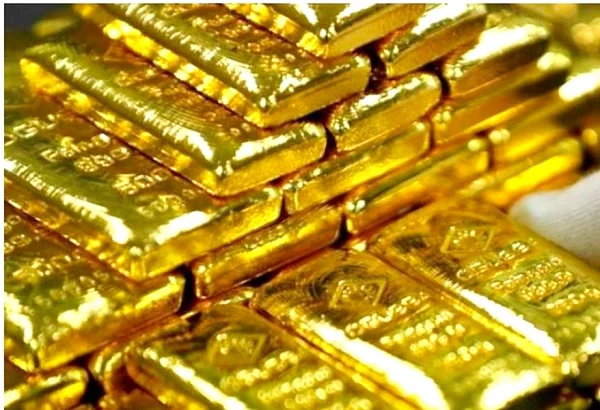
The Bank of Ghana has confirmed it reduced its gold reserves by approximately half, a strategic move officials say was necessary to diversify the nation’s international reserves and enhance liquidity and returns.
Governor Dr. Johnson P. Asiama explained the decision at the 128th Monetary Policy Committee press briefing, stating that gold’s share had grown to over 40% of total reserves, a concentration level the central bank deemed excessive. “The decision was made to diversify, and that is what you see,” Dr. Asiama said.
Under the new strategy, the Bank sold a portion of its bullion and reinvested the proceeds into income-generating foreign-currency assets. The Governor asserted that this shift has strengthened Ghana’s reserve position. “The effects that were aimed at are there. It is earning dividends and contributing to reserve accumulation,” he noted.
This significant reduction comes amidst a historic surge in global gold prices, with spot gold surpassing US$5,200 per ounce in recent weeks. Dr. Asiama addressed the timing, suggesting the rally might be temporary. “It is true gold prices have risen to record levels,” he said, adding that “what you see now may be more transitory and may not be permanent.”
The policy appears to have supported overall reserve growth. Ghana’s gross international reserves climbed to US$13.8 billion at the end of December 2025, providing 5.7 months of import cover, a substantial increase from US$9.1 billion a year earlier.
Dr. Asiama emphasized that the move represents a portfolio adjustment, not a full retreat from gold. He indicated that the central bank’s future asset allocation would continue to seek the structurally optimal mix for the nation’s economic needs.


