



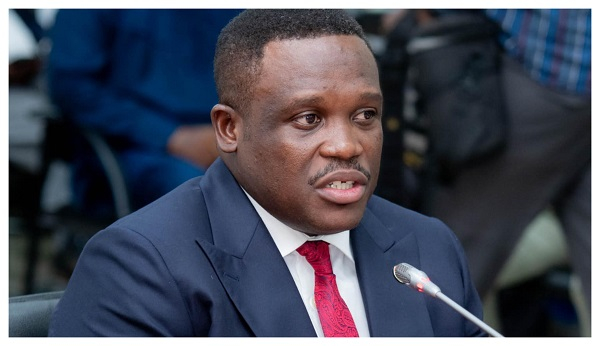
Ghana’s quest to become an industrialized nation is facing a severe threat not from global markets, but from failing domestic infrastructure. Sam Nartey George, the Member of Parliament for Ningo-Prampram, has issued a stark warning that persistent power and water supply constraints are undermining investor confidence and suffocating local businesses.
Speaking on the challenges facing the sector, the lawmaker described the current utility crisis as a critical bottleneck. “For Ghana to attract and retain industrial investments, basic utilities such as power and water must be reliable. Currently, businesses face unnecessary challenges that could be avoided with proper infrastructure and planning,” he stated.
The MP’s comments highlight a growing frustration among manufacturers and exporters who rely on consistent electricity to run machinery and a steady flow of clean water for processing. Frequent power fluctuations, colloquially known as ‘dumsor,’ and erratic water supply are forcing companies to absorb massive financial hits through production downtime and disrupted schedules.
The Cost of Instability
Industry experts corroborate the MP’s concerns, noting that utility reliability is a primary factor in investment decisions. Potential investors are reportedly looking toward neighboring countries with more robust infrastructure, posing a risk to Ghana’s ambition of becoming a manufacturing hub.
To survive, many Small and Medium-sized Enterprises (SMEs) and large manufacturing firms have been forced to make expensive contingency plans. Investments in backup generators, inverters, and massive water storage tanks have become the norm. While these measures offer a lifeline, they significantly inflate operational costs, eroding profit margins and making Ghanaian goods less competitive internationally.
A Threat to Jobs and Transformation
The ripple effects extend beyond the factory floor. The industrial challenges threaten the government’s broader agenda of job creation and economic diversification. Without urgent intervention, planned expansions could stall, limiting opportunities for the country’s skilled workforce and slowing the momentum of economic growth.
A Call for Coordinated Action
In his remarks, Sam George called for an immediate, coordinated response involving government agencies, utility providers, and industry stakeholders. He urged policymakers to move beyond rhetoric and invest in sustainable solutions.
Recommendations for revival include the urgent upgrading of the national energy transmission infrastructure, the rehabilitation of water distribution networks, and the implementation of robust contingency measures to minimize the frequency and duration of outages.
The MP’s warning serves as a clear message to the government: without securing the basic pillars of power and water, the vision of an industrial Ghana risks remaining an elusive dream. Restoring the reliability of these utilities is now imperative, not just for economic growth, but for restoring the confidence of the investors needed to build it.

