



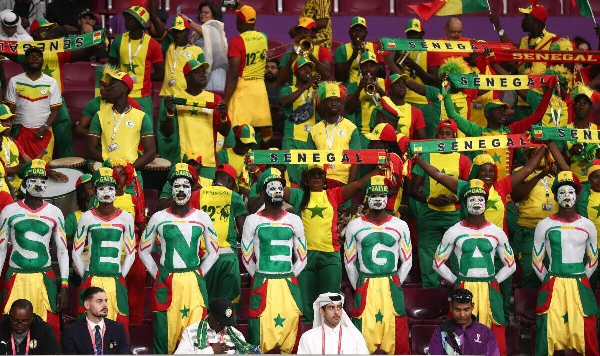
A significant financial barrier is threatening to prevent African football supporters from attending the 2026 FIFA World Cup, with reports indicating that some applicants may be required to pay a refundable visa bond of up to $15,000 to enter the United States.
The policy, rooted in U.S. immigration regulations, is designed to mitigate the risk of visitors overstaying their authorized period of stay. Under this system, applicants from countries deemed high-risk may be asked to post a bond during the visa application process. The amount typically ranges from $5,000 to $15,000, determined by individual assessments conducted during visa interviews.
The 2026 tournament is set to be jointly hosted by the United States, Canada, and Mexico and is expected to draw millions of international spectators. However, the imposition of such a substantial financial requirement has raised concerns that it could effectively exclude many supporters, particularly those from developing nations.
Critics argue that the policy disproportionately affects African fans, who already face considerable travel expenses, including match tickets, flights, accommodation, and other logistical costs. Adding a visa bond of this magnitude, they contend, makes attending the tournament financially unattainable for a broad segment of the continent’s football enthusiasts.
Observers also warn that the measure may undermine the inclusive spirit traditionally associated with the World Cup. The global event is widely regarded as a celebration of sport that brings together diverse cultures, and such financial hurdles could restrict participation from passionate fans who are unable to front the upfront cost.
Proponents of the policy, however, defend it as a necessary tool for enforcing immigration laws. They emphasize that the bond is refundable upon the visitor’s departure from the United States within the visa’s terms, characterizing it as a financial guarantee rather than a permanent expense. Authorities maintain that such measures are essential to preserving the integrity of the visa system.
The issue has sparked debate among football fans, policymakers, and sports industry stakeholders. Some have proposed alternative solutions, including special visa arrangements for verified ticket holders or those traveling through official fan programs, in an effort to balance security concerns with the goal of ensuring broad accessibility.
As preparations for the 2026 FIFA World Cup continue, the visa bond requirement remains a contentious topic. For many African fans, the policy represents a critical obstacle that could determine whether they are able to witness the tournament in person.

