



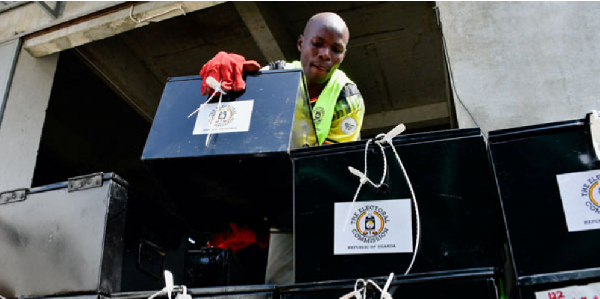
Uganda’s recent presidential election is facing a legal challenge at the East African Court of Justice (EACJ), with petitioners arguing that the electoral process violated regional democratic standards.
The Uganda Law Society has filed a petition before the regional court, seeking a review of the election’s compliance with the rule of law and governance principles enshrined in East African Community (EAC) treaties. The case questions whether the electoral process met the obligations expected of member states.
The election, held earlier this year, resulted in a victory for incumbent President Yoweri Museveni, extending his decades-long tenure. The outcome has been contested by opposition groups and civil society, who have raised concerns over transparency, fairness, and the political environment during the campaign period.
Petitioners argue that the case highlights alleged irregularities and restrictions on political activities. The decision to seek recourse at the regional level reflects a perception among critics that domestic legal mechanisms may not fully address their grievances.
Government officials have maintained that the election was conducted lawfully and that the results represent the will of the people.
Legal observers note that while the East African Court of Justice lacks the authority to annul election results, its rulings carry significant weight. A decision could influence future governance reforms and set a precedent for how electoral disputes are addressed within the region.
The case underscores the growing role of regional institutions in holding member states accountable to shared democratic standards. As proceedings continue, the court’s judgment is expected to draw close attention from across East Africa and could have broader implications for electoral integrity in the bloc.

