



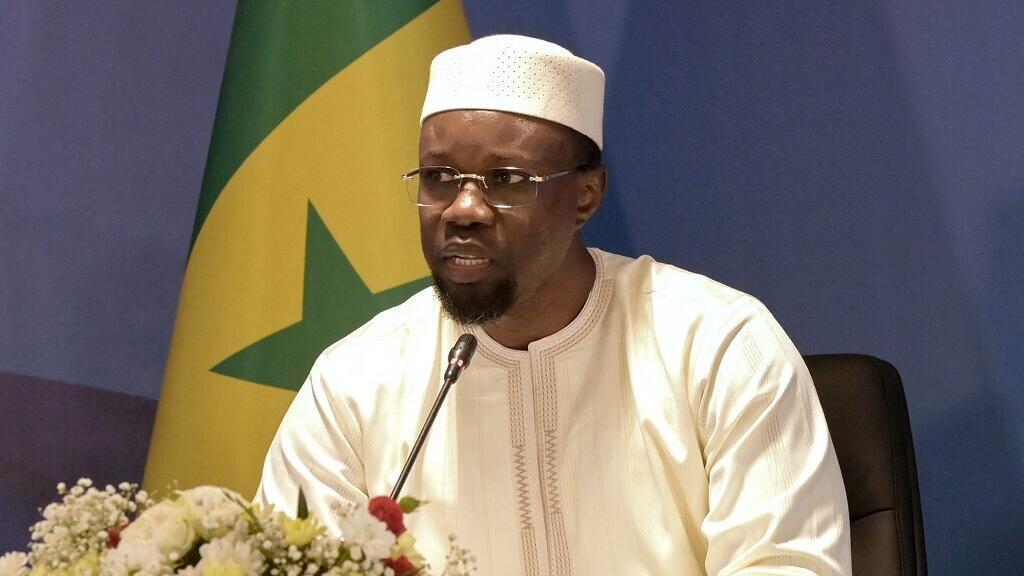
In a sweeping move to assert greater control over its natural resources, the Senegalese government has launched an aggressive audit of its extractive industries, revoking 71 mining licences and freezing the accounts of a major foreign-owned chemical company over an outstanding debt of approximately €380 million ($438 million).
Prime Minister Ousmane Sonko announced the measures this week as part of a broader review of the nation’s resource contracts, accusing foreign operators of engaging in “unfair contracts” that fail to serve the country’s economic interests. The actions signal a significant shift towards resource nationalism in the West African nation.
At the heart of the government’s grievances is the contract for the Greater Tortue Ahmeyim (GTA) liquefied natural gas project, a major cross-border development operated by London-based energy giant BP. Following a government audit, officials deemed the agreement heavily skewed in favor of the international partners, prompting a call for immediate renegotiation.
“The contracts that have been signed are unfair contracts, which we intend to discuss in detail,” Prime Minister Sonko said in a televised statement.
Simultaneously, the government has taken punitive action against Industries Chimiques du Sénégal (ICS), a subsidiary of Singapore-based Indorama Corporation. Authorities have frozen the company’s accounts until it settles a debt of €380 million owed to the state. The government has not specified the exact nature of the debt but has pointed to systemic overcharging on infrastructure projects—averaging 15%—as indicative of the financial pressures necessitating the reform.
These hardline tactics come as Senegal grapples with a strained economy. According to the International Monetary Fund (IMF), the country’s debt reached 132% of GDP by the end of 2024. An IMF lending program was previously frozen after a government audit uncovered discrepancies in the country’s reported debt figures.
Part of a Continental Shift
Senegal’s crackdown is the latest example of a growing trend of resource nationalism across Africa. Governments from the Sahel to southern Africa are increasingly challenging long-standing contracts with multinational corporations, demanding greater transparency and a larger share of profits from their mineral and hydrocarbon wealth.
Earlier this year, neighbouring Niger revoked operating licences for three mining firms for alleged non-compliance. Similarly, nations like Ghana, Zambia, and the Democratic Republic of Congo have introduced new regulations or renegotiated terms to capture more value from their resources amid rising global demand for critical minerals and fossil fuels.
Analysts suggest this wave of renegotiations is driven by a combination of factors: high domestic debt, a public demand for fiscal accountability, and intensifying competition among global powers for access to Africa’s raw materials.
Prime Minister Sonko has pledged that the review of contracts will continue throughout his term, with potential overhauls looming in the energy, mining, and infrastructure sectors.
BP has not yet issued a public comment on the government’s declaration regarding the GTA project. However, the message from Dakar to international investors is unmistakable. Senegal is demanding a fundamental rebalancing of its resource partnerships, asserting its sovereignty in a bid to secure what it considers a fairer deal for its people and its future.

