



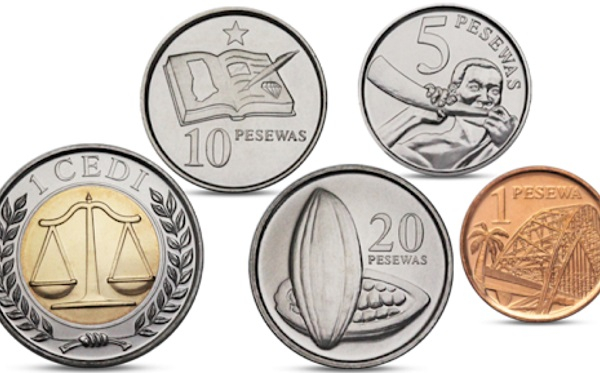
Financial experts are raising concerns over the growing refusal by traders and consumers to accept coins in daily transactions, warning that the practice could have negative consequences for Ghana’s economic stability.
Coins are a key component of the country’s monetary system, designed to facilitate small-value exchanges and ensure accurate pricing. However, lower denominations are increasingly being rejected, leading to disruptions in commerce and potential long-term economic effects.
One major concern is price distortion. When coins are not accepted, sellers often round up prices to the nearest banknote, forcing customers to pay more than the actual value of goods or services. Over time, this practice can contribute to gradual price increases, placing additional pressure on inflation and reducing consumers’ purchasing power.
The trend also disrupts currency circulation. Coins issued by the Bank of Ghana are intended to remain in active use, but widespread rejection causes them to disappear from circulation, leading to shortages. This forces the central bank to mint additional coins, increasing production costs that could otherwise be avoided if existing coins were properly utilised.
For businesses, the refusal to accept coins creates operational challenges. Traders, transport operators, and small-scale vendors frequently struggle to provide exact change, leading to disputes between buyers and sellers. In some cases, vendors resort to substituting goods for change, complicating transactions and reducing efficiency.
Experts also note that the practice affects public confidence in the currency. When coins are perceived as having little value, it undermines trust in the monetary system and encourages more people to disregard smaller denominations.
Authorities are being urged to intensify public education campaigns to encourage the acceptance and use of coins. Reinforcing policies that require all legal tender to be accepted may also be necessary to ensure coins continue to serve their intended purpose.
Observers stress that while rejecting coins may appear to be a minor issue, the cumulative effect can lead to significant economic challenges, including rising costs, inefficient transactions, and weakened confidence in the currency system.
Ensuring coins remain in active circulation, they add, is essential to maintaining a stable and efficient economy.

