



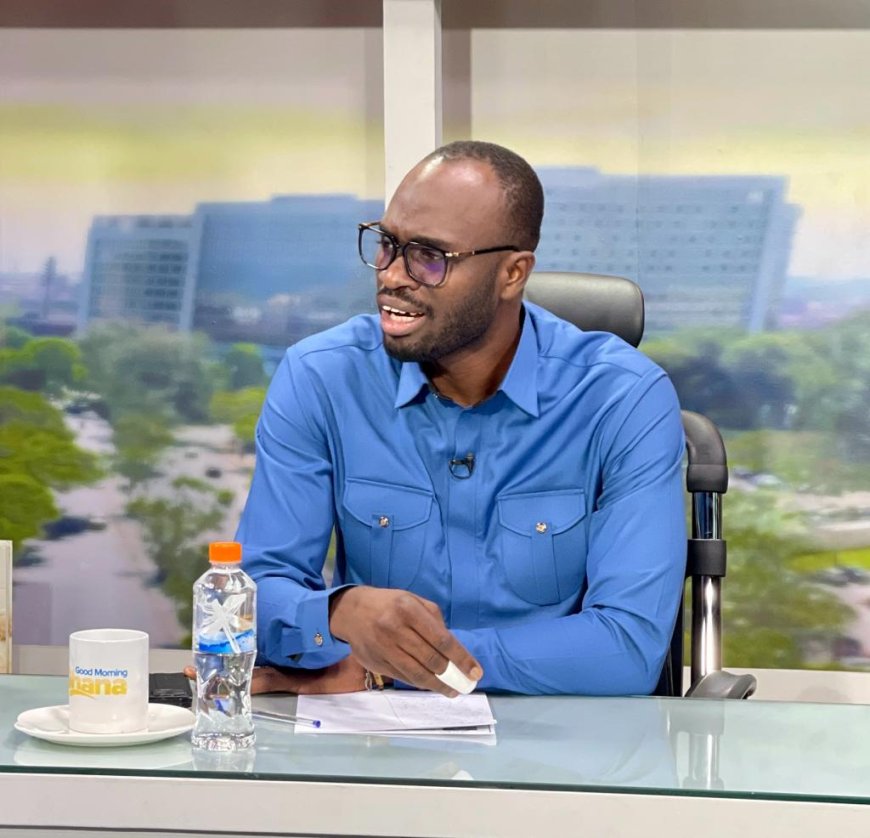
A policy analyst has sharply criticized the government’s handling of the recent Auditor-General’s report on state arrears, arguing that the revelations of financial malfeasance should trigger immediate prosecutions rather than a campaign of fear and intimidation.
Dr. Kabiru Tiah Mahama made the comments on Tuesday, March 10, during an interview on Eyewitness News. His remarks come in the wake of the Ministry of Finance presenting damning findings from the Auditor-General’s report on government arrears and outstanding payments as of the end of 2024.
“Although uncovering financial irregularities is important, authorities must ensure that individuals responsible for breaches of financial regulations are properly prosecuted,” Dr. Mahama stated.
He expressed concern that the government’s approach—highlighting the misdeeds publicly without pursuing legal action—risks being perceived as a tool for intimidation rather than a genuine accountability exercise. “Simply publicising the findings without taking legal action may give the impression that the exercise is intended to intimidate rather than enforce accountability,” he argued.
Dr. Mahama stressed the importance of balancing transparency with due process. He insisted that individuals accused of financial wrongdoing must be presumed innocent until proven guilty and should be given the opportunity to defend themselves in a court of law. “Due process must also be respected. Individuals accused of financial wrongdoing should be allowed to defend themselves in court before being portrayed as guilty,” he added.
Missing Rice and Rejected Claims
His comments directly reference specific, troubling findings from the Auditor-General’s report that were recently disclosed to Parliament by the Finance Ministry.
Among the most prominent issues is the case of approximately 10,000 metric tonnes of rice. The government reportedly paid for this food supply in 2024 to help mitigate the effects of a severe dry spell, but the stock has yet to be accounted for. This has raised serious questions about the management and distribution of emergency relief supplies intended for vulnerable Ghanaians.
The ministry also presented a detailed audit of contractor payments, revealing:
· A total of GH¢68.7 billion in claims from contractors and suppliers was reviewed.
· GH¢45.4 billion was verified and approved for payment.
· However, claims worth GH¢8.1 billion were rejected outright due to significant irregularities, including duplicate payments and lack of supporting documents.
· An additional GH¢13.3 billion remains under scrutiny, pending further verification due to incomplete documentation, missing contracts, or the absence of third-party confirmation.
Dr. Mahama’s intervention adds a powerful voice to calls for the government to move beyond exposing financial crimes and to begin the process of holding the perpetrators accountable through the courts.

