



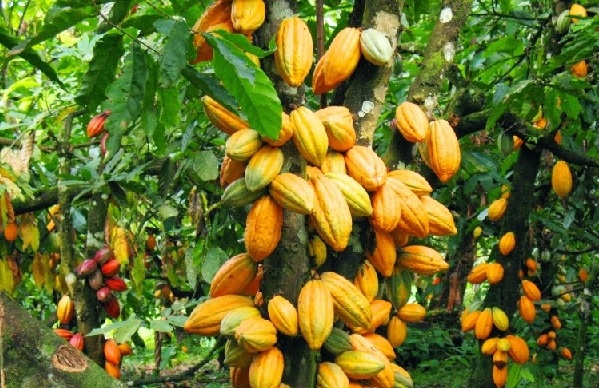
President John Dramani Mahama has convened an emergency session of Cabinet scheduled for Wednesday, February 11, to address a mounting crisis in Ghana’s cocoa sector. The announcement was made by the Minister of State in charge of Government Communications, Felix Kwakye Ofosu.
The urgent meeting follows widespread reports of delayed payments to cocoa farmers, a significant stockpile of unsold beans at the ports, and severe financing constraints plaguing Licensed Buying Companies (LBCs).
Industry sources indicate that thousands of farmers have not received payment for cocoa delivered since November 2025. The Minority Caucus in Parliament has disclosed that the Ghana Cocoa Board (COCOBOD) owes LBCs more than GH¢10 billion for purchased beans.
At a press conference on February 6, the Chief Executive of COCOBOD, Mr. Randy Abbey, acknowledged the difficulties. “Cocoa farmers deserve an apology,” Mr. Abbey stated, confirming that COCOBOD, the Ministry of Finance, and the government are collaborating to resolve the issues.
He revealed that while over 530,000 tonnes of cocoa have been sold this season, approximately 50,000 metric tonnes remain stranded at the ports without buyers.
The crisis is partly attributed to unfavorable conditions on the international market. Ghana currently pays farmers about GH¢58,000 per tonne. However, as of February 6, world market prices had fallen to around $4,200 per tonne—a 57% drop from the same period last year. This price is significantly below Ghana’s total production and export cost, estimated at $6,300 per tonne.
Compounding the problem is a shift in the sector’s financing model. The traditional syndicated loan arrangement was unavailable for the 2024/2025 season, leading to alternative financing structures, including a 60/40 arrangement and, later, an 80/20 model for the current season.
Wednesday’s emergency Cabinet meeting is expected to focus on immediate payment solutions for farmers and LBCs, a review of cocoa pricing mechanisms, and the development of sustainable, long-term financing strategies for the sector.

