



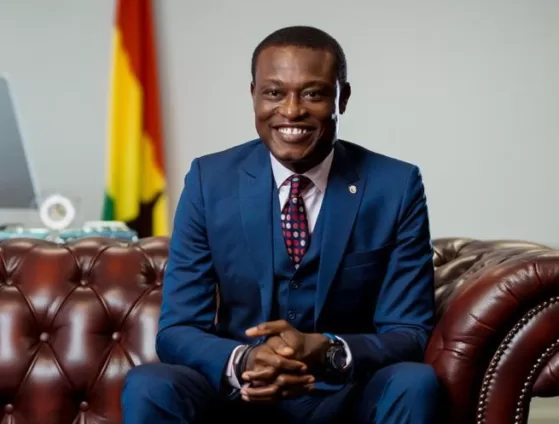
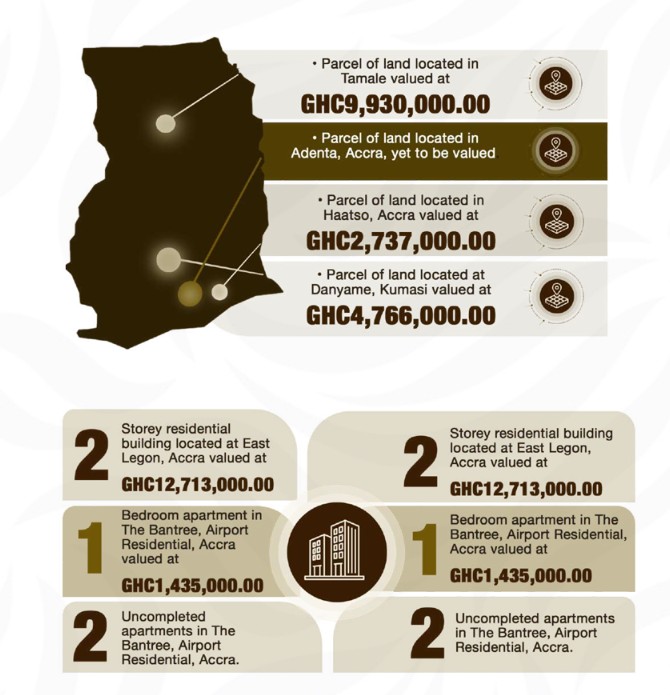
The Office of the Special Prosecutor (OSP) has mounted a strong defence of its relevance and value to the state, disclosing that its investigations and corruption-risk audits have saved Ghana more than twenty times the total funds released to the office since it was established in 2018.
In its newly released Half-Yearly Report covering July to December 2025, the Special Prosecutor, Kissi Agyebeng, sharply criticised a recent parliamentary attempt to abolish the office, describing it as a diversionary move driven by vested interests “justly threatened by accountability.”
The report directly counters claims that the OSP is a drain on national resources. Mr Agyebeng argued that despite operating under severe budgetary constraints and still being in its formative years, the office has more than justified its existence.
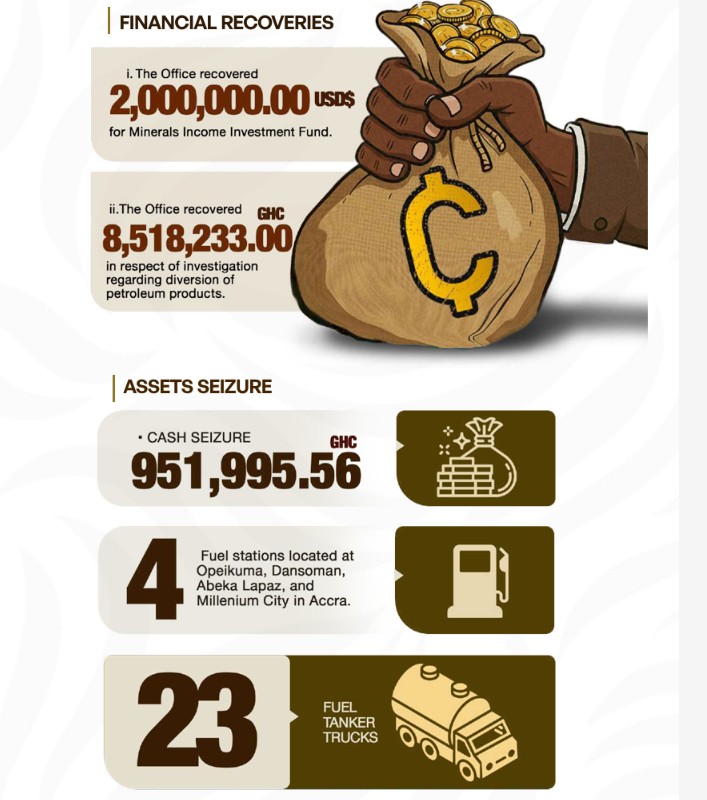
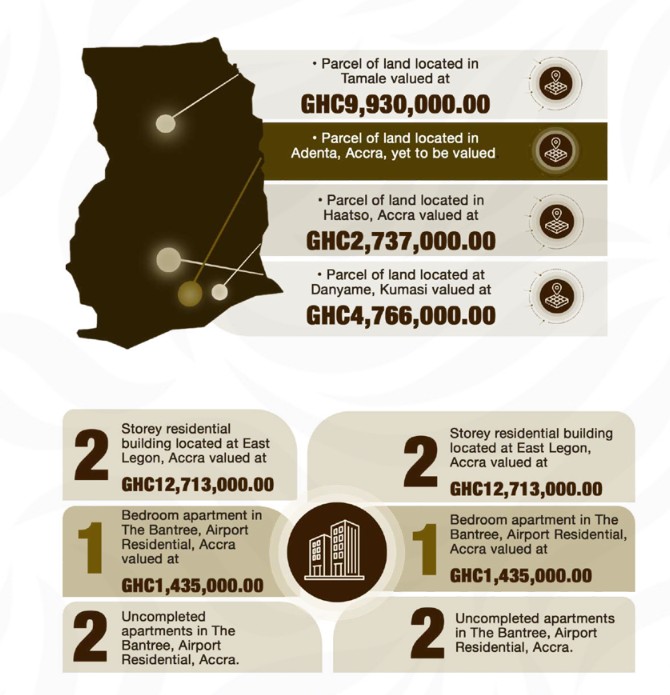
According to figures contained in the report, for every cedi invested in the OSP, the state has avoided losing more than 20 cedis through blocked fraudulent contracts, recovered assets, and the prevention of procurement breaches.
“It cannot be maintained by any form of argument that the Office has not performed as expected and that it is a drain on national resources,” the Special Prosecutor stated, adding that the office’s high-profile and groundbreaking investigations have delivered savings far exceeding its total funding.
The report recounts a period described as an “existential trial” for the OSP, following the introduction of a Private Member’s Bill in Parliament by Majority Leader Mahama Ayariga and Majority Chief Whip Rockson Nelson Dafeamekpor. The bill sought to repeal the OSP Act (Act 959) and return prosecutorial authority to the Attorney-General’s Office, citing alleged administrative inefficiencies.
The proposed legislation was later withdrawn after the intervention of President John Dramani Mahama, who described calls to shut down the OSP as premature. The President maintained that the OSP remains the only institution with the independence to prosecute members of a sitting government, noting that a Cabinet-appointed Attorney-General is “not well-suited” for that role.
As of January 2026, the OSP’s work includes several high-profile prosecutions and investigations. These include the case against former National Petroleum Authority (NPA) chief executive Mustapha Abdul-Hamid and others, ongoing probes into the Airbus SE scandal, payroll fraud investigations that saved the state over GH₵34 million in 2024, the Cecilia Dapaah case, and corruption-related proceedings involving former Finance Minister Ken Ofori-Atta.
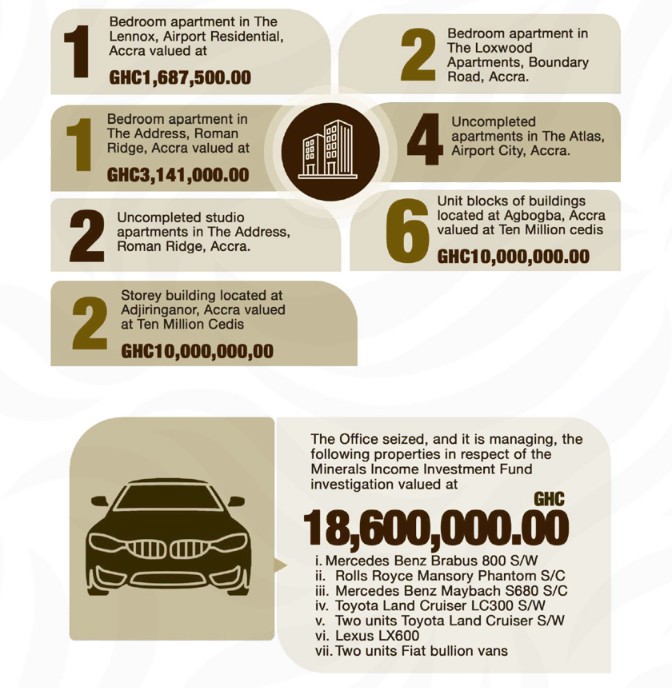
Mr Agyebeng stressed that the office does not shy away from scrutiny, pointing to its regular appearances before parliamentary committees. However, he warned that resistance to the OSP’s work is likely to intensify in 2026 as it expands its lifestyle audits and unexplained wealth investigations.
“The Office does not avoid accountability. It welcomes scrutiny,” the report concluded, while insisting that current attempts to dismantle the OSP ignore the agency’s actual performance and impact.

