



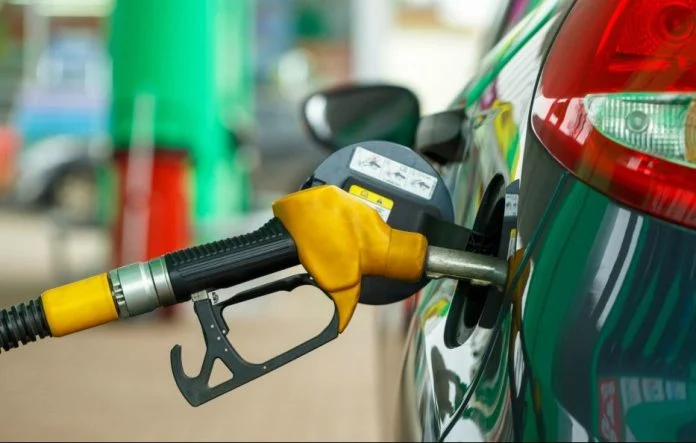
Oil Marketing Companies (OMCs) in Ghana have raised red flags over what they describe as unjustified price increases by Bulk Distribution Companies (BDCs), warning that these hikes are capitalising on the Middle East conflict before its actual impact has reached the local market.
According to the Chamber of Oil Marketing Companies (COMAC), the current fuel stock in the country was procured before the escalation of tensions in the Middle East. Therefore, any price adjustments linked to the war should not take effect until the next pricing window.
“What is worrying, and I will say it authentically, is when you have huge price thresholds at the trading level,” said Dr Riverson Oppong, Chief Executive Officer of COMAC, during an interview on Citi FM on Monday. “This morning I have some of my members complaining that seven is selling at ten.”
Dr Oppong explained that Ghana operates a bi-weekly petroleum pricing mechanism. The current window, which runs until March 15, is based on products that were already priced and imported prior to the recent upheavals in global oil markets.
“For this window from March 1 to the 15th, the products had been priced prior to entering this particular bi-weekly window. Even if there should be any effect of pricing, it should take effect from the 15th of March,” he clarified. “Nobody imported crude oil products at the time when this war started.”
COMAC warns that these “artificial” price adjustments at the wholesale level are inconsistent with national petroleum pricing policies and threaten to undermine government efforts to shield consumers from global market volatility. Dr Oppong stressed that such actions could force OMCs to pass on these unplanned costs to the public immediately, a move he believes is both unethical and avoidable.
“That artificial increase or professional selling by the BDCs is what we are discussing now because it is not organic. It is against the pricing policy we have in this country,” he stated. “Otherwise, we at the OMC level would be forced to increase our prices this week, which is not the right thing to do.”
Regulator Steps In
Dr Oppong acknowledged the swift response of the National Petroleum Authority (NPA), which has already begun engaging industry players to prevent what he termed an attempt to “cash in on the war.”
“I’m very happy with the way NPA has been very proactive,” he added.
Supply Security Remains Stable
Despite the pricing tensions, government officials have moved to assure the public that Ghana’s fuel supply remains robust. Dr Yussif Sulemana, an energy analyst at the Ministry of Energy, confirmed that the country currently holds approximately five to six weeks of fuel stock, with additional shipments expected to extend that buffer significantly.
“We are not immediately threatened by supply availability,” Dr Sulemana stated. “What we are immediately threatened with will be the price.”
With global crude prices having crossed the $100 per barrel mark, Dr Sulemana noted that the government is actively monitoring the situation. He outlined that authorities are prepared to consider various interventions, including market-determined pricing, targeted subsidies, or leveraging local refining capacity to mitigate potential shocks.
In the long term, he added, the government is focused on strengthening domestic infrastructure, including the revival of the Tema Oil Refinery, to better insulate Ghana from international market disruptions.

