



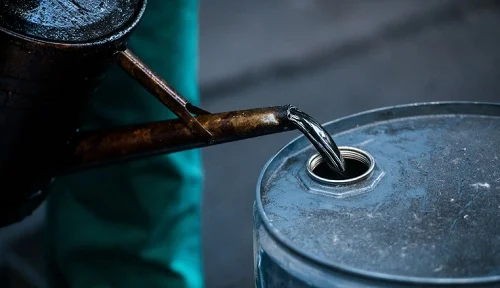
Global oil prices have catapulted above the $100 per barrel mark for the first time in nearly four years, triggering fears of a fresh inflationary spiral as the escalating conflict in Iran threatens to choke off a significant portion of the world’s crude supply.
Benchmark Brent crude skyrocketed by 17% to trade at over $108 a barrel on Monday morning, having briefly spiked to nearly $120—levels not witnessed since the summer of 2022. The historic surge follows a dramatic escalation in the Middle East, where Iran has effectively closed the Strait of Hormuz, a vital maritime chokepoint through which approximately a fifth of the world’s total oil consumption passes.
The crisis deepened after Iran named a hardline successor to its late supreme leader, signaling an end to any prospect of de-escalation. Military strikes have since targeted regional energy infrastructure, with Tehran’s forces blocking the strait in a direct challenge to global powers.
Global Markets Tumble, G7 Ministers to Meet
Financial markets are bracing for a wave of selling. Japan’s Nikkei 225 index plummeted 5% in overnight trading, and analysts are predicting heavy losses across London’s FTSE and other European indices when markets open.
In response to the unfolding crisis, UK Chancellor Rachel Reeves is expected to join an emergency meeting of G7 finance ministers later today. Sources indicate the ministers will discuss a coordinated release of petroleum reserves, facilitated by the International Energy Agency (IEA), in an attempt to stabilize the spiraling market.
Chris Beauchamp, chief market analyst at IG, described the situation as the market’s “biggest crisis since Liberation Day, and arguably since Covid.”
“The hubris of the US move on Venezuela has been followed by nemesis in its attack on Iran,” Beauchamp said. “The election of a hardliner as Iran’s supreme leader just makes a ceasefire less likely… we are now looking at a vastly increased chance of a US and global recession as inflation surges.”
Beauchamp warned that a release of strategic reserves would only provide “temporary relief,” as it is “dwarfed by the loss of oil output from the Hormuz closure and the shutdown of production in the region.”
Pain at the Pump for Motorists
The price of crude oil has now climbed roughly 60% since the war in the Middle East began. This surge is rapidly translating into higher costs for consumers.
According to the RAC, the average price of a litre of petrol at UK forecourts stood at 137 pence on Friday. However, prices have jumped nearly 4 pence since February 28. Diesel prices have seen an even steeper rise, climbing almost 6 pence to an average of 148 pence—a 16-month high.
Analysis from the Energy and Climate Intelligence Unit (ECIU) suggests the situation could deteriorate further. Their research indicates that with oil at $100 a barrel, petrol prices could hit 150 pence per litre. Should oil climb to $120 a barrel, motorists could face paying as much as 170 pence per litre.
Energy Security Threatens UK Homes
The crisis extends beyond oil, threatening the UK’s energy supplies and home heating costs. Wholesale gas prices have also soared after QatarEnergy, the state-backed energy giant, halted production of liquified natural gas (LNG) following attacks on its facilities. Kuwait has reportedly followed suit.
The disruption to global gas supply is expected to feed directly into higher electricity prices and increased costs for heating homes, adding to the financial strain on households already grappling with the rising cost of living.

