



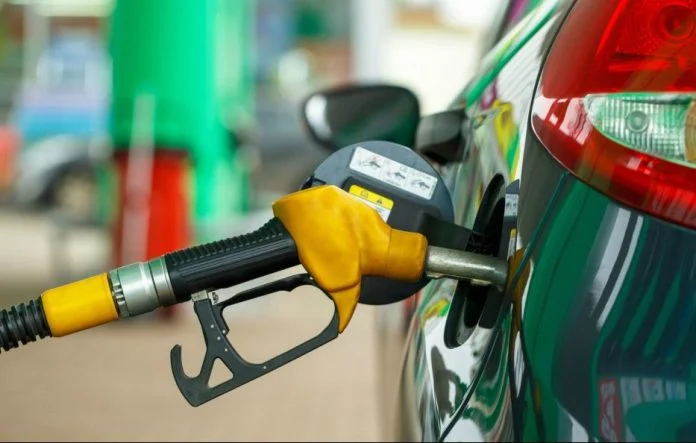
Two leading downstream petroleum sector think tanks are predicting a sharp rise in local fuel prices from Monday, driven by escalating conflict in the Middle East. They are calling on the government to urgently intervene by removing or suspending specific taxes and levies to cushion Ghanaians from the full force of the global supply shock.
The Centre for Environmental Management and Sustainable Energy (CEMSE) and the Chamber of Petroleum Consumers (COPEC) warn that with international crude prices soaring due to the ongoing US-Israel conflict with Iran, the pressure on domestic pump prices is inevitable. They argue that the current tax burden on fuel—estimated at over GH¢4 per litre—provides a buffer the government can immediately utilise.
By Maclean Kwofi
Mar – 12 – 2026
According to the experts, consumers currently pay approximately GH¢4.27 per litre on petrol and GH¢4.25 per litre on diesel in taxes, levies, and margins. They specifically point to the GH¢1 Energy Sector Shortfall and Debt Repayment Levy, introduced under the Energy Sector Levy Act, as a charge that may have outlived its purpose and could be temporarily removed to moderate prices.
“We must critically assess the volatile nature of the market. If the trend continues, fuel could hit above GH¢16 per litre,” warned Benjamin Nsiah, Executive Director of CEMSE. “If about GH¢2 per litre were removed from the price build-up, pump prices could drop to around GH¢13 per litre, which would remain within the purchasing ability of most Ghanaian consumers.”
Currently, petrol is selling for an average of GH¢11.40 for regular and GH¢13.30 for premium, while diesel averages GH¢12.42 per litre. A spike past GH¢16 would represent a significant jump, placing further strain on households and businesses.
Global Context Fuels Local Fears
The warning comes against a backdrop of extreme volatility on the international oil market. Initial strikes by US and Israeli forces late last month triggered a sharp increase, with Brent crude briefly spiking to nearly $120 per barrel on Monday, March 9—its highest level since Russia’s 2022 invasion of Ukraine. While prices have since eased to just over $90, they remain significantly above pre-conflict levels.
Mr. Nsiah also called on the Bank of Ghana to increase its foreign exchange auction support to Bulk Distribution Companies (BDCs), enabling them to access more affordable dollars for fuel imports. He further suggested that the government leverage windfall gains from Ghana’s upstream petroleum sector—with crude prices now trading well above the benchmark—to offset some of the downstream levies.
Beyond Short-Term Fixes: A Call for Structural Reform
While the immediate focus is on tax relief, both think tanks stress that this is only a temporary solution to a deep-seated structural problem.
Duncan Amoah, Executive Secretary of COPEC, emphasised that Ghana’s vulnerability stems from a chronic lack of domestic refining capacity, inadequate bulk storage, and the absence of a strategic national reserve. This forces the country to rely on imported fuel, leaving it exposed to every global price tremor.
“You can mitigate the impact by the tax measures you decide to go down on, but the truth is the impact would hit everybody globally,” Mr. Amoah stated. “Especially, when we haven’t even planned for it.”
He urged the government to make long-overdue investments in the Tema Oil Refinery (TOR) and other private facilities to boost local production. Crucially, he proposed the establishment of a national strategic storage reserve fund. This would allow Ghana to purchase fuel when international prices are low and draw from the reserves during periods of crisis, effectively insulating the local market from the worst of global price spikes.
“We should be able to buy and store as a country,” Mr. Amoah explained. “So that if prices rise again, you can use the reserves you bought and even sell at a moderate price. You won’t be clueless.”
Both CEMSE and COPEC agree that while removing taxes offers immediate, much-needed relief, the country’s long-term energy security depends on building a resilient, self-sufficient petroleum sector and accelerating the transition towards renewable energy sources.

