



The December 2025 National Tracking Poll by Global InfoAnalytics presents a broad snapshot of Ghana’s political, economic, and social climate as the year ends, revealing widespread optimism alongside deep partisan divisions and growing calls for systemic reform.
The survey, which covered 13,495 voters across all 16 regions and 83 constituencies, found that 66% of voters believe Ghana is moving in the right direction—a sentiment consistent with the previous quarter and shared across every region. Confidence was strongest in the Upper West (81%) and Savannah (79%) regions, while 45% of voters in the Ashanti Region also expressed optimism.
Despite this positive outlook, perceptions remain sharply divided along party lines. While 91% of NDC supporters believe the country is on the right path, 61% of NPP supporters say Ghana is heading in the wrong direction. Floating voters largely align with the optimistic view, with 68% saying the nation is progressing.
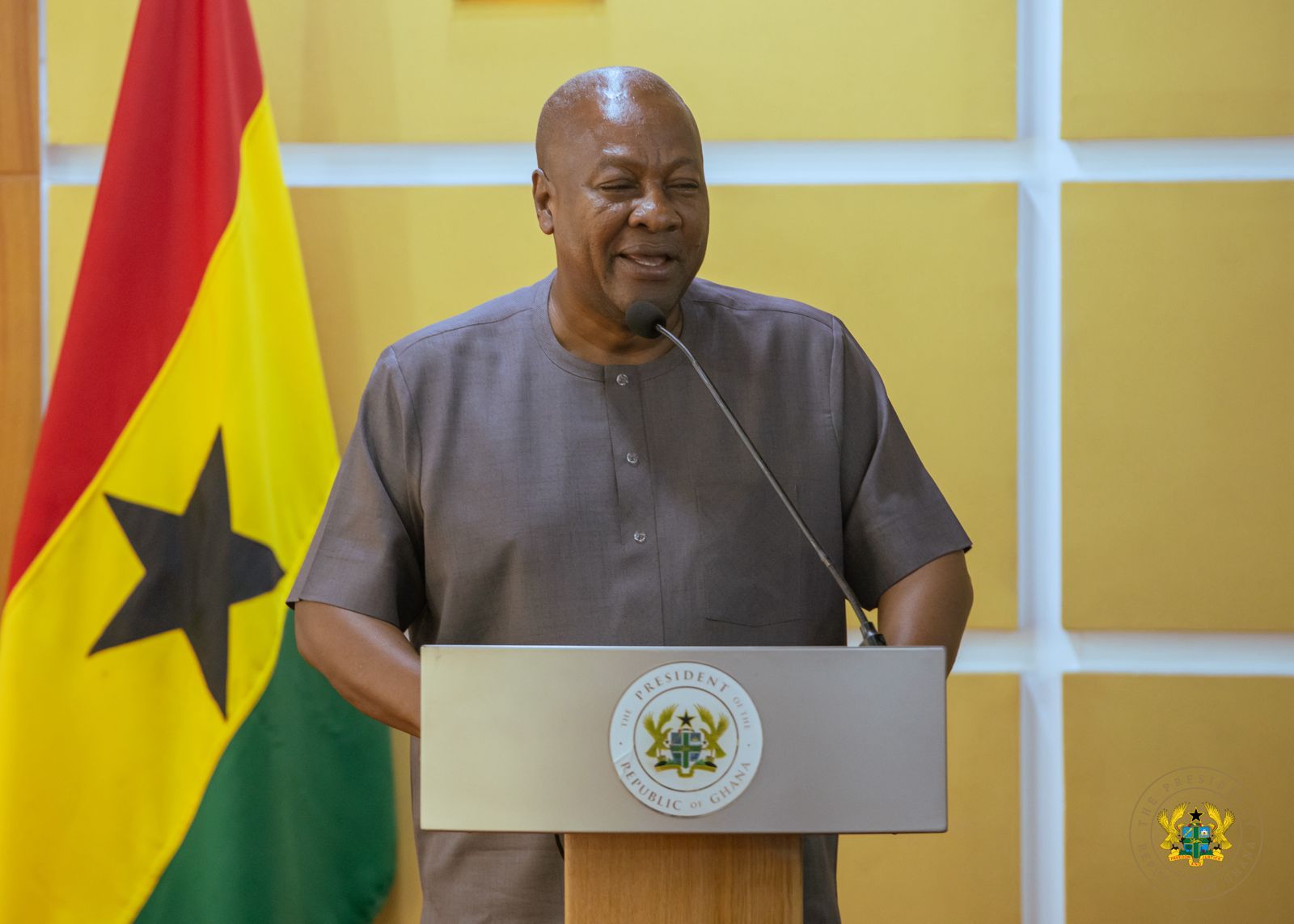
President John Mahama continues to record strong approval ratings, with 67% of voters endorsing his performance—a figure unchanged from the previous quarter. Approval cuts across all regions, though it remains highly partisan, with 93% approval among NDC supporters compared to 28% among NPP voters. Among floating voters, approval stands at 69%.
Economic performance appears to underpin public confidence. The 2026 budget presented by Finance Minister Dr. Cassiel Ato Baah Forson received approval from 66% of respondents, while 56% reported an improvement in their standard of living over the past year. Looking ahead, 70% of voters expect their living conditions to improve further in 2026.
On governance, perceptions of anti-corruption efforts have improved, with 60% saying the government is doing enough to tackle corruption. Similarly, 56% believe corruption levels are improving. Government efforts to combat illegal mining (galamsey) also appear to be gaining recognition, with 56% of voters saying enough is being done nationally.
The poll shows overwhelming support for constitutional reforms, including the direct election of MMDCEs (63%), barring MPs from holding ministerial positions (58%), extending the presidential term to five years (57%), lowering the presidential age requirement (55%), abolishing the death penalty (58%), and limiting campaign periods to 120 days (56%).
Demographic shifts are also reshaping Ghana’s political landscape. Voters under 44 years—Gen Z and Millennials—now make up nearly 78% of the electorate, with 64% of voters expressing a preference for younger leaders. Party affiliations continue to shift, with the NDC leading at 41%, the NPP declining to 26%, and floating voters rising to 19%.
Overall, the report depicts a country that is hopeful about its direction but increasingly eager for reform, accountability, and generational change as a youthful electorate takes center stage.

