



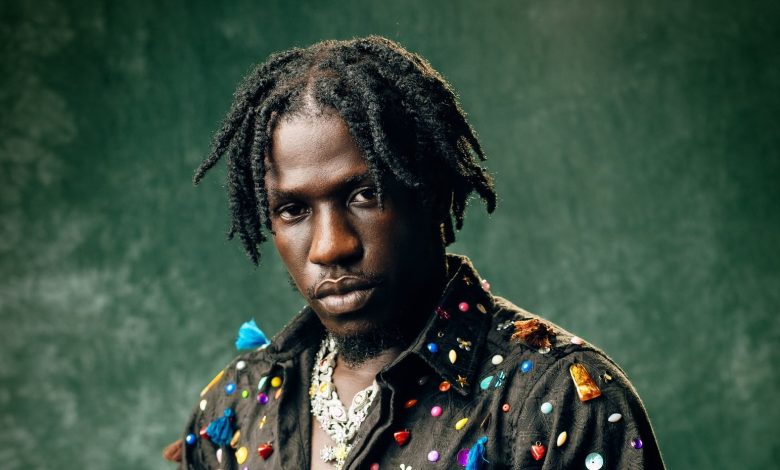
Ghanaian musician King Paluta has pushed back against recent claims by industry veteran Rex Omar regarding the financial plight of local artists, arguing that significant opportunities for wealth exist within the country’s music scene for those who are strategic and disciplined.
The debate was ignited when Rex Omar made statements suggesting that a majority of Ghanaian musicians face considerable economic hardship despite their public profile. While his comments resonated with many who acknowledge the industry’s challenges, King Paluta offered a contrasting perspective, insisting the reality is more complex.
In a recent rebuttal, King Paluta contended that financial struggles are not an inevitable part of a musician’s career. He pointed to artists who have achieved economic stability by treating their craft as a business. According to him, success hinges on an artist’s ability to invest in their brand, diversify income sources, and cultivate a strong connection with their fanbase.
“For those who are dedicated and manage their careers well, the opportunities are there,” Paluta stated. He highlighted revenue streams beyond traditional album sales, including live performances, lucrative endorsement deals, and the growing potential of digital streaming platforms. He stressed that a combination of creative talent and sharp business acumen is essential for navigating the modern music landscape.
Paluta emphasized that discipline, professionalism, and a strategic mindset are the cornerstones of a sustainable career. He encouraged aspiring musicians to look beyond the music and focus on the managerial and marketing aspects of their work to fully capitalize on available opportunities.
His comments have sparked fresh dialogue within the entertainment fraternity about the economic realities for creatives. Reactions on social media have been mixed; some users praised Paluta for his candid and encouraging outlook, while others maintained that systemic barriers and a lack of resources continue to hinder emerging artists.
Industry observers note that while the Ghanaian music industry has evolved rapidly, creating new income avenues through streaming, brand partnerships, and international bookings, a significant income disparity persists. This gap often reflects differences in artist management, marketing reach, and professional networks.
King Paluta’s stance serves as both a motivational message and a pragmatic checklist for up-and-coming musicians: talent alone is not enough. It underscores the growing need for comprehensive artist development, including financial literacy, mentorship, and robust support systems to help creatives navigate the business side of music and maximize their earning potential.
As the conversation continues, the debate highlights a crucial turning point for the industry, focusing on how to build sustainable careers for its creative talent.

