



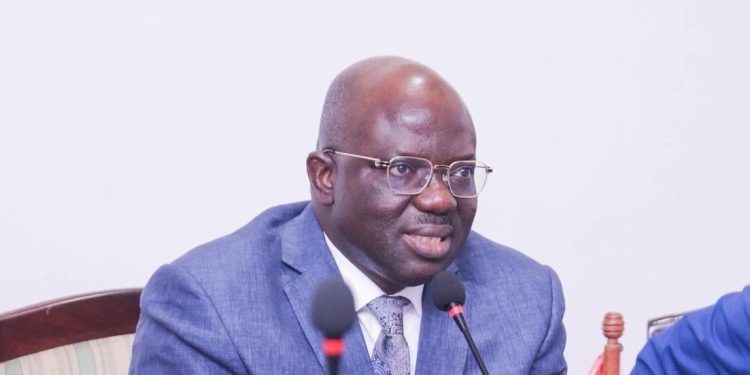
The Association of Ghana Industries (AGI) has called on the Electricity Company of Ghana (ECG) to implement reverse metering for solar power users, describing the current lack of such a system as a long-standing challenge that undermines the country’s renewable energy efforts.
Speaking to the media, AGI President Kofi Nsiah-Poku noted that as more businesses invest in solar energy, many are generating excess electricity but have no means to feed it back into the national grid.
“This gap undermines efforts to promote renewable energy and limits the full benefits of private sector investment in power generation,” he said.
Explaining the concept, Mr. Nsiah-Poku said reverse metering would allow consumers to supply surplus electricity to ECG and draw from the grid when needed, with a net balance calculated at the end of each billing cycle.
“This has been going on for a very long time. ECG either does not have a solution or they are not interested. The government is promoting solar, but it is not prepared to take back the power the industry is willing to contribute,” he stated.
He noted that reverse meters are standard practice in most countries, adding: “I don’t understand why Ghana is adamant to use reverse meters because if I have an excess I give to ECG, and if I am in need I take from ECG. Then at the end of the month a balance is struck and I pay my bill.”
Mr. Nsiah-Poku’s call comes amid growing investment in renewable energy by Ghanaian businesses. He stressed the need for policies that maximise the benefits of private sector-generated power while supporting national energy goals.

