



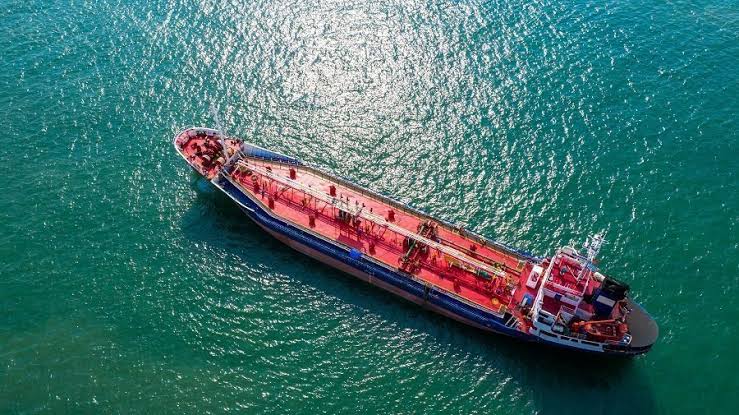
Marine insurers have begun canceling policies and are preparing to dramatically increase premiums for vessels operating in the Gulf and the Strait of Hormuz following the US and Israeli attack on Iran, according to industry brokers.
War risk insurers issued cancellation notices to ship owners on Saturday, with new coverage prices expected to rise by as much as 50% when trading resumes on Monday. The rapid action underscores the growing instability in one of the world’s most critical maritime chokepoints following Iran’s retaliatory strikes on US bases in the region.
The cost to insure a vessel for a single voyage through the Gulf is expected to jump from approximately 0.25% of the ship’s value to 0.375%. For a vessel valued at $100 million, this translates to a hike from $250,000 to $375,000 per trip.
“The unusual move to issue these notices before the start of the trading week highlights the pace of escalation,” said Dylan Mortimer, marine hull UK war leader at broker Marsh.
The surge in insurance costs is not limited to the Gulf. Premiums for ships calling at Israeli ports, previously around 0.1% of a vessel’s value, are also predicted to spike by up to 50% as underwriters brace for potential Iranian retaliation.
Underwriters’ primary concern is the possibility that Iran might attempt to close the Strait of Hormuz, through which approximately one-fifth of the world’s crude oil passes. There are also growing fears that Iranian proxies could attempt to board and seize commercial vessels in the region.
“If Israel and the US are continuing to strike Iran, it’s more likely that Iran will start trying to leverage their control via the manipulation of shipping in the region,” Mortimer added.
Brokers report that cargo war risk insurers, who cover the commodities like grain and oil aboard the tankers, are also preparing to cancel existing policies on Monday. In most cases, this is expected to lead to renegotiated coverage at the higher rates, rather than a complete denial of coverage.
The heightened risk is already causing disruption. On Saturday, at least three ships turned away from the Strait of Hormuz rather than transit the narrow waterway. According to EOS Risk, an advisory firm, some vessels in the area have also received radio warnings, purportedly from Iran’s Revolutionary Guard Corps, stating that the strait is closed to shipping.

