



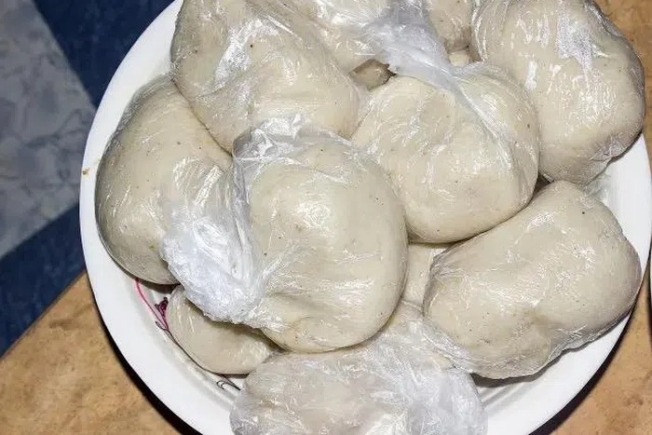
As households and food vendors increasingly turn to plastic wraps and bags for convenience, health experts are warning that covering boiling food with plastic or packaging hot meals in plastic bags poses significant health risks. The concern centers on the leaching of harmful chemicals into food when certain plastics are exposed to high temperatures.
Contrary to a common misconception, not all plastics are created equal when it comes to heat resistance. While each type of plastic has a distinct melting point—ranging from approximately 110°C (230°F) for polyethylene (PE) to 160°C (320°F) for polypropylene (PP)—experts caution that chemical migration can occur even before the plastic melts.
Polypropylene (PP) and polyethylene terephthalate (PET) are generally considered safe for food contact below 100°C (212°F). However, other plastics, such as polyvinyl chloride (PVC) and polystyrene (PS), may release toxic chemicals when heated, posing potential long-term health threats.
Debunking Dangerous Myths
Health advocates are working to correct two widespread misunderstandings:
- Myth: Any plastic labeled “food-grade” is safe for high-heat applications.
Fact: Food-grade does not automatically mean heat-resistant. Even food-grade plastics can leach chemicals if heated above their recommended temperature threshold. - Myth: If the plastic doesn’t visibly melt, it is safe to use with hot food.
Fact: Chemical leaching can occur at temperatures well below the plastic’s melting point, contaminating food without any visible sign of damage.
Public Advisory and Safer Alternatives
In response to these findings, public health officials are urging consumers to adopt the following best practices:
· Avoid using grocery bags or plastic wraps to package hot food, cover food while boiling, or reheat food in plastic bags.
· Check labels for temperature guidelines. Manufacturers are advised to clearly label products with statements such as “Safe up to 80°C (176°F)” or “Not for heating food above 50°C (122°F).”
· Never cover a boiling pot with a plastic bag. Instead, use stainless steel or glass lids.
The Way Forward
To reduce potential health risks, consumers are encouraged to choose alternative packaging materials that are safer and more durable. Recommended options include:
· Paper bags
· Cloth wraps
· Glass containers
· Stainless steel containers
By remaining mindful of the types of plastics used and how they are used, consumers can significantly reduce their exposure to potentially harmful chemicals. Health experts emphasize that making informed choices about food packaging and preparation is a simple but critical step toward safer food handling.

