



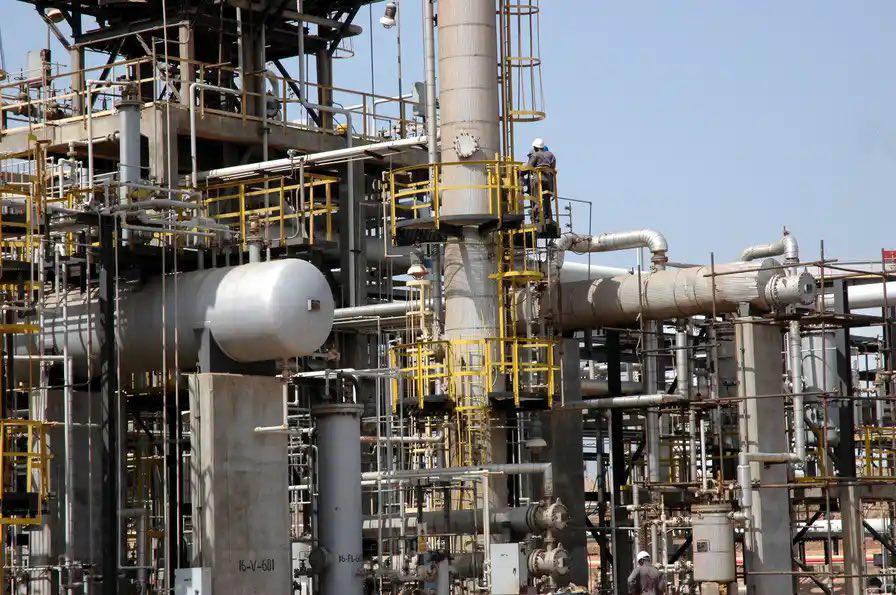
In a significant move to bolster domestic fuel production and reduce the country’s reliance on imports, the Tema Oil Refinery (TOR) has officially commenced expansion works aimed at increasing its processing capacity.
The project, which is currently underway, will see the refinery’s output jump from 28,000 barrels per day to 45,000 barrels per day. Central to this upgrade is the integration of a new F-61 processing unit into the refinery’s existing operational framework. This technological addition is expected to streamline production and improve overall efficiency at the facility.
Once completed, the expansion is poised to have a transformative impact on Ghana’s petroleum sector. By boosting local refining capability, the initiative is expected to significantly curb the nation’s expenditure on imported refined petroleum products, thereby preserving foreign exchange reserves. Industry analysts note that this move is a critical step toward strengthening the country’s energy security and insulating the local market from global supply chain shocks.
But the ambitions for TOR do not stop at 45,000 barrels per day. Long-term strategic plans are already in place to scale up production further to approximately 60,000 barrels per day. This long-range vision aims to position the refinery as a cornerstone of Ghana’s industrial development, ensuring it can keep pace with the nation’s growing energy demands for years to come.
Version 2: Business & Energy Sector Focus (For Financial/Industry Publication)
HEADLINE: TOR Unveils Expansion Plan to Hit 45,000 bpd, Targets Long-Term Production of 60,000 bpd
TEMA – The Tema Oil Refinery (TOR) has signaled a new chapter in its operational history with the kickoff of a strategic expansion project designed to ramp up its crude oil processing capacity.
The refinery is currently undertaking works to scale up production from 28,000 barrels per day (bpd) to 45,000 bpd. This capacity enhancement will be achieved through the integration of a new F-61 processing unit, a move that represents a tangible investment in the facility’s infrastructure and technical capabilities.
This upgrade is projected to have immediate economic implications for Ghana. By increasing the volume of locally refined products, TOR aims to displace a significant portion of imported finished petroleum products. This shift is expected to strengthen the local currency by reducing demand for foreign currency used for imports, while simultaneously reinforcing the nation’s energy supply chain against geopolitical and logistical disruptions.
Looking beyond the immediate upgrade, TOR has outlined a long-term roadmap targeting a production capacity of approximately 60,000 bpd. This sustained growth trajectory is designed to ensure that the refinery evolves in tandem with Ghana’s industrial sector, positioning it as a key driver of energy independence and economic resilience in the decades to come.

