



A landmark report by Ghana’s Constitutional Review Committee (CRC 2025) has ignited a national conversation about the fundamental direction of the country’s democracy, with critics highlighting internal contradictions and calling for greater alignment with Ghanaian culture and development goals.
The final report, titled “Transforming Ghana: From Electoral Democracy to Developmental Democracy,” was commissioned by President John Dramani Mahama in January 2025. While commended for its ambitious scope, the document is now facing scrutiny for what analysts describe as conceptual ambiguities that could undermine public trust and the government’s own RESET Agenda.
A central point of debate is the report’s treatment of democracy itself. Critics argue it fails to adequately reconcile the tension between multiparty electoral competition and the broader philosophy of democratic development. The report references past alternative governance models from the eras of Dr. Kwame Nkrumah and General I.K. Acheampong, which prioritized development, yet stops short of providing a clear new constitutional path.
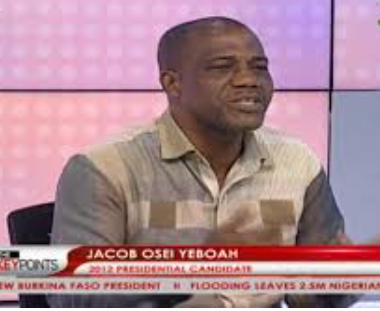
“The RESET Agenda demands clarity on whether Ghana prioritises democratic development or electoral competition as its primary objective,” stated commentator Jacob Osei Yeboah in a widely circulated analysis.
Further concerns center on social issues. Observers note the report struggles to balance constitutional freedoms with societal values, particularly following the overwhelming public passage of the 2024 LGBTQ Bill. Its ambiguous stance on defining marriage, sex, and the limits of religious practice is seen as a potential flashpoint that could jeopardize national consensus.
“In a society where cultural and religious values remain deeply rooted, ambiguity in such sensitive areas risks public rejection,” Yeboah’s analysis warned.
Key Recommendations and Criticisms
The CRC 2025 report contains several major proposals that are now under the microscope:
· Executive Power: A proposal to extend the presidential term from four to five years has been questioned as lacking strong justification, especially with existing national planning bodies.
· Parliamentary Reform: Recommendations to cap Parliament at 200 members and introduce proportional representation for key social groups have been welcomed by advocates for a leaner, more accountable legislature.
· Governance Continuity: The report’s push to constitutionally empower bodies like the National Development Planning Commission (NDPC) to ensure project continuity between governments has been highlighted as critical for long-term development.
· Local Governance: Strong endorsement has been given to the report’s call for the nonpartisan election of Metropolitan, Municipal, and District Chief Executives (MMDCEs).
A persistent criticism, however, is the report’s failure to definitively address a foundational flaw of the 1992 Constitution: the blurred line between the State and the Government. Critics argue that without this clear separation, excessive power remains concentrated in the political executive, weakening independent institutions.
To remedy this, analysts propose a clear constitutional separation of the roles of Attorney-General and Minister of Justice—a move they say would depoliticize prosecutions and boost public confidence.
As the nation digests the voluminous report, the call is for greater coherence and cultural sensitivity in the next steps of the reform process. The success of amending Ghana’s Fourth Republic, observers conclude, hinges on aligning the constitution with the nation’s developmental aspirations and the collective values of its people.

