



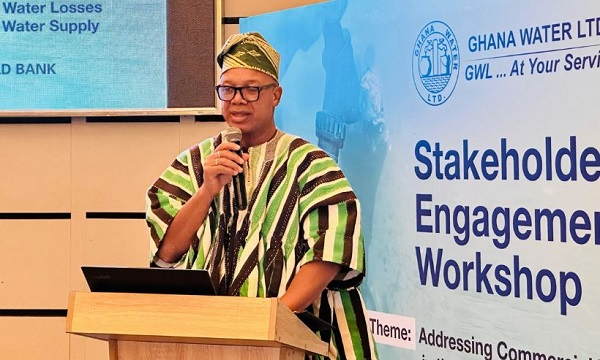
In a major push to stabilize its finances, Ghana Water Limited (GWL) has deployed 200 National Service personnel across the country to spearhead the recovery of outstanding debts totaling GH¢866 million.
The initiative, launched this week, is a critical component of the state-owned utility provider’s broader strategy to enhance revenue mobilization, ensure financial sustainability, and improve the quality of water service delivery nationwide.
GWL officials stated that the newly deployed personnel will operate in multiple regions, engaging directly with consumers to identify and settle overdue bills. Beyond mere collection, the teams are tasked with promoting the company’s digital payment platforms as part of a long-term plan to modernize revenue collection and reduce reliance on manual, cash-based systems.
A significant portion of the massive debt—owed by both public institutions and private consumers—has placed considerable strain on the company’s operations. Management noted that the accumulated arrears have hampered GWL’s ability to maintain aging infrastructure, expand treatment plants, and ensure reliable water supply to communities.
A Dual-Purpose Initiative: Revenue and Empowerment
The program is designed as a dual-purpose intervention. While the primary goal is financial recovery, it also serves as a practical empowerment scheme for young graduates.
“This is about more than just collecting money; it is about changing the culture of bill payment,” a company spokesperson explained. The personnel have been trained to conduct customer education on billing systems, payment procedures, and the convenience of digital channels like mobile money and online portals. GWL believes that by making it easier to pay and improving awareness, default rates will decrease organically.
For the graduates, the field experience offers valuable exposure to customer relations, public service operations, and digital systems management.
Analysts Applaud Strategic Shift
Industry analysts have welcomed the move, describing it as a strategic and necessary response to persistent revenue leakages within the utility sector. They note that improving collection efficiency is vital for utility companies in developing economies, where rising operational costs and increasing infrastructure demands require stable income streams.
Water sector experts added that effective debt recovery is directly linked to service sustainability. Consistent revenue allows GWL to reinvest in critical infrastructure, such as pipe replacements and water treatment upgrades, ensuring long-term reliability for consumers.
Calls for Transparency and Fairness
However, consumer advocacy groups have urged caution, calling for fairness and transparency throughout the exercise. They are calling on GWL to ensure billing systems are accurate, disputes are resolved promptly, and enforcement actions do not unfairly target vulnerable households.
In response, GWL has assured the public that the recovery exercise will be conducted ethically and professionally, with a focus on engagement and education rather than harassment.
“Our focus is on engagement and education, not coercion,” an official emphasized, adding that respect for customer rights and due process will remain paramount.
As the program rolls out nationwide, its success will depend heavily on public cooperation and the adoption of digital tools. If effectively implemented, this initiative could mark a turning point for Ghana Water Limited, signaling a shift toward greater accountability, digital integration, and operational efficiency in Ghana’s public utility sector.

