



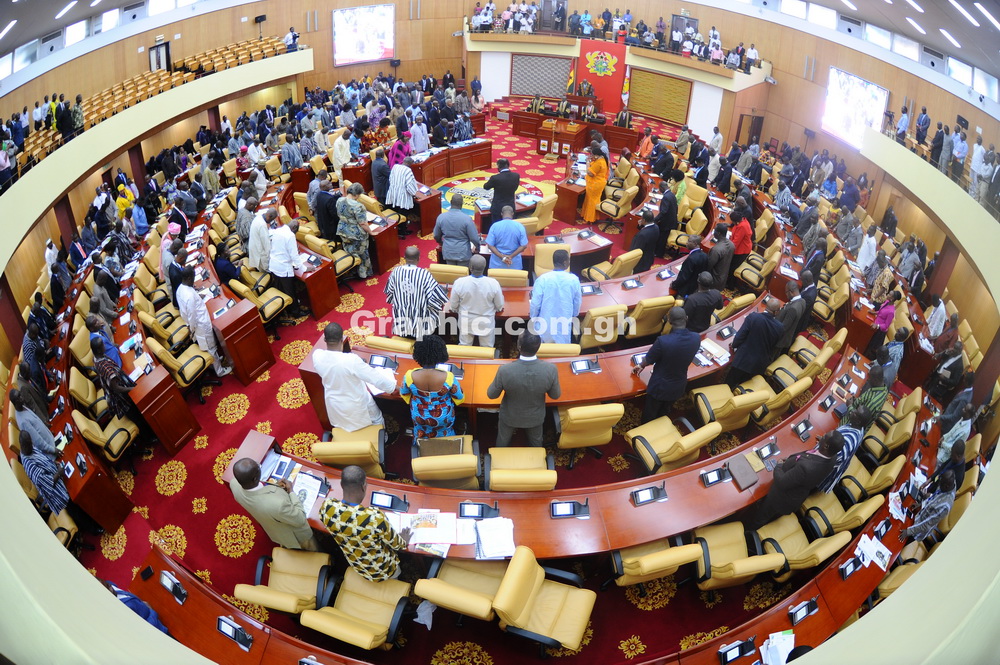
Two Members of Parliament have introduced a private members’ bill seeking to amend Ghana’s Constitution to bar anyone above 65 years from contesting parliamentary elections.
The proposed amendment targets Article 94 of the 1992 Constitution, which currently sets only a minimum age of 21 for candidates, with no upper limit.
Hajia Zuwera Ibrahimah, National Democratic Congress MP for Salaga South, and Ohene Kwame Frimpong, New Patriotic Party MP for Asante Akyem, are jointly sponsoring the bill.
According to the MPs, the reform is needed to align parliamentary eligibility with modern governance demands and the country’s demographic realities.
Modernising eligibility
In a memorandum accompanying the draft bill, the lawmakers argued that the duties of a legislator require sustained physical stamina, cognitive agility, and responsiveness to complex policy challenges such as digital transformation, climate change, and global economic integration.
“By introducing a reasonable maximum age requirement, Ghana will reinforce accountable governance while promoting intergenerational equity and sustainable political leadership,” they stated.
The bill was formally submitted to the Clerk of Parliament on March 10, 2026.
Youth representation and leadership renewal
The sponsors noted that a significant portion of Ghana’s population is under 35, and the age cap would create opportunities for younger leaders, improve generational balance, and enhance democratic legitimacy.
“This reform complements youth empowerment frameworks and national development strategies,” they said.
They also argued that periodic leadership renewal is essential for a healthy democracy. An age cap, they said, would discourage indefinite occupation of parliamentary seats while encouraging mentorship and structured succession planning.
The MPs pointed out that mandatory retirement ages already exist in other public institutions, including the civil service, the judiciary, and the security services. Aligning parliamentary eligibility with those norms, they said, would promote coherence in governance.
Expected impact
If passed, the amendment is expected to improve generational balance in Parliament, enhance legislative responsiveness, strengthen public confidence in democratic institutions, and institutionalise orderly leadership transitions.
The bill is now before Parliament and will require a referendum for constitutional amendments to be approved.

