



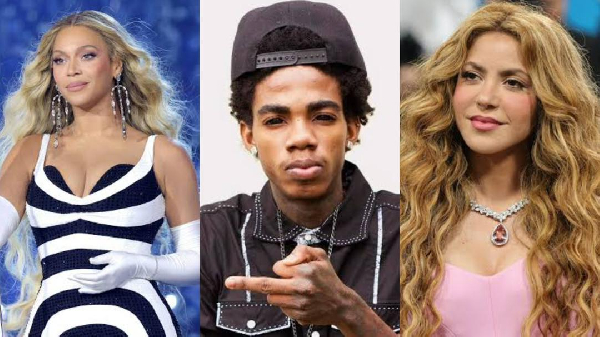
The phenomenon of music-related conspiracy theories shows no signs of fading, as recent discussions highlight two distinct cases where fan speculation has blurred the lines between reality and fiction. From global superstar Beyoncé to Jamaican dancehall artist Alkaline, these myths underscore the powerful role social media plays in shaping modern pop culture narratives.
One of the most persistent and sensational conspiracy theories in recent memory involves the iconic singer Beyoncé. For years, unsubstantiated rumours have circulated online alleging that the artist died and was secretly replaced by a body double. Despite a complete lack of credible evidence, the theory has repeatedly gained traction across social media platforms, sparking fervent debate among fans. The enduring myth serves as a case study in how celebrity culture, combined with the speed of digital communication, can fuel widespread speculation that persists even in the face of clear refutation.
In a separate vein of music folklore, Jamaican dancehall artist Alkaline recently found himself at the centre of a different kind of myth surrounding his personal style. Speculation erupted online regarding the supposed hidden or mystical significance of his eyeball tattoo. Social media users engaged in widespread discussion about the ink’s meaning, creating a narrative that the artist himself has never confirmed. The incident illustrates how personal expression, such as body art, can be magnified and reinterpreted by fans into elaborate stories that take on a life of their own.
Industry observers note that these myths are part of a long-standing tradition in music culture, from mysterious deaths to secret lives, that has been exponentially amplified by the digital age. In today’s environment, a single image or offhand comment can quickly spiral into a viral moment. For some artists, engaging with these myths can become a playful part of their public persona, while others are forced to navigate the challenges of rampant misinformation.
Ultimately, experts say these stories reflect the creativity and deep investment of fan culture. Whether examining the global superstardom of Beyoncé or the regional influence of Alkaline, the myths that surround musicians demonstrate that the narratives fans construct can often be as compelling and enduring as the music that inspired them.

